What Does It Mean to Have a Culture of Quality?

By: Matt Muller


Many companies sell Quality, but what does this really mean? For most, it means they are giving their customers a good product at a good price, thus something of high value. If you do an internet search for your favorite product or company, I bet most include some quote about quality. Do they have a quality program or a written quality process? It’s hard to say, but if the business is in the manufacturing industry, it’s a safe bet that they have some sort of robust quality program.

How do you think this quality program concept translates to design and construction? If you ask any design firm or construction company to define quality, I’m sure you will receive various definitions, but all will no doubt have a strong opinion of what makes their work or product “quality”.

This doesn’t necessarily mean that a company will have a page on their website dedicated to their quality measures, procedures, and program as a whole. However, if they do, is it more than a quality procedure manual or document that will only be utilized when a problem arises?


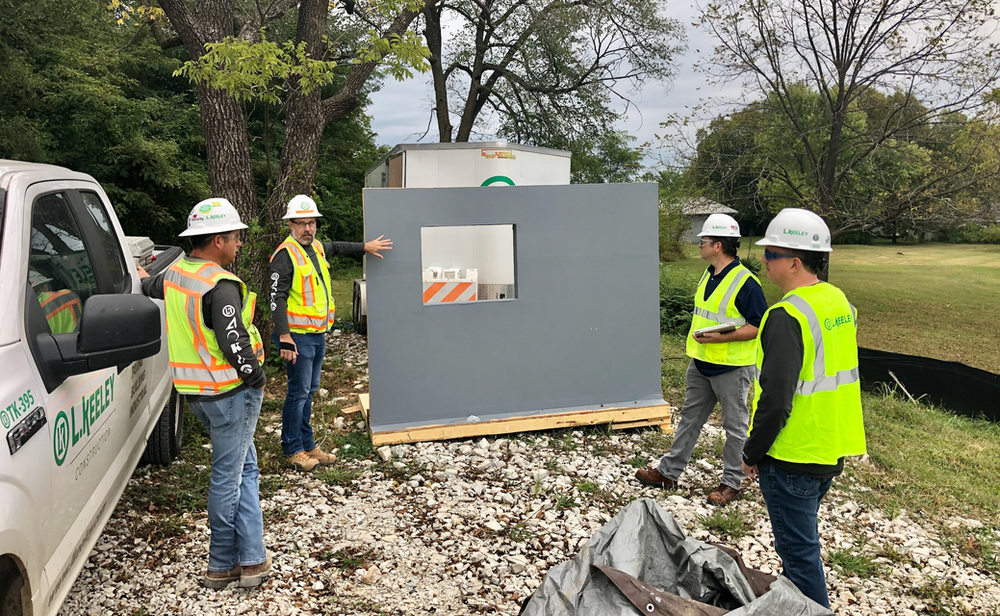
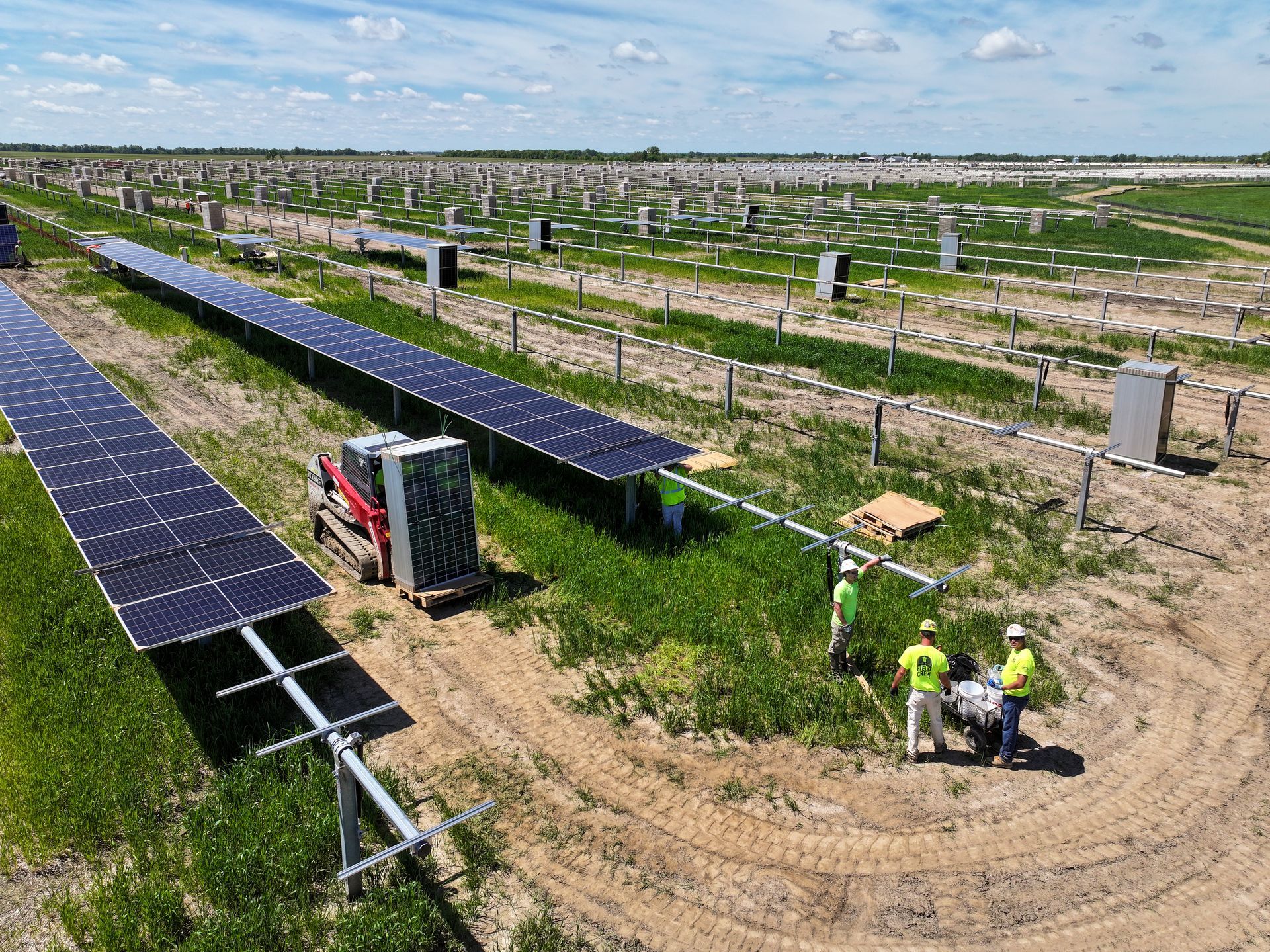
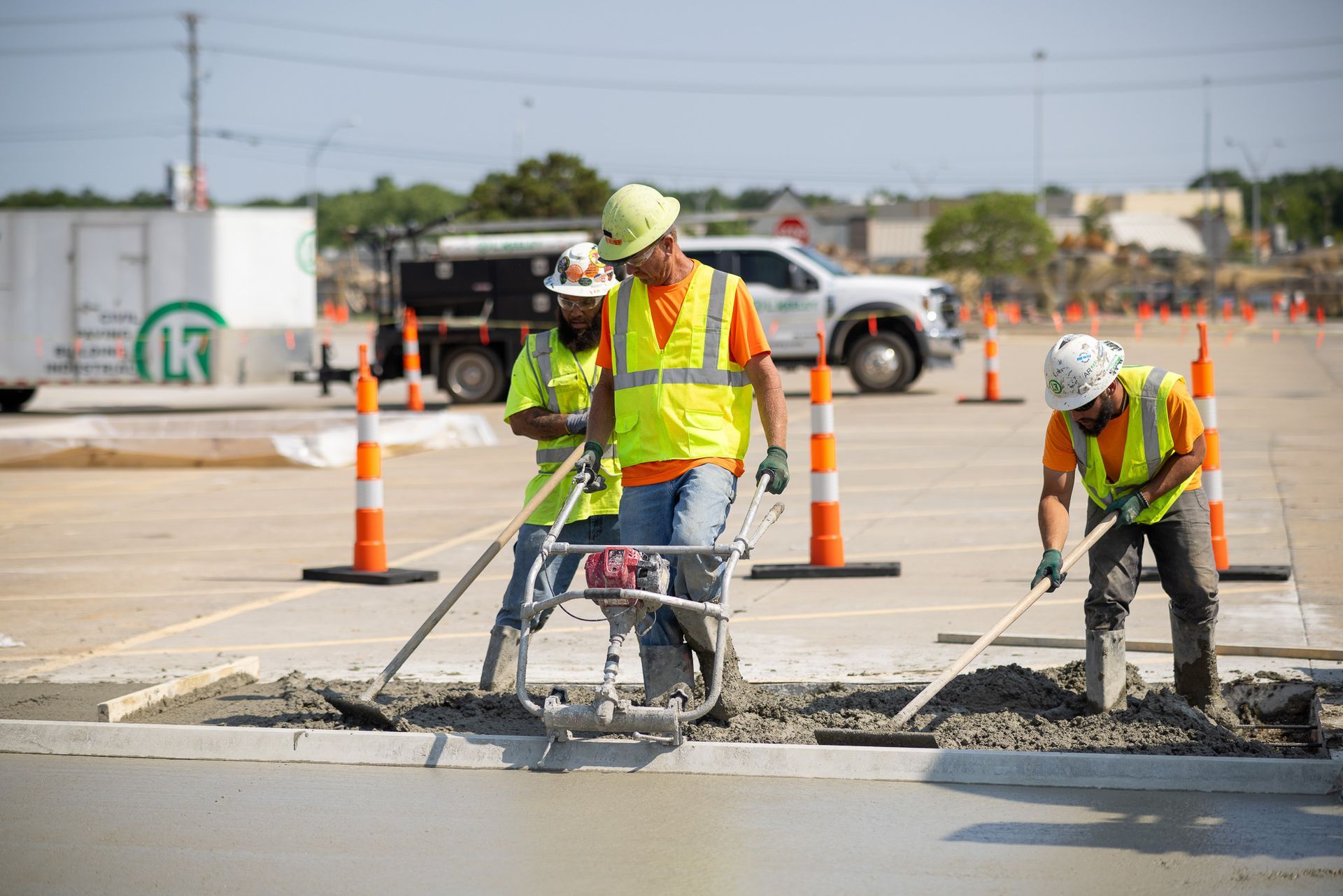
A group of construction workers are standing next to a truck.

While Quality is defined as “the degree of excellence” and “conformance to requirements”, the following quote may shed some light on the difference between a dedicated Quality program and a Culture of Quality:

“Quality is not an act; it is a habit”

– Aristotle

Culture is defined as a set of shared attitudes, values, goals, and practices. If the leaders of a company develop and foster a true culture of quality, by definition we can achieve the HABIT of QUALITY.

Habits drive business and Quality plays an important role in business from products and processes to the people doing the work themselves. Quality can be the very difference that determines whether something is a success or a failure. This is why it is so important for organizations to focus on Quality as a process, a program, and a habit, and not a static document or control plan.

L. Keeley is centered around the wise words of our founder, Larry Keeley:

“Quality and service never go out of style”.

The very core of our organization is based in a culture of customer service and quality, constantly exceeding expectations and providing the best products to our customers. Our Quality Management Program (QMP) at L. Keeley is based on the Plan-Do-Check-Act process and the Three Phases of Quality; Preparatory, Initial, and Follow-up. The LKC QMP was developed to be scalable for each of our Groups, no matter the size or scope of the project. We strive for continuous improvement and encourage everyone to participate in the ongoing development of our program. Quality is for Every Keeley’n, Every Action, Every Time!

Quality is never an accident and remember, Quality MATTters.

By Sofia Wojtal May 28, 2026
The body content of your post goes here. To edit this text, click on it and delete this default text and start typing your own or paste your own from a different source.
By Sofia Wojtal May 28, 2026
What Is Design-Build Construction? Design-build is a project delivery method where one entity is responsible for both design and construction services. The resulting design-build contractor benefits include unified accountability and clearer lines of communication. Instead of managing separate contracts for: Architects or engineers General contractors Multiple project teams Owners work with a single design-build team throughout the project lifecycle. These benefits of design build often outperform design-build vs design bid build alternatives that split responsibilities. This integrated structure encourages collaboration during planning, design, procurement, and construction, highlighting core design build advantages. How Design-Build Differs from Traditional Delivery In traditional design-bid-build delivery: The project is fully designed first Contractors bid the completed design Construction begins after award In a design-build model: Design and construction activities overlap Contractors provide input during design development Teams collaborate earlier in the process This shift can improve communication and reduce disconnects between design intent and construction execution. It underscores design-build vs design bid build differences and reinforces the benefits of design build for complex projects. Key Benefits of Using a Design-Build Contractor Improved Collaboration One of the biggest design build advantages is improved collaboration between teams. Because designers and builders work together from the beginning, projects often benefit from: Better communication Faster decision-making Shared project goals Earlier problem-solving Integrated collaboration can reduce inefficiencies that sometimes occur when design and construction teams operate separately, delivering clear design-build contractor benefits. Faster Project Schedules Design-build projects can often move more quickly than traditional delivery methods. Because design and construction phases overlap: Procurement may begin earlier Site work can start before final design completion Teams can address issues sooner This phased approach may help reduce overall project duration. In a design-build vs design bid build comparison, schedule compression is among the top benefits of design build. Better Cost Control Early contractor involvement allows construction teams to provide budgeting and constructability input during design development. This may help: Improve cost visibility Identify scope conflicts earlier Reduce redesign efforts Improve procurement planning While no delivery method eliminates cost risk entirely, design-build can help owners make more informed decisions earlier in the project lifecycle, reinforcing key design build advantages. Reduced Coordination Burden for Owners With a single point of responsibility, owners often experience simplified project coordination. Instead of managing multiple contracts and communication channels, owners work directly with one integrated team. These design-build contractor benefits can be especially valuable for technically complex efforts. This can help: Streamline communication Improve accountability Reduce administrative complexity Clarify project responsibilities Improved Constructability Contractors involved early in design can identify constructability concerns before construction begins. This may help teams: Optimize sequencing Improve site logistics Coordinate utility requirements Address material availability Reduce rework during construction These benefits of design build support smoother execution and highlight practical design-build contractor benefits. More Efficient Procurement Planning Long equipment lead times continue affecting many construction sectors, especially energy and infrastructure projects. Design-build teams may help: Identify procurement risks early Coordinate vendor schedules Phase construction activities more efficiently Improve material planning Early procurement coordination can help reduce schedule disruptions later, another example of design build advantages. Why Design-Build Continues to Grow As projects become more technically complex and schedule-driven, many owners are seeking delivery models that improve collaboration and reduce inefficiencies. Design-build continues gaining popularity because it aligns project teams earlier, streamlines communication, and creates a more integrated approach to project execution. For infrastructure, industrial, and utility projects in particular, the benefits of design build help owners navigate complexity while improving coordination from planning through completion. When comparing design-build vs design bid build, these cumulative design-build contractor benefits often tip the scale toward an integrated delivery model.
By Sofia Wojtal May 28, 2026
What Does SCADA Stand For? SCADA stands for: Supervisory Control and Data Acquisition SCADA systems are industrial control systems used to monitor, control, and automate infrastructure and operational processes. In water treatment facilities, SCADA systems allow operators to oversee large and complex treatment operations from centralized control systems, often integrated with PLC and SCADA water systems to coordinate field controls and supervisory functions. What Do SCADA Systems Do in Water Treatment Plants? SCADA systems collect real-time operational data from equipment throughout a facility and allow operators to monitor system performance. Water treatment SCADA systems commonly support: Process monitoring Equipment control Alarm management Data collection and reporting Remote system access Operational automation These systems help treatment facilities operate more efficiently while improving reliability and response times. Robust SCADA alarm management water plants rely on ensures issues are flagged quickly with actionable context. How SCADA Systems Work A SCADA system connects multiple pieces of treatment equipment and infrastructure into a centralized control network. Typical components include: Sensors and Field Devices Sensors gather real-time information such as: Flow rates Water levels Pressure Chemical dosing Pump status Water quality conditions Programmable Logic Controllers (PLCs) PLCs receive information from sensors and automatically control equipment based on programmed logic. Together, PLC and SCADA water systems coordinate local control with supervisory oversight. PLCs may operate: Pumps Valves Chemical feed systems Blowers Treatment equipment Human-Machine Interface (HMI) Operators use graphical control screens to monitor and manage plant operations. The HMI allows teams to: View alarms Adjust settings Monitor equipment performance Analyze operational trends Communication Networks SCADA systems transmit information between equipment, control rooms, and remote facilities using industrial communication networks. SCADA control systems for pump stations depend on reliable communications to coordinate starts, stops, and setpoints. Why SCADA Systems Matter in Water Treatment Water and wastewater treatment plants operate continuously and require reliable monitoring across large and complex systems. SCADA systems help utilities: Improve Operational Efficiency Automation can reduce manual adjustments and improve process consistency across SCADA systems for water treatment. Monitor Infrastructure in Real Time Operators can quickly identify: Equipment failures Process disruptions Flow changes Water quality concerns Support Regulatory Compliance SCADA systems often collect operational data needed for reporting and compliance documentation. Improve Response Times Alarm systems allow operators to react quickly to operational issues before they escalate, especially with well-designed SCADA alarm management water plants require for 24/7 operations. Manage Remote Facilities Utilities can monitor pump stations, storage facilities, and remote infrastructure from centralized locations using SCADA control systems for pump stations integrated into enterprise platforms. Common Applications of SCADA in Water and Wastewater Facilities SCADA systems are used throughout treatment and utility infrastructure. Examples include: Water Treatment Plants Chemical feed control Filtration monitoring Pump operations Reservoir management Wastewater Treatment Plants Aeration system control Clarifier monitoring Sludge processing systems Lift station monitoring Distribution and Collection Systems Water towers Pump stations Pressure zones Sewer lift stations Because utility systems often span large geographic areas, remote monitoring becomes especially valuable, and PLC and SCADA water systems streamline oversight across sites. SCADA and Infrastructure Modernization As utilities modernize aging infrastructure, SCADA systems often become a major part of facility upgrades. Modernization efforts may include: Replacing outdated controls Expanding automation Improving cybersecurity Integrating new treatment technologies Upgrading communication systems SCADA improvements can help utilities improve reliability and support long-term operational goals, especially in SCADA systems for water treatment and SCADA control systems for pump stations serving distributed assets. Construction and Integration Challenges Installing or upgrading SCADA systems often requires careful coordination within active treatment facilities. Common project challenges include: Maintaining Plant Operations Treatment facilities typically remain operational during upgrades. Integrating Legacy Equipment Older facilities may contain outdated systems requiring phased integration. Electrical and Communication Coordination SCADA systems rely heavily on electrical infrastructure and communication networks. Cybersecurity Requirements Utilities increasingly prioritize cybersecurity protection for operational technology systems. Experienced infrastructure and controls teams often help utilities minimize operational disruptions during implementation, while refining SCADA alarm management water plants need for resilient operations. Frequently Asked Questions Is SCADA only used in water treatment? No. SCADA systems are also widely used in power generation, manufacturing, oil and gas, transportation, and other industrial infrastructure sectors. What is the difference between SCADA and PLC systems? PLCs control specific equipment and processes, while SCADA systems provide centralized monitoring, data collection, and supervisory control across an entire facility. Together, PLC and SCADA water systems deliver end-to-end control from field devices to enterprise dashboards. Can SCADA systems automate water treatment plants? Yes. SCADA systems can automate many treatment processes while still allowing operators to monitor and manage facility operations, particularly in SCADA control systems for pump stations that coordinate demand and storage. Supporting Smarter Water Infrastructure SCADA systems have become an essential part of modern water and wastewater infrastructure. As treatment facilities continue evolving, utilities increasingly rely on automation, real-time monitoring, and integrated control systems to improve reliability, efficiency, and operational performance.  Successful SCADA implementation depends on careful planning, system integration, and experienced teams capable of coordinating controls, electrical infrastructure, and operational requirements within active treatment environments, ensuring SCADA systems for water treatment are robust and scalable.
By Sofia Wojtal May 28, 2026
What Is a Wastewater Treatment Plant? A wastewater treatment plant is a facility designed to remove contaminants from used water before it is returned to the environment or reused. Wastewater may come from: Homes Businesses Industrial facilities Stormwater systems Municipal sewer systems Treatment plants help remove: Solids Organic material Nutrients Bacteria and pathogens Chemicals and pollutants The goal is to protect both public health and natural ecosystems by using core wastewater treatment plant components efficiently. Step 1: Collection and Influent Flow The treatment process begins when wastewater travels through underground sewer systems and enters the treatment facility. This overview of how wastewater treatment plants work starts with reliable conveyance. This incoming wastewater is commonly called influent . Influent may contain: Organic waste Trash and debris Sand and grit Oils and grease Chemicals and nutrients Before treatment begins, plants must manage large fluctuations in flow caused by weather events, industrial activity, and population demand. Step 2: Screening and Preliminary Treatment The first treatment stage removes large debris and materials that could damage equipment. This process often includes: Bar screens Mechanical screening systems Grit removal chambers Grease removal systems Preliminary treatment helps protect pumps, pipes, and downstream wastewater treatment plant components from excessive wear or blockage. Step 3: Primary Treatment After screening, wastewater enters large settling tanks known as primary clarifiers . During primary treatment: Heavier solids settle to the bottom Oils and grease rise to the surface Mechanical equipment removes collected material The settled material becomes primary sludge , which moves to later processing stages. Primary treatment removes a significant portion of suspended solids before biological treatment begins and is key to how does a wastewater treatment plant work efficiently. Step 4: Secondary (Biological) Treatment Secondary treatment is often the most important phase of the wastewater treatment process. During this stage, microorganisms break down dissolved organic material in the wastewater. Common biological treatment systems include: Activated sludge systems Aeration basins Trickling filters Biological nutrient removal systems How Biological Treatment Works Air is introduced into aeration tanks to support the growth of beneficial microorganisms. These microorganisms consume organic contaminants and help clean the water naturally. After biological treatment, the water typically flows into secondary clarifiers , where microorganisms settle out before additional treatment occurs. This step further demonstrates how does sewage treatment work within integrated processes. Step 5: Nutrient Removal and Advanced Treatment Some facilities include advanced treatment systems designed to remove nutrients and additional contaminants. Advanced treatment may target: Nitrogen Phosphorus Fine suspended solids Emerging contaminants Additional processes may include: Filtration systems Membrane technologies Chemical treatment systems Advanced biological processes Nutrient removal has become increasingly important as environmental regulations continue evolving and is central to how does a sewage treatment plant work to protect waterways. Step 6: Disinfection Before treated water is discharged or reused, facilities disinfect the effluent to reduce pathogens and microorganisms. Common disinfection methods include: Chlorine disinfection Ultraviolet (UV) systems Ozone treatment Disinfection helps ensure treated water meets environmental and public health standards and underscores how does a wastewater treatment plant work to safeguard communities. Step 7: Effluent Discharge or Reuse Once treatment is complete, the cleaned water—known as effluent —is released into rivers, lakes, or other receiving waters. In some cases, treated water may be reused for: Irrigation Industrial processes Cooling systems Water reuse programs Water reuse infrastructure continues to expand in many growing regions and forms part of how wastewater treatment plants work sustainably. What Happens to the Sludge? The solids removed during treatment become sludge or biosolids that require additional processing. Sludge treatment may include: Thickening Digestion Dewatering Drying Disposal or beneficial reuse Some facilities also produce renewable energy through anaerobic digestion and renewable natural gas systems. Common Infrastructure Inside a Wastewater Treatment Plant Wastewater facilities often include: Pump stations Clarifiers Aeration basins Chemical feed systems Electrical infrastructure Control buildings Pipelines and underground utilities Because these systems operate continuously, construction and upgrades often require careful phasing to maintain plant operations and coordinate wastewater treatment plant components. Challenges in Wastewater Treatment Plant Construction and Upgrades Modernization and expansion projects often involve unique infrastructure challenges. Aging Infrastructure Many facilities require upgrades to meet growing demand and evolving regulations. Operational Continuity Treatment plants must remain operational during construction activities. Utility and Process Coordination Projects frequently involve complex mechanical, electrical, and process systems working simultaneously. Regulatory Compliance Facilities must meet strict environmental and discharge standards. Experienced infrastructure teams often help utilities minimize disruptions while improving long-term system reliability. Frequently Asked Questions Where does wastewater go after treatment? Treated water is typically discharged into rivers, lakes, or reused for non-potable applications depending on facility capabilities and regulations. Do wastewater treatment plants remove all contaminants? Treatment plants remove many contaminants, but treatment levels vary depending on facility design, regulations, and treatment technology. Why do wastewater plants smell? Odors are often caused by organic material and biological treatment processes, though facilities commonly use odor control systems to minimize impacts. Supporting Communities Through Critical Infrastructure Wastewater treatment plants operate behind the scenes, but they play a vital role in protecting public health, supporting economic development, and maintaining environmental quality. As communities continue growing, utilities are investing in modern treatment technologies and infrastructure improvements to meet future demand. Understanding how wastewater treatment plants work highlights the complexity and importance of the infrastructure systems communities rely on every day and clarifies how does sewage treatment work in practice across key wastewater treatment plant components.
By Sofia Wojtal May 28, 2026
What Is Water Disinfection? Water disinfection eliminates or inactivates harmful microorganisms before treated water enters the public distribution system. Disinfection systems help control: Bacteria Viruses Protozoa Other pathogens that may affect public health Facilities often use multiple treatment barriers to improve water quality and regulatory compliance, including UV systems integrated with filtration such as water filtration uv systems and uv water filter systems. What Is UV Disinfection? Ultraviolet disinfection uses UV light to inactivate microorganisms by damaging their DNA/RNA and preventing reproduction. UV systems are commonly installed near the end of treatment before distribution. How UV Disinfection Works UV reactor chambers UV lamps Monitoring and control systems Electrical infrastructure Flow control systems As water passes through the reactor, UV light inactivates microbes. UV does not add chemicals and does not form regulated disinfection by-products. It is highly effective against chlorine-resistant organisms such as Cryptosporidium and Giardia, and reliably inactivates many bacteria and viruses when properly validated and dosed. Modern ultraviolet water disinfection systems are often paired with uv water filter systems to ensure clarity and dose delivery. Advantages and Considerations for UV No chemicals added; no taste or odor impacts Targets chlorine-resistant protozoa; broad efficacy for bacteria and many viruses Compact footprint and rapid on/off control Requires power quality, lamp maintenance, sleeve cleaning, and upstream turbidity control UV provides no lasting residual in the distribution system, so a secondary disinfectant (e.g., chlorine or chloramine) is typically maintained. In many public facilities, water filtration uv systems help stabilize UV transmittance, improving performance of ultraviolet water disinfection systems. What Is Ozone Disinfection? Ozone (O₃) is a powerful oxidant generated onsite and injected into water. Beyond disinfection, ozone can oxidize iron, manganese, sulfides, taste-and-odor compounds, and some micropollutants, improving overall treatment performance. How Ozone Treatment Works Ozone generators and oxygen supply Contactors for mass transfer Off-gas destruct systems Process piping, controls, and safety systems Ozone reacts with microorganisms and contaminants during contact, then decomposes to oxygen. It can brighten color, improve taste and odor, and support advanced oxidation when combined with hydrogen peroxide or UV. Many plants install ozone generators for water treatment to address multiple aesthetic and regulatory goals concurrently. Advantages and Considerations for Ozone Strong oxidation and broad-spectrum disinfection Improves taste and odor; reduces color Enhances coagulation and downstream filtration Higher capital and energy needs; requires oxygen supply and off-gas handling Ozone does not leave a distribution residual and can form disinfection by-products such as bromate in bromide-containing waters if not carefully controlled. Process optimization manages by-product formation while delivering aesthetic benefits, and properly sized ozone generators for water treatment help match dose to water quality. UV vs. Ozone: How They Compare Pathogen control: UV excels at inactivating Cryptosporidium and Giardia and effectively treats many bacteria and viruses; ozone is also a powerful disinfectant but is often selected for its broader oxidation benefits. Taste, odor, and by-products: UV has no taste/odor impact and forms no regulated DBPs; ozone can significantly improve taste and odor but may form bromate without proper control. Infrastructure: UV is compact with electrical focus; ozone needs generators, oxygen, contactors, and off-gas destruct. Operations: UV requires lamp/sleeve maintenance and clear water; ozone requires gas safety, feed control, and monitoring. Can UV and Ozone Be Used Together? Yes. Many facilities combine ozone for oxidation and aesthetic improvements with UV for robust pathogen inactivation, often alongside filtration and a secondary disinfectant for distribution residual. UV/ozone can also be paired in advanced oxidation processes for targeted contaminant removal, a common strategy in UV and ozone disinfection for public water systems. Key Selection Factors Regulatory requirements and validated pathogen credits Source water quality (turbidity, organics, bromide, taste/odor) Existing footprint, power, oxygen supply, and constructability Lifecycle costs, energy use, maintenance, and operator training Construction phasing to maintain continuous plant operations Supporting the Future of Water Infrastructure As treatment goals evolve, both UV and ozone are vital tools. UV offers chemical-free, reliable pathogen inactivation, especially for protozoa, and is strengthened by uv water filter systems that stabilize water quality. Ozone enhances overall water quality, improves taste and odor, and supports advanced oxidation, with careful management of by-products through right-sized ozone generators for water treatment. Selecting, integrating, or combining these approaches requires coordinated planning and validated design so ultraviolet water disinfection systems and water filtration uv systems work seamlessly as part of UV and ozone disinfection for public water systems.
By Sofia Wojtal May 27, 2026
What Is a Turnkey BESS Construction Project? A turnkey Battery Energy Storage System project typically includes engineering, procurement, construction, integration, testing, and commissioning delivered under a single contract structure. Turnkey BESS services may include: Site development and civil work Battery container installation Power Conversion Systems (PCS) Electrical infrastructure Transformers and substations Utility interconnections Energy Management Systems (EMS) Fire protection systems Testing and commissioning Turnkey delivery models are often used to improve coordination and simplify project management across multiple scopes. Average Pricing for Turnkey BESS Construction Utility-scale BESS pricing is commonly measured in dollars per kilowatt-hour ($/kWh) of installed storage capacity and often referenced against 4 hour BESS cost per kWh benchmarks for planning. Recent industry estimates suggest: Utility-scale turnkey BESS systems often range between approximately $100–$380 per kWh installed , depending on project size, duration, and market conditions. Some large utility-scale projects may achieve pricing near the lower end of that range due to economies of scale. Commercial and industrial projects are often priced higher due to smaller system sizes and site-specific requirements. For example: A 100 MW / 400 MWh utility-scale BESS facility could represent tens of millions of dollars in total EPC investment depending on project configuration and infrastructure requirements. Because markets shift, contractors provide project-specific turnkey BESS construction pricing to reflect technology selection, BESS civil and electrical costs, and BESS construction lead times and costs unique to each site. What Impacts Turnkey BESS Construction Pricing? Several variables can significantly affect project cost, including line items that drive BESS civil and electrical costs and the schedule pressures tied to BESS construction lead times and costs. System Size and Storage Duration Larger projects may achieve lower per-kWh pricing due to economies of scale. Pricing often varies based on: MW capacity Storage duration (2-hour, 4-hour, 8-hour systems) Battery chemistry Redundancy requirements Longer-duration systems generally require more battery capacity and supporting infrastructure, which can shift 4 hour BESS cost per kWh relative to other durations. Battery Technology Battery chemistry can influence both upfront cost and long-term performance. Common technologies include: Lithium Iron Phosphate (LFP) Nickel Manganese Cobalt (NMC) Flow battery systems Emerging long-duration storage technologies Technology selection affects safety systems, thermal management, lifecycle expectations, and procurement timelines, all of which can alter turnkey BESS construction pricing. Electrical Infrastructure Requirements Electrical scope frequently becomes one of the largest cost drivers in BESS projects. Infrastructure requirements may include: Substations Transformers Medium-voltage systems Transmission interconnections Utility upgrades Protection and control systems Projects with complex interconnection requirements often involve higher construction and engineering costs, raising BESS civil and electrical costs and extending BESS construction lead times and costs. Civil and Site Development Site conditions can significantly affect installation costs. Common site-related cost drivers include: Earthwork and grading Poor soil conditions Drainage infrastructure Floodplain mitigation Access roads Foundation systems Remote or undeveloped sites may require additional infrastructure investment, increasing BESS civil and electrical costs and impacting turnkey BESS construction pricing. Fire Protection and Safety Systems Battery storage facilities require extensive safety planning and code compliance. Projects may include: Fire suppression systems Thermal management systems Gas detection Emergency access planning Separation distances As regulations evolve, safety systems continue to play a larger role in project design and pricing. What Is Typically Included in Turnkey BESS EPC Services? Turnkey EPC contractors often provide integrated project delivery across multiple phases. Typical services may include: Engineering Site layout and design Electrical engineering Utility coordination Civil and structural engineering Procurement Battery systems PCS equipment Transformers Switchgear Control systems Construction Civil/site development Electrical installation Equipment placement Utility infrastructure Commissioning Testing and startup Utility energization support System integration Performance verification Integrated delivery models can help streamline coordination between engineering and construction teams and clarify BESS construction lead times and costs within a single schedule. Common Challenges That Affect BESS Project Costs Equipment Procurement Delays Battery systems, transformers, and switchgear may involve extended lead times that directly impact BESS construction lead times and costs. Utility Coordination Interconnection studies and utility approvals frequently affect schedules and budgets. Evolving Regulations Battery storage codes and permitting requirements continue to develop across jurisdictions. Supply Chain Volatility Global demand for battery technologies can affect pricing and availability, influencing turnkey BESS construction pricing and the 4 hour BESS cost per kWh achievable at contract award. Early contractor involvement can help identify these risks before construction begins. Frequently Asked Questions How are turnkey BESS projects priced? Most utility-scale projects are priced based on installed cost per kilowatt-hour ($/kWh) or total EPC project cost, with many owners referencing turnkey BESS construction pricing against duration-specific benchmarks like 4 hour BESS cost per kWh. What is included in turnkey BESS construction? Turnkey delivery often includes engineering, procurement, civil work, electrical infrastructure, battery installation, testing, and commissioning—consolidating BESS civil and electrical costs in one EPC scope. Why do BESS project costs vary so much? Pricing depends on system size, storage duration, electrical infrastructure, site conditions, battery technology, and permitting requirements, as well as BESS construction lead times and costs driven by market and utility factors. Building Successful Battery Storage Projects As energy storage demand continues to grow, turnkey BESS delivery models are becoming increasingly common for utility-scale and industrial energy projects. While battery pricing often receives the most attention, successful projects depend on much more than equipment costs alone. Civil infrastructure, electrical systems, utility coordination, procurement planning, and safety integration all play a major role in total project cost and long-term operational success. Clear visibility into turnkey BESS construction pricing, realistic assumptions for BESS construction lead times and costs, and accurate accounting of BESS civil and electrical costs help set achievable budgets and timelines. Organizations that prioritize early planning and experienced infrastructure partners can often create a smoother path from development through commissioning.
By Sofia Wojtal May 27, 2026
What Is a Renewable Natural Gas Plant? A renewable natural gas plant captures methane-rich biogas from organic waste sources and upgrades it into pipeline-quality natural gas. Successful renewable natural gas plant construction depends on integrating process systems, utilities, and civil works from day one. Common feedstock sources include: Landfills Agricultural waste Wastewater treatment facilities Food processing waste Anaerobic digesters Once processed, RNG can be injected into natural gas pipelines or used for transportation fuel and industrial applications. Because these facilities combine utility infrastructure, industrial process systems, and environmental coordination, renewable natural gas plant construction requires specialized expertise. Why Contractor Selection Matters in RNG Construction Renewable natural gas facilities involve multiple disciplines working simultaneously across highly technical environments. The right partner understands RNG electrical and utility coordination as well as RNG facility site development to keep scopes aligned. Projects may include: Site development and civil work Utility coordination Process piping systems Mechanical installation Electrical infrastructure Compression systems Control systems Environmental compliance requirements A contractor with integrated infrastructure and industrial experience can help reduce coordination gaps, manage RNG electrical and utility coordination, and improve project execution. What to Look for When Hiring an RNG Construction Firm Industrial and Energy Infrastructure Experience RNG plants operate similarly to many industrial processing facilities and utility infrastructure projects. Firms with renewable natural gas plant construction experience can better anticipate interface points. Owners often evaluate firms based on experience with: Industrial process facilities Utility infrastructure Energy and gas systems Mechanical process installation Electrical infrastructure Renewable energy projects Construction teams familiar with complex industrial environments may be better equipped to manage project risks and technical coordination. Civil and Site Development Capabilities Before major equipment installation begins, RNG projects often require substantial site preparation. Strong RNG facility site development and RNG plant civil construction capabilities set the stage for success. Key capabilities may include: Earthwork and grading Drainage systems Concrete foundations Underground utilities Access roads Site stabilization Experienced teams in RNG plant civil construction can help create more efficient project sequencing and site logistics. Mechanical and Process System Expertise Renewable natural gas facilities rely heavily on process equipment and piping systems. Coordinating these scopes with renewable natural gas plant construction milestones prevents clashes and rework. Construction scopes frequently involve: Gas collection systems Compression systems Process piping Upgrading equipment Mechanical integration Utility tie-ins Mechanical coordination becomes critical as systems become more interconnected. Electrical and Utility Coordination Many RNG facilities require substantial electrical infrastructure and utility coordination. Proven RNG electrical and utility coordination keeps interconnections, substations, and controls aligned with schedule. Projects may include: Electrical distribution systems Substations Utility interconnections Backup power systems Controls and automation Early coordination with utility providers can help reduce delays during later project phases and support RNG electrical and utility coordination requirements. Safety Performance Industrial energy projects often involve active operations, heavy equipment, energized systems, and specialized process environments. Strong contractors typically prioritize: Comprehensive safety programs Industrial safety experience Workforce training Site-specific safety planning Operational coordination procedures Safety performance frequently reflects broader project discipline and operational reliability. Questions to Ask Before Hiring an RNG Construction Firm Have you built renewable natural gas facilities before? Direct RNG experience can provide valuable insight into constructability, scheduling, and infrastructure coordination, including RNG facility site development. What similar industrial or energy projects have you completed? Adjacent experience in industrial processing, utilities, or energy infrastructure may also be highly relevant to renewable natural gas plant construction. Can your team support self-perform work? Self-perform capabilities may improve coordination and schedule flexibility for critical scopes such as RNG plant civil construction. How do you manage long-lead equipment procurement? RNG projects often involve specialized equipment with extended manufacturing timelines. What project delivery methods do you support? Depending on project goals, firms may offer: EPC delivery Design-build services Construction management General contracting Selecting the right delivery model early can improve project alignment.  Why Early Contractor Involvement Can Improve RNG Projects Bringing construction teams into the project during planning and design phases can create value long before groundbreaking begins. Early contractor involvement may help: Improve cost certainty Identify constructability challenges Optimize scheduling Support procurement planning Coordinate utility requirements Reduce rework during construction Integrated collaboration often leads to more predictable project execution and smoother RNG facility site development. Common Challenges in Renewable Natural Gas Construction Permitting and Environmental Coordination RNG projects frequently involve multiple agencies and environmental requirements. Utility Coordination Electrical infrastructure and pipeline interconnections may affect schedules and require disciplined RNG electrical and utility coordination. Equipment Procurement Specialized processing equipment may require long lead times. Site Constraints Many RNG facilities are constructed within active industrial, landfill, or agricultural environments. Experienced infrastructure teams can help navigate these challenges more effectively through rigorous RNG plant civil construction planning. Frequently Asked Questions Who builds renewable natural gas plants? RNG facilities are commonly built by industrial contractors, EPC firms, utility infrastructure companies, and energy construction specialists with renewable natural gas plant construction expertise. What experience matters most for RNG construction? Industrial process experience, utility infrastructure expertise, safety performance, and coordination capabilities, especially RNG electrical and utility coordination and RNG facility site development, are often key evaluation factors. Are RNG facilities considered industrial projects? Yes. RNG plants typically involve industrial process systems, utilities, environmental controls, and complex mechanical infrastructure. Building the Future of Renewable Energy Infrastructure As renewable natural gas development continues to grow, selecting the right construction partner becomes increasingly important. Successful RNG projects often depend on early planning, integrated delivery, and experienced teams capable of managing the complexities of industrial energy infrastructure. For organizations pursuing RNG investments, hiring a firm with strong infrastructure, utility, and industrial construction expertise, spanning renewable natural gas plant construction, RNG electrical and utility coordination, RNG facility site development, and RNG plant civil construction—can help create a stronger path from development through operation.
By Sofia Wojtal May 27, 2026
What Is Included in a Substation Foundation Scope? Substation foundations provide structural stability for energized equipment and site infrastructure. Typical scope may include: Transformer, breaker, switch, and steel structure foundations Control building foundations and equipment pads Cable trench systems and electrical grounding/ground grid Drilled piers, spread footings, or mat foundations Civil site preparation and underground utility coordination What Influences the Cost of Building a Substation (and Its Foundation)? Soil and Geotechnical Conditions Expansive clays, high groundwater, low bearing capacity, rock excavation, and settlement risks can necessitate deeper foundations, more concrete/steel, and specialized designs. Early geotechnical investigations reduce uncertainty and can refine the cost of foundation repair Texas comparisons sometimes used as a high-level proxy for soil-related risks. Voltage Level and Equipment Size Higher voltages and larger equipment increase foundation sizes and quantities. Distribution substations are generally smaller than transmission or utility-scale interconnection facilities. A 345 kV substation typically has larger, more complex foundations and higher overall costs. Site Location and Accessibility Remote sites, coastal exposure, floodplain constraints, access roads, and oversize equipment logistics affect labor, schedule, and civil costs. Drainage and Stormwater Requirements Texas rainfall and flood risks often require grading, detention/retention, erosion control, and elevated pads, influencing site preparation budgets. Foundation Type and Design Drilled piers, spread footings, mats, piles, and reinforced pads vary in material quantities, labor needs, and installation time. Design choices are driven by loads and soils, shaping the substation foundation cost Texas conversation from early estimates through final quotes. Typical Cost Ranges and Acreage Needs Exact pricing varies by scope, but general planning ranges are: Small distribution substation foundations: several hundred thousand dollars; total substation EPC costs often in the low to mid millions. Medium transmission or collector facilities: foundation scopes in the low millions; total substation costs often in the $10–$30+ million range. Large transmission (e.g., 345 kV) substations: foundation scopes can reach multiple millions; total substation costs commonly range from roughly $20–$60+ million depending on site, equipment, and interconnection complexity. Acreage depends on voltage and layout. Many distribution substations fit on ~1–3 acres, while transmission and 345 kV sites often require ~5–15 acres or more to accommodate clearances, access, and drainage. Urban constraints or GIS designs can reduce footprints; large interconnections may need additional land for laydown and expansion. How Do Substations Make Money? Substations themselves do not “sell” power; they enable delivery. Revenue is realized through: Utility rate recovery for capital and operating costs approved by regulators Transmission tariffs (e.g., through RTO/ISO mechanisms) allocating costs to users Interconnection and network upgrade cost sharing with generators or large loads Reliability and congestion reductions that improve system economics What Contractors Need to Provide a Quote Accurate estimates require: Site Information: Location, access, existing conditions Engineering Documents: Preliminary drawings, foundation schedules, one-lines, equipment layouts Geotechnical Reports: Borings, groundwater, bearing recommendations Project Scope: Foundation-only vs. full civil/EPC involvement Schedule: Start date, outage windows, milestones Frequently Asked Questions How much do substations cost to build? Small distribution substations can be built for a few million dollars; larger transmission sites commonly range from tens of millions depending on voltage, equipment, land, and site work. Owners sometimes reference the average cost of foundation repair or ask how much to fix a foundation to contextualize subsurface risks, but substation scopes are far more complex. How many acres for a substation? Distribution: roughly 1–3 acres; transmission (including 345 kV): commonly 5–15 acres or more, dependent on clearances, expansion, and drainage. How much does a 345 kV substation cost? Typical planning ranges are about $20–$60+ million for total substation costs, with foundations representing a multi-million-dollar subset, subject to site and scope. Your substation foundation cost Texas estimate will tighten after geotechnical results. How do substations make money? Through regulated utility rates, transmission tariffs, and cost-sharing mechanisms tied to reliability and interconnection services. What factors influence the cost of building an electrical substation? Soils and groundwater, voltage/equipment size, location and access, drainage/stormwater needs, foundation type, materials/labor markets, and schedule constraints. Similar to evaluating the cost of foundation repair Texas homeowners face, the foundation repair average cost varies with soil conditions and scope—highlighting why precise data is essential when estimating how much to fix a foundation in any context. Building Reliable Energy Infrastructure in Texas As Texas expands its grid, early planning, thorough geotechnical evaluation, and experienced foundation and civil partners are key to controlling costs and delivering reliable substations, whether for distribution, transmission, or 345 kV interconnections.  Clear scope definition will refine your substation foundation cost Texas estimates and avoid surprises, just as understanding the average cost of foundation repair and the cost of foundation repair Texas benchmarks helps set expectations for how much to fix a foundation in other projects.
By Sofia Wojtal May 27, 2026
What Types of Companies Build Battery Energy Storage Systems? Battery energy storage projects are commonly delivered by: Engineering, Procurement, and Construction (EPC) firms Renewable energy contractors Industrial infrastructure builders Electrical contractors Utility infrastructure specialists Integrated energy construction firms Depending on project scope, construction teams may also support substations, transmission infrastructure, and renewable energy integration. At utility scale, a BESS utility partner may collaborate with a BESS company or battery storage electrical contractors to deliver interconnections and grid upgrades. Owners should confirm that bess contractors can coordinate with a BESS utility stakeholder to streamline studies and approvals. What Services Do Battery Storage EPC Contractors Provide? EPC contractors typically deliver end-to-end services, including front-end engineering and design, detailed electrical and civil engineering, permitting support and code compliance, equipment and balance-of-plant procurement, construction and installation, commissioning and grid integration, SCADA and protection systems, performance testing, and sometimes O&M handover and training. Many also coordinate utility interconnection studies, substation work, and integration with co-located renewables. Experienced bess contractors often bundle OEM integration, factory witness testing, and performance guarantees to reduce owner risk. How Do EPC Contractors Manage Permitting and Approvals? Experienced EPCs lead or support permitting by mapping applicable codes and standards (e.g., fire codes, NEC, NFPA 855), coordinating AHJ reviews, submitting environmental and land-use applications, engaging fire marshals and building departments, and aligning utility interconnection milestones. They maintain permit logs, facilitate plan checks, and sequence long-lead procurement with approval timelines to reduce schedule risk. Battery energy storage system contractors that engage early with the BESS utility interconnection team tend to avoid redesign cycles. Why Online Reviews Only Tell Part of the Story Online reviews can provide useful insights, but large energy infrastructure projects differ from consumer construction. Choosing among battery energy storage system contractors requires context about project size, schedule, approvals, technology, and grid requirements that reviews rarely capture. Battery storage projects frequently involve long development schedules, utility coordination, complex permitting, specialized procurement, and multi-party stakeholders—factors better reflected in past project performance than ratings. Checking references for a BESS company and interviewing bess contractors about change-order discipline can be more revealing than star counts. Key Factors to Consider When Reviewing BESS Construction Firms Utility-Scale Energy Experience Installed capacity and similar facility history Renewable and storage portfolio depth Substation and interconnection delivery with a BESS utility Electrical Infrastructure Expertise High-voltage systems, protection, and controls Collection systems and commissioning processes SCADA integration and grid compliance testing Safety Performance Recordable rates, training programs, and hot-work protocols Battery-specific hazard mitigation and emergency response plans Self-Perform Capabilities Civil, foundations, electrical installation, and utility work Schedule control and quality assurance at interfaces with OEMs Procurement and Supply Chain Strategy Long-lead equipment planning and vendor QA/QC Logistics, warehousing, and schedule risk mitigation What Determines the Cost of Hiring a Battery Storage EPC Contractor? System size, chemistry, and technology selection Site conditions, civil scope, and grid distance Substation/interconnection requirements and protection design Permitting complexity and AHJ requirements Equipment lead times, logistics, and labor market conditions Delivery model (EPC vs. CM/GC), warranty, and performance guarantees How Long Does a Battery Storage EPC Installation Take? Timelines vary by size and jurisdiction. Concept-to-COD can range from 9–24 months for typical utility-scale projects, often broken into development and permitting (3–9+ months), procurement (4–10 months for long-lead components), construction and installation (4–8 months), and commissioning and utility testing (1–3 months). Early interconnection engagement with a BESS utility and aligned procurement can compress schedules. What Qualifications Should I Look For in a Battery Storage EPC Contractor? Demonstrated BESS portfolio with utility references Licensed professional engineers and certified electricians Strong safety metrics and battery-specific training High-voltage/substation and protection/SCADA expertise Supply chain depth with vetted OEMs and integrators Financial strength, bonding capacity, and robust QA/QC Proven permitting/AHJ coordination and code compliance Questions to Ask Before Selecting a Battery Storage Builder How many BESS projects have you completed and at what scales? Can you show interconnection and substation delivery experience? Can you support co-located solar or other renewables? Which delivery methods do you support (EPC, design-build, CM, GC)? Looking Beyond Ratings and Rankings While reviews can help start the evaluation process, selecting a battery energy storage construction partner requires a broader assessment. Project complexity, electrical infrastructure requirements, permitting path, budget drivers, and operational goals all influence the right fit—whether among battery storage EPC contractors, battery storage electrical contractors, or a specialized BESS company. Shortlisted bess contractors should validate utility coordination plans and safety protocols. The most successful projects begin with early planning, clear qualification checks, and partnerships built around technical expertise, permitting strategy, and shared objectives across the full BESS utility ecosystem.
By Sofia Wojtal May 20, 2026
What Types of Hydrogen Projects Require Specialized Construction Experience? Hydrogen infrastructure includes a broad range of facility types, each with unique design and construction considerations. Examples include: Green hydrogen production facilities Blue hydrogen facilities Electrolyzer installations Hydrogen fueling infrastructure Industrial hydrogen systems Storage and compression facilities Pipeline and transportation systems Renewable energy integration projects Because project requirements vary significantly, contractor experience should align with project goals and technical needs. Green hydrogen construction companies and electrolyzer construction contractors with proven delivery across hydrogen production facilities can reduce risk during design and execution. What Makes Hydrogen Construction Different? Hydrogen infrastructure projects often involve highly specialized systems and operational considerations related to the manufacturing of hydrogen equipment and process safety. Project teams frequently manage: Process piping systems Compression equipment Utility integration Specialized safety systems High-voltage electrical infrastructure Storage technologies Environmental requirements Emerging technologies Construction planning often requires close coordination among engineering teams, technology providers, utilities, and regulatory stakeholders, especially when delivering hydrogen production facilities via hydrogen construction firms. Key Factors to Compare When Evaluating Hydrogen Construction Firms Industrial and Energy Infrastructure Experience Many successful hydrogen builders have backgrounds in industrial process facilities and large-scale energy projects. Owners often evaluate: Industrial project portfolio Energy infrastructure experience Utility-scale project history Similar facility construction experience Experience with emerging technologies Firms with relevant experience may be better equipped to anticipate technical and constructability challenges. This is particularly true for electrolyzer construction contractors supporting the manufacturing of hydrogen components and balance-of-plant systems. Process and Mechanical Capabilities Hydrogen facilities often include complex mechanical and process systems. Key considerations may include: Process piping experience Equipment installation capabilities Compression systems Mechanical coordination Industrial utility systems Mechanical expertise frequently becomes critical to project execution for hydrogen production facilities managed by green hydrogen construction companies. Electrical and Utility Integration Experience Hydrogen projects often require significant power infrastructure. Teams may evaluate: Substation capabilities Utility coordination experience High-voltage systems expertise Renewable integration experience Transmission infrastructure support Electrolyzer-based facilities in particular may involve substantial electrical demands that electrolyzer construction contractors must plan and deliver effectively. Safety Programs and Operational Planning Hydrogen projects require rigorous safety planning throughout design and construction. Owners frequently review: Safety performance metrics Industrial safety experience Process safety planning Training standards Site-specific safety procedures Strong safety culture can play a major role in project success, especially for hydrogen construction firms operating complex hydrogen production facilities. Delivery Model and Project Approach Different firms may support different project delivery methods. Examples include: EPC (Engineering, Procurement, and Construction) Design-build delivery Construction management General contracting Integrated project delivery approaches Understanding project delivery capabilities early can improve alignment among stakeholders and help green hydrogen construction companies integrate technology packages tied to the manufacturing of hydrogen systems. Questions to Ask When Comparing Hydrogen Construction Firms Before selecting a partner, project teams may consider asking: Have you built hydrogen-specific facilities? Direct hydrogen experience can provide insight into unique infrastructure and operational requirements for hydrogen production facilities. What industrial projects are most similar to ours? Relevant adjacent experience may be valuable, particularly as hydrogen technologies continue evolving among hydrogen construction firms. How do you manage emerging technologies? Hydrogen infrastructure often involves rapidly changing equipment and systems and close supplier coordination tied to the manufacturing of hydrogen equipment. Can your team support utility and power infrastructure needs? Electrical infrastructure frequently becomes a significant component of hydrogen developments that electrolyzer construction contractors must address. How do you address long-lead equipment procurement? Supply chain planning can significantly influence project schedules for green hydrogen construction companies. Common Challenges in Hydrogen Construction Projects Evolving Regulations Hydrogen codes and standards continue to develop as the industry matures. Utility Coordination Large electrical demands can affect utility planning and schedules. Specialized Equipment Procurement Hydrogen technologies may involve extended manufacturing timelines linked to the manufacturing of hydrogen systems and skids. Technology Integration Projects often involve coordination across multiple vendors and systems. Early planning can help reduce uncertainty and improve execution across hydrogen production facilities. Frequently Asked Questions What types of companies build hydrogen facilities? Hydrogen projects are commonly built by industrial contractors, EPC firms, process facility builders, energy infrastructure companies, and specialized electrolyzer construction contractors. Are hydrogen projects similar to traditional industrial facilities? Some project elements overlap, but hydrogen facilities often involve unique process, safety, and utility considerations that experienced hydrogen construction firms manage. What experience matters most for hydrogen construction? Industrial process experience, utility infrastructure expertise, safety planning, and complex project delivery experience often provide strong foundations for green hydrogen construction companies. Building the Future of Hydrogen Infrastructure As hydrogen technologies continue to evolve, selecting the right construction partner will remain a critical project decision. Comparing firms based on capabilities, experience, safety, and infrastructure expertise can help owners identify teams equipped to navigate project complexity. The most successful hydrogen projects often begin with strong partnerships, early collaboration, and a clear understanding of project requirements before construction begins, attributes that top hydrogen construction firms and electrolyzer construction contractors consistently demonstrate.