What Is Involved in Building a New Electrical Substation?
What Is an Electrical Substation?
An electrical substation is a facility that transforms voltage levels and manages the flow of electricity throughout the power system. If you’re wondering what are substations or what is substation functionality, they are nodal points that control, protect, and route power efficiently.
Substations may serve several functions, including:
- Stepping voltage up or down
- Connecting generation sources to the grid
- Supporting transmission and distribution systems
- Improving system reliability
- Managing power flow and protection systems
Common substation types include four primary categories: transmission substations, distribution substations, collector substations, and switching substations. Renewable energy interconnection substations are often configured as collector or switching facilities tailored to solar and wind projects. Each project type has unique design and electrical substation construction requirements depending on voltage level, system demand, and operational needs.
The three main components of an electrical substation typically include: power transformers (to change voltage), switchgear and interrupting devices (such as circuit breakers, disconnects, and bus systems to control and protect circuits), and protection and control systems (relays, SCADA, communications, and grounding to monitor, automate, and ensure safety).
Step 1: Planning and System Needs Assessment
Before selecting a site or developing designs, utilities and project teams determine why a new substation is needed. Substation project management begins here, integrating scope, schedule, and risk planning led by substation contractors or electrical substation construction companies.
Common drivers include:
- Growing power demand
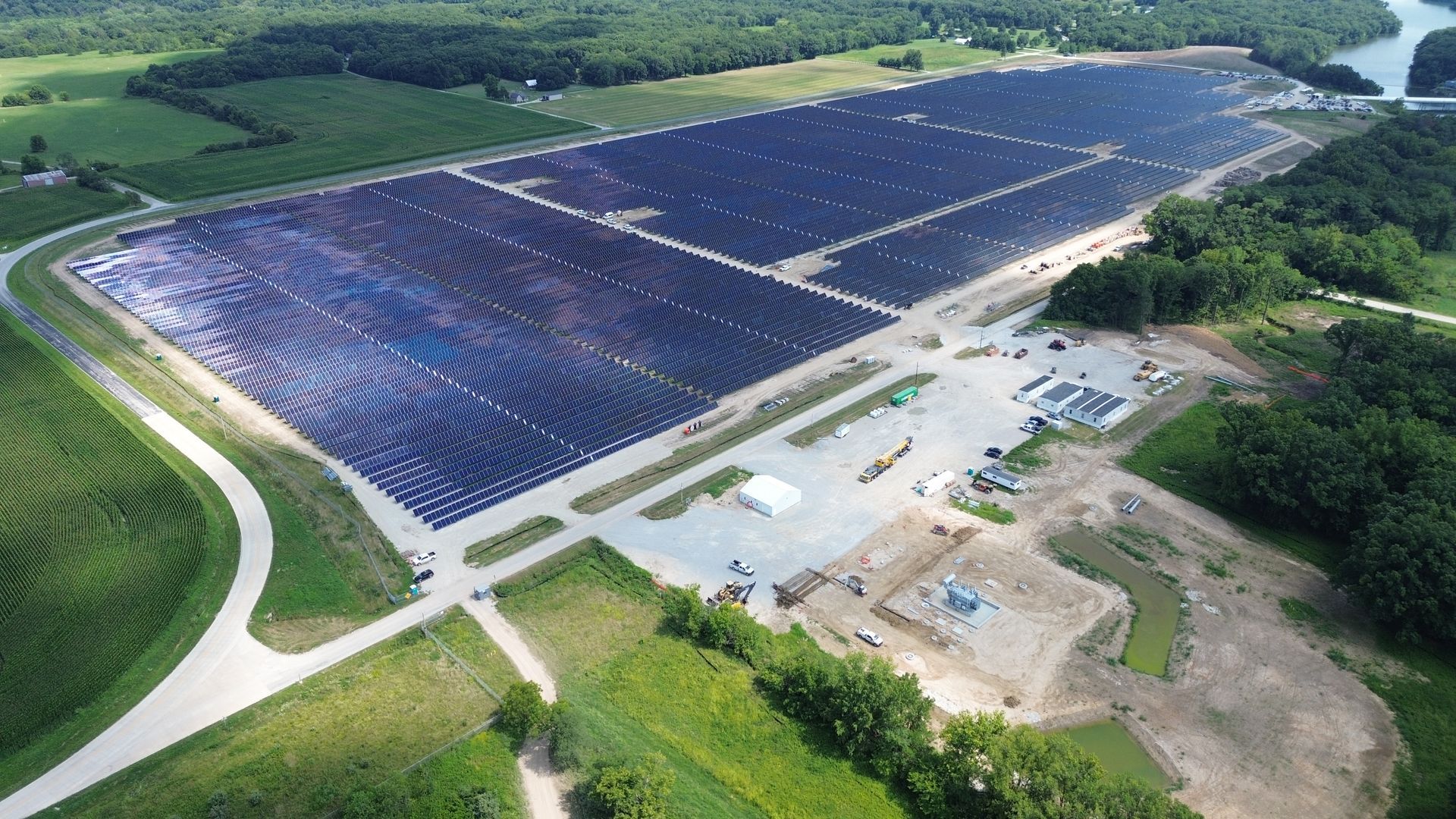
- Renewable energy integration
- Grid reliability improvements
- Aging infrastructure replacement
- Industrial expansion projects
- Transmission system upgrades
Step 2: Site Selection and Evaluation
Selecting the right location significantly affects constructability, schedule, and long-term performance.
- Available acreage
- Proximity to transmission infrastructure
- Existing utility corridors
- Soil conditions and topography
- Flood risks and environmental constraints
- Site accessibility
Substations often require access to existing transmission or distribution systems, making utility infrastructure a major consideration for electrical substation construction. How many acres for a substation depends on voltage and layout: a small distribution substation may fit on roughly 1–3 acres, while larger transmission or collector substations commonly require 5–10+ acres, including allowances for safety clearances and future expansion.
Step 3: Environmental Studies and Permitting
Substation projects frequently require coordination with regulatory agencies and local jurisdictions.
- Environmental reviews and wetland studies
- Stormwater management
- Local zoning approvals and utility coordination
- State and federal permits
Step 4: Engineering and Detailed Design
Once a site is approved, electrical substation engineering teams develop detailed construction and system plans that guide electrical substation construction.
Civil and Structural Design
- Site grading, drainage, erosion control, and access roads
- Foundations, equipment supports, and steel frameworks
Electrical Design
- Transformer and switchgear layouts
- Bus systems and disconnects
- Protection, relays, SCADA, communications
- Grounding systems and utility interconnections
Step 5–8: Construction and Installation
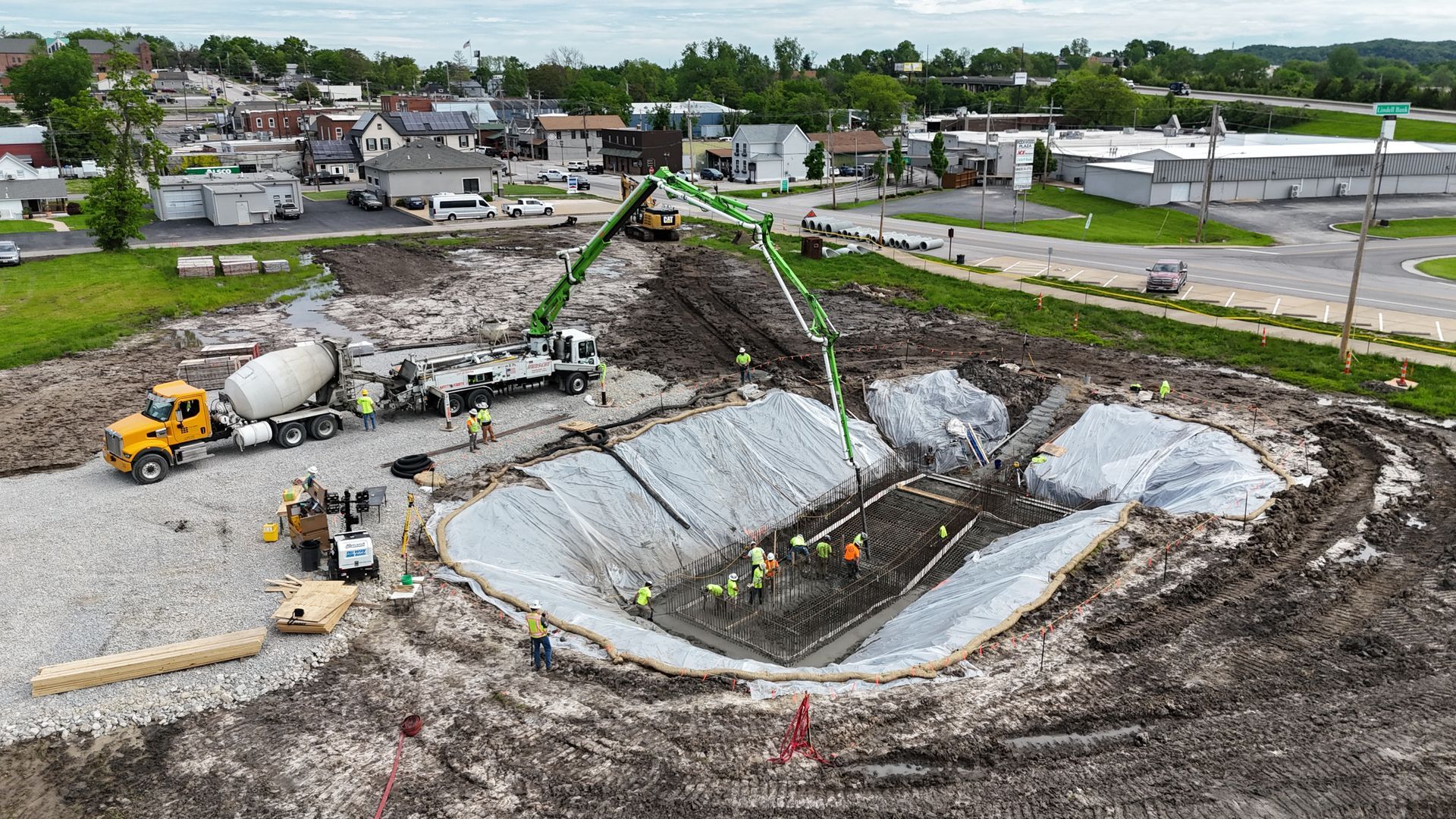
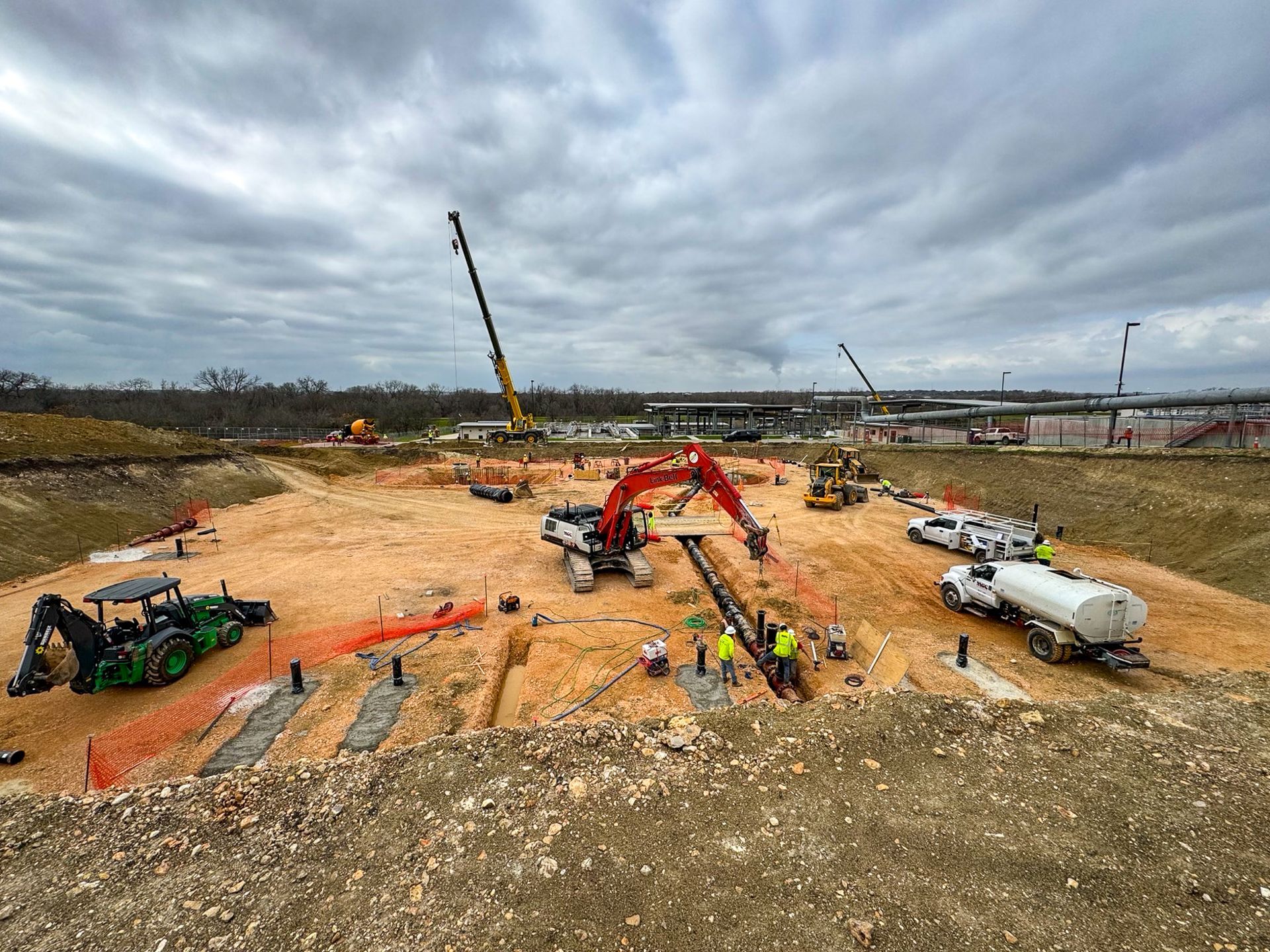
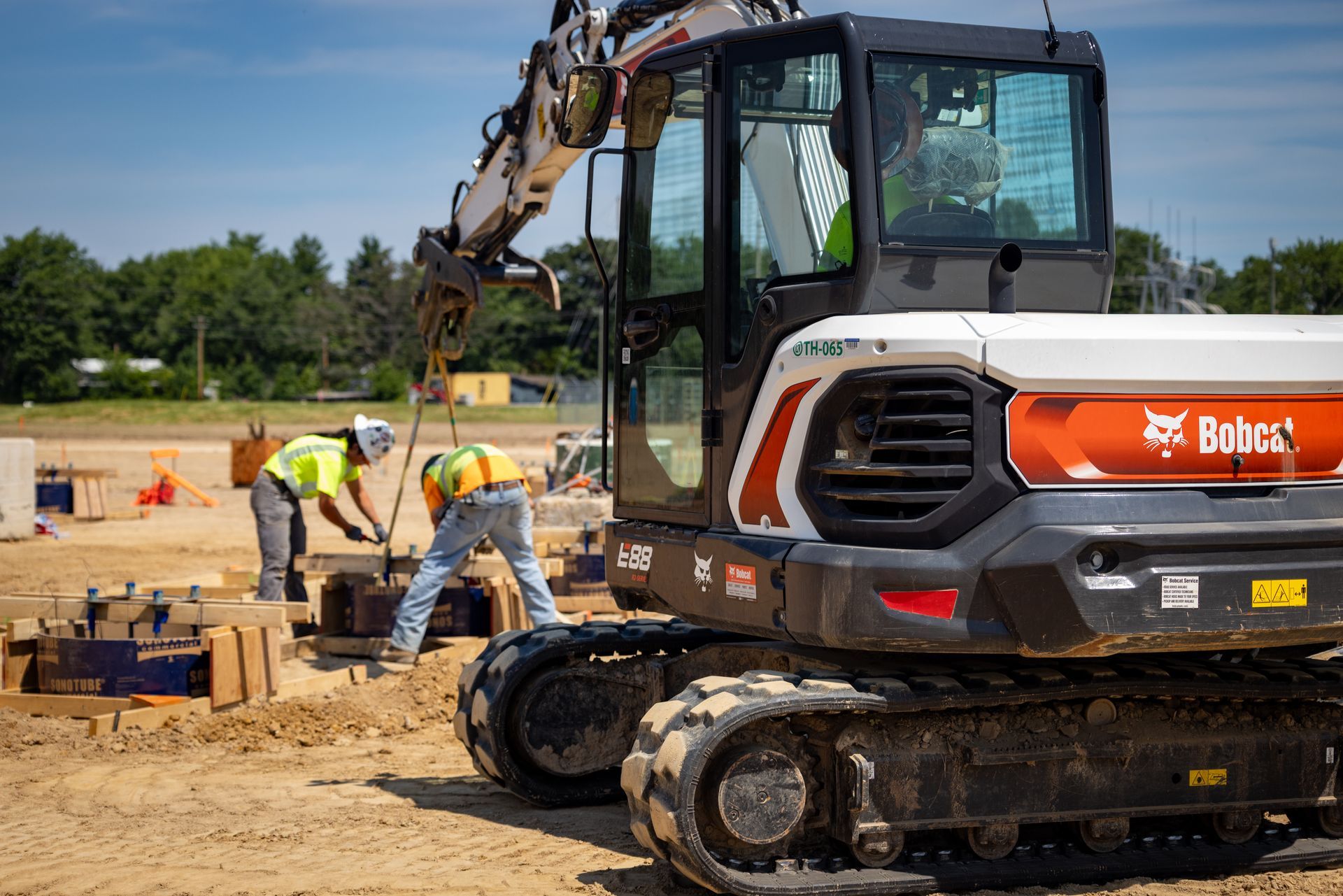
Crews clear, grade, and stabilize the site; install foundations, cable trenches, and control building pads; and set steel structures. Major equipment—power transformers, circuit breakers, switchgear, bus, and disconnect switches, is then installed. Electrical and control work follows, including cable pulls, grounding, relay and protection systems, SCADA integration, control wiring, and communications.
Step 9: Testing and Commissioning
Before energization, teams complete equipment and relay tests, verify the ground grid, coordinate with the utility, conduct safety inspections, and perform startup procedures. Testing confirms systems perform safely and as designed.
Common Challenges During Substation Construction
- Long equipment lead times (especially power transformers)
- Utility coordination for outages and tie-ins
- Site constraints at brownfield or active facilities
- Stringent high-voltage safety requirements
Frequently Asked Questions
How is a substation constructed?
Substations are built through phased work: planning and needs assessment; site selection; environmental reviews and permits; civil, structural, and electrical design; site prep and foundations; major equipment and controls installation; and testing/commissioning prior to energization.
What are the four types of substations?
The four common types are transmission, distribution, collector, and switching substations.
What are the three main components of an electrical substation?
Power transformers; switching/interrupting equipment (breakers, disconnects, bus); and protection and control systems (relays, SCADA, communications, grounding).
How many acres for a substation?
Footprints vary by voltage and design. Many distribution substations fit on about 1–3 acres, while larger transmission or collector stations typically need 5–10+ acres, with room for clearances and expansion.
Supporting the Future of Energy Infrastructure
Electrical substations may not receive the same attention as generation facilities or transmission lines, but they play an essential role in keeping the grid operating safely and reliably. Successful substation projects begin with careful planning, early coordination, and experienced teams; substation contractors and substation construction companies; capable of navigating technical, regulatory, and construction challenges from concept through energization.