Guide to Building a Renewable Natural Gas Facility
What Is a Renewable Natural Gas Facility?
A renewable natural gas facility captures methane-rich biogas generated from organic materials and upgrades it into pipeline-quality natural gas. Feedstock sources may include:
- Landfills
- Agricultural waste
- Wastewater treatment plants
- Food waste
- Anaerobic digesters
Once collected, raw biogas is cleaned and processed to remove impurities such as carbon dioxide, moisture, hydrogen sulfide, and other contaminants. The resulting RNG can be injected into natural gas pipelines or used as transportation fuel at a renewable natural gas plant or rng plant.
Key Considerations Before Starting an RNG Project
Before construction begins, project teams should evaluate several foundational factors that influence cost, schedule, the RNG facility construction timeline, and long-term performance.
Feedstock Availability and Consistency
The success of an RNG facility starts with reliable feedstock. Teams should evaluate both quantity and consistency over time. Long-term supply agreements and forecasting can help reduce operational uncertainty, especially for waste management RNG sources.
Questions to consider include:
- What waste streams are available?
- Are seasonal fluctuations expected?
- Will feedstock volumes support future expansion?
- How will material be transported and stored?
Site Selection and Infrastructure
Location significantly impacts project viability. Site selection should account for proximity to feedstock sources, utility access, transportation routes, and nearby pipeline infrastructure for renewable natural gas facility construction.
Important site considerations include:
- Existing utility capacity
- Geotechnical conditions
- Environmental constraints
- Available acreage
- Access roads and logistics
- Pipeline interconnection opportunities
Early evaluation can prevent costly changes later in development and streamline renewable natural gas facility construction.
Understanding Permitting and Regulatory Requirements
RNG projects often involve multiple regulatory agencies and approval processes. Requirements vary by location and facility type, making early coordination essential for meeting RNG facility permitting requirements.
Permitting considerations may include:
- Environmental reviews
- Air permits
- Utility approvals
- Stormwater management requirements
- Local zoning requirements
- State and federal regulations
Because permitting timelines can influence the overall schedule, engaging regulatory stakeholders early can reduce delays and clarify RNG facility permitting requirements.
Engineering and Facility Design
Designing a renewable natural gas facility requires coordination across multiple systems and disciplines for successful renewable natural gas facility construction.
Facility design may include:
- Gas collection systems
- Processing and upgrading equipment
- Compression systems
- Utility infrastructure
- Electrical systems
- Control systems
- Site development and civil work
A collaborative delivery approach can improve communication between design and construction teams, helping identify constructability concerns before work begins and aligning with the RNG facility construction timeline.
Construction Challenges in Renewable Natural Gas Projects
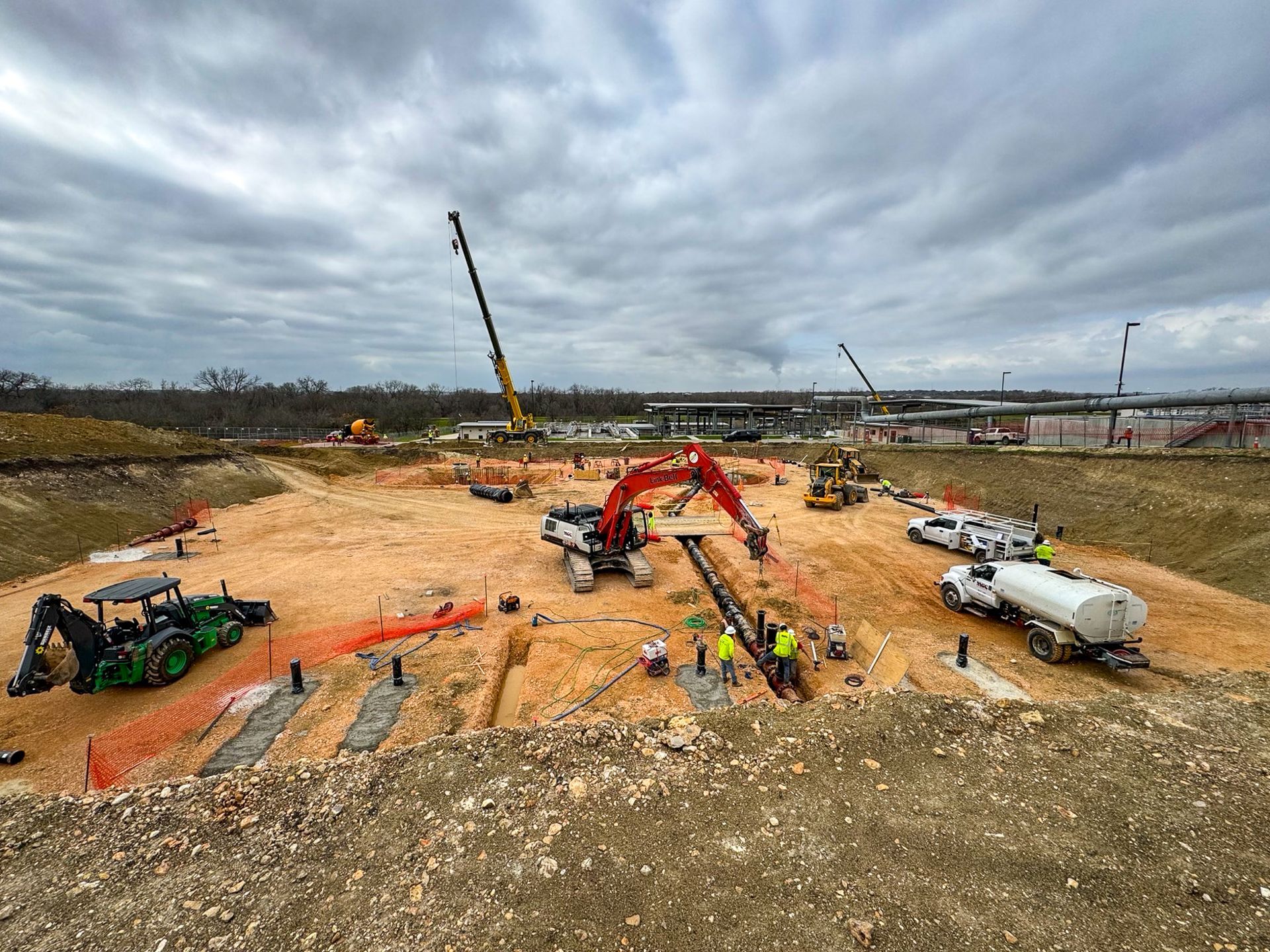
Like many industrial energy projects, RNG facilities often involve complex coordination and aggressive schedules. This is true across new builds, expansions at a river birch gas plant, or other rng projects.
Common construction challenges include:
Equipment Coordination
Specialized process equipment often comes with long procurement timelines. Early planning and supplier coordination can reduce schedule impacts on the RNG facility construction timeline.
Utility Integration
RNG facilities frequently require significant utility coordination, including electrical upgrades and pipeline tie-ins at a renewable natural gas plant or rng plant.
Site Constraints
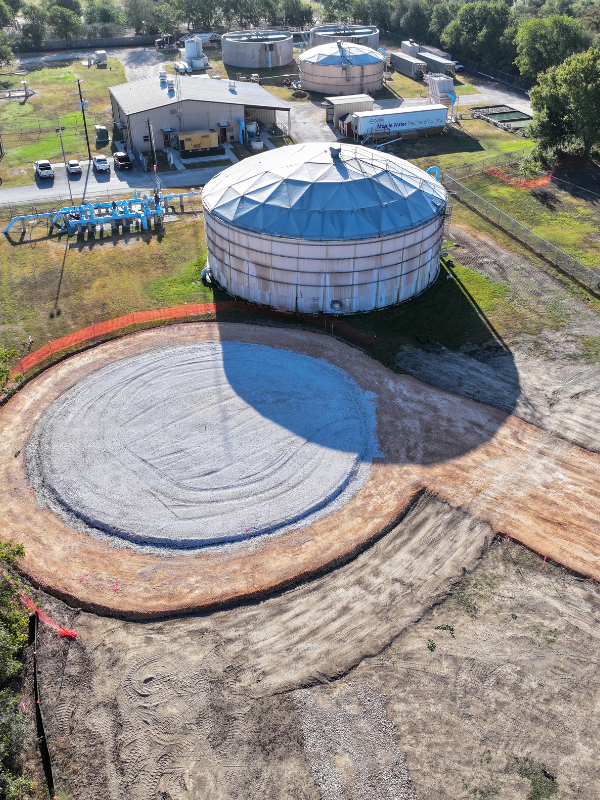
Brownfield sites, existing facilities, and active operations can create logistical challenges during construction for waste management RNG and similar rng projects.
Safety and Operational Continuity
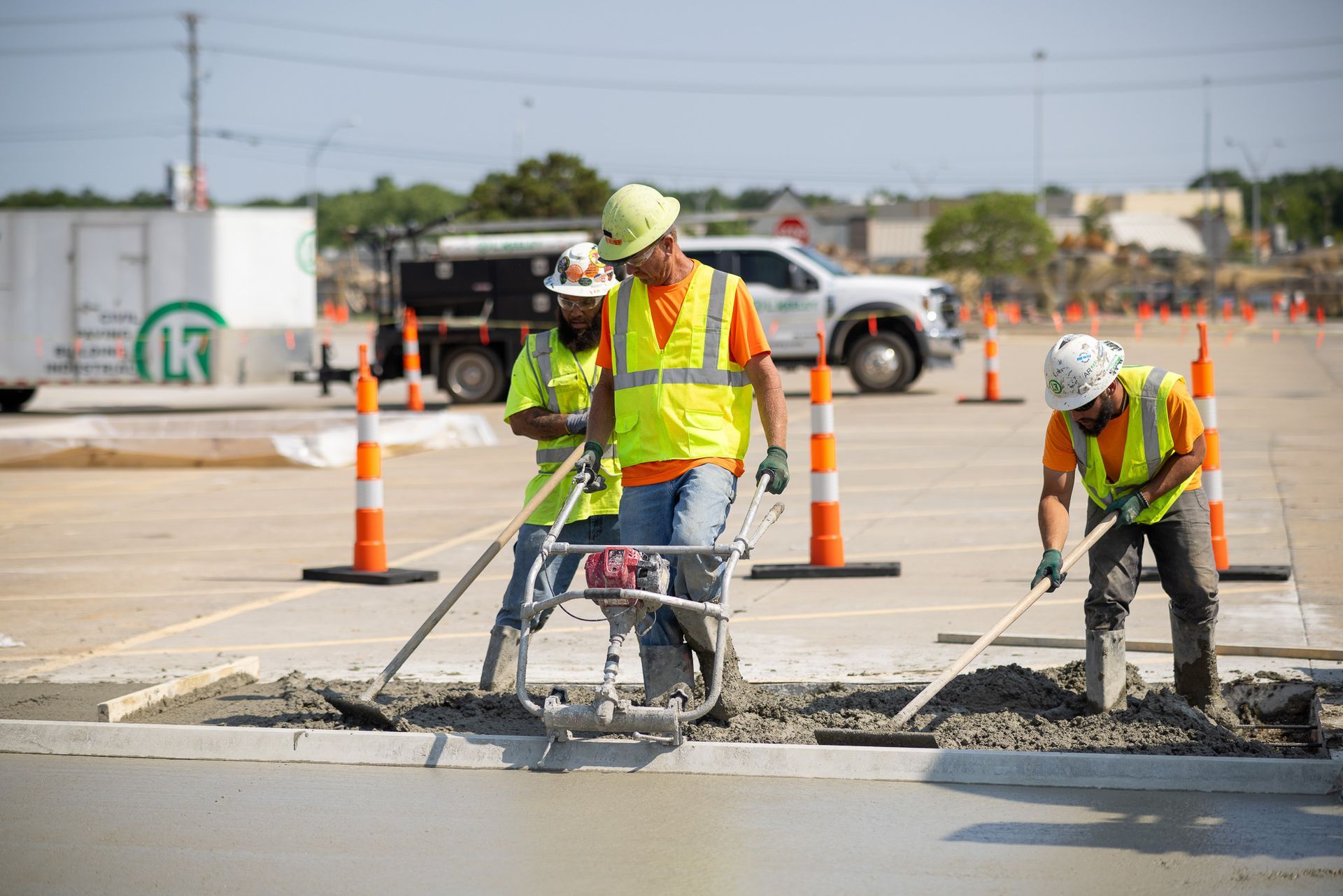
Many projects occur within active industrial or operational environments where maintaining safe conditions and minimizing disruptions becomes a priority.
Why Early Contractor Involvement Matters
Bringing construction teams into the process earlier can create value well before groundbreaking begins.
Early contractor involvement may help teams:
- Improve cost certainty
- Identify constructability risks
- Support procurement planning
- Optimize scheduling
- Coordinate phased construction
- Reduce rework
Integrating design and construction perspectives earlier often creates a more predictable project experience for renewable natural gas facility construction and keeps the RNG facility construction timeline on track.
Frequently Asked Questions About Building RNG Facilities
How long does it take to build a renewable natural gas facility?
Project schedules vary depending on permitting, complexity, equipment procurement, and site conditions. Many projects can span multiple phases from planning through commissioning, so defining a realistic RNG facility construction timeline is essential.
What industries commonly use renewable natural gas?
Renewable natural gas is frequently used in transportation, utility infrastructure, industrial applications, and sustainability initiatives, including waste management RNG programs and operations such as the river birch gas plant.
What are the biggest risks in RNG projects?
Common risks include permitting delays, equipment lead times, feedstock variability, and utility coordination—making clear RNG facility permitting requirements and early planning vital for rng projects.
Building for the Future
Renewable natural gas projects represent a growing opportunity for organizations looking to support sustainability goals while creating value from existing waste streams. Successful projects begin with thoughtful planning, strong partnerships, and an integrated approach that aligns design, construction, and long-term operational objectives for a renewable natural gas plant.
As RNG infrastructure continues to expand, teams that prioritize early coordination and strategic planning can position projects for long-term success in renewable natural gas facility construction and related rng projects.