Best Utility-Scale Solar Construction Companies
 What Is a Utility-Scale Solar Project?

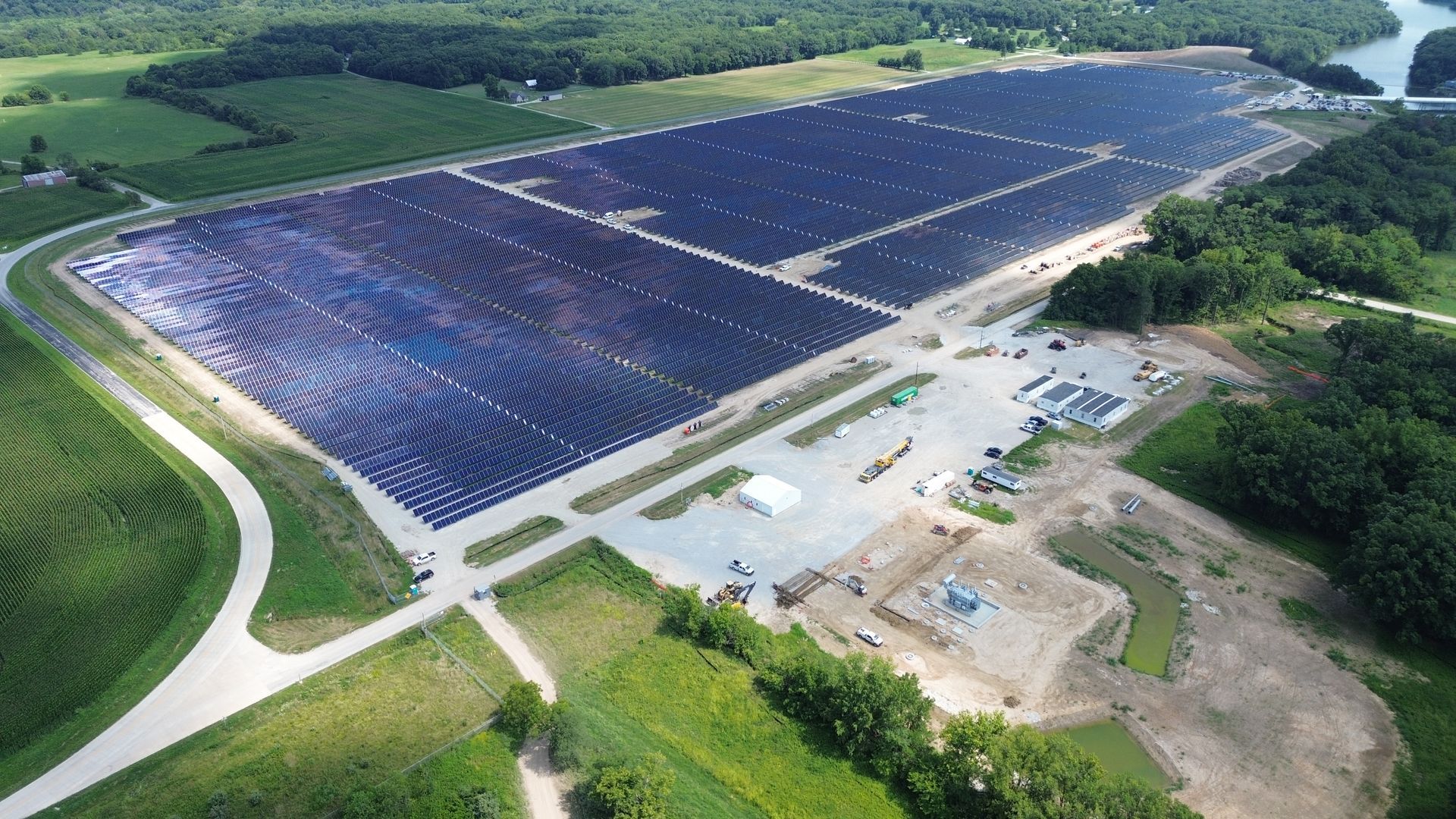
A utility-scale solar project is a large energy generation facility designed to produce electricity for the power grid. These projects can span hundreds or thousands of acres and may generate enough electricity to serve entire communities or regional utility systems.


They commonly include:

  • Photovoltaic (PV) panel systems and single-axis tracking
  • Civil infrastructure, foundations, and access roads
  • Collection systems and high-voltage equipment
  • Substations and transmission interconnections
  • Battery Energy Storage Systems (BESS)


Because of their size and complexity, construction requires coordination among engineers, utilities, contractors, equipment suppliers, and regulators, an environment where experienced solar farm construction companies excel. Utility-scale solar developers rely on such solar farm construction companies to manage risks and maintain grid compliance from grading through energization.


What Services Do Utility-Scale Solar Construction Companies Provide?

  • EPC or design-build delivery
  • Site surveys, geotechnical, and civil/site development
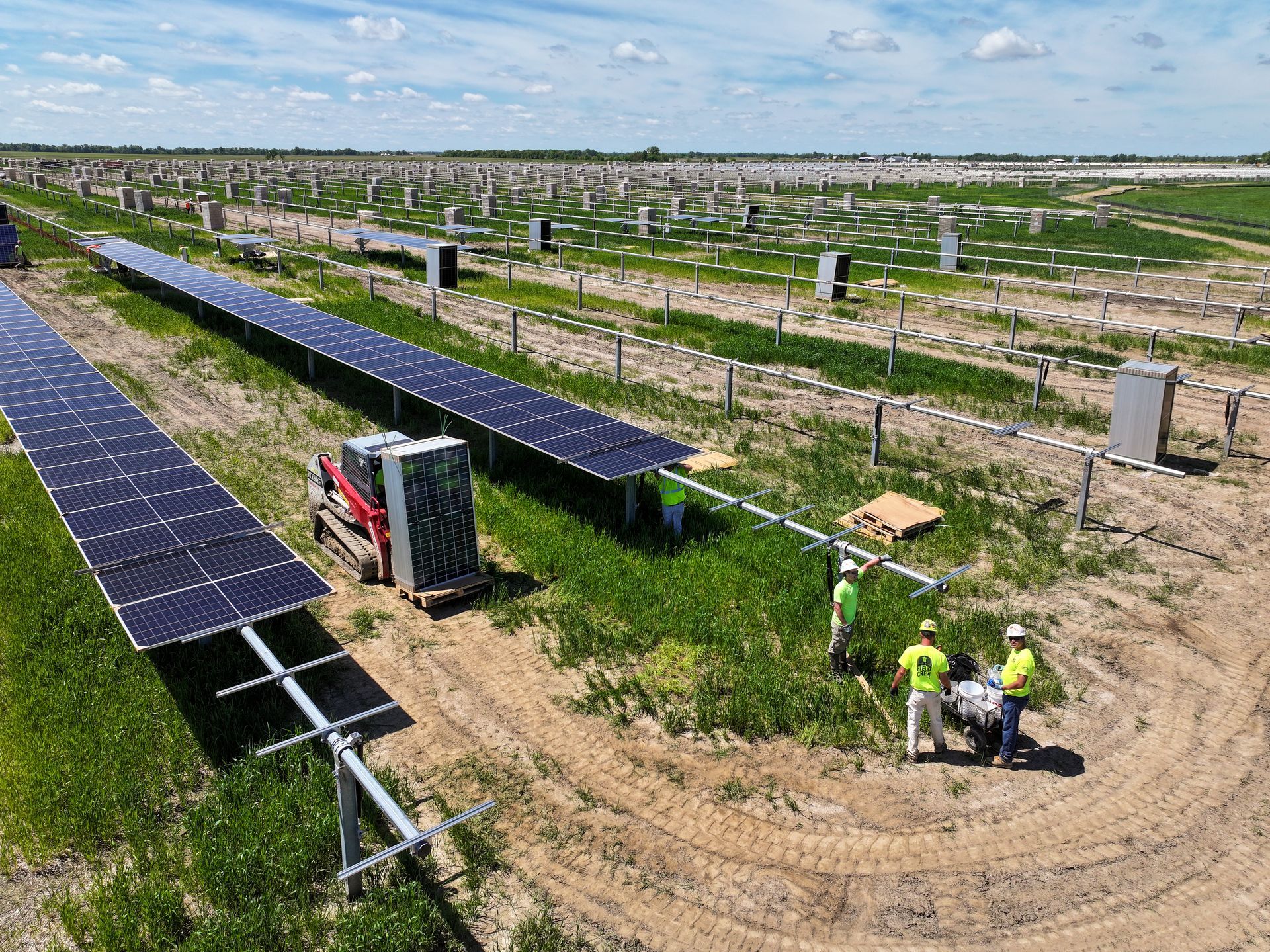
  • Module, tracker, and foundation installation
  • DC/AC collection, inverters, medium- and high-voltage work
  • Substation design/construct and transmission tie-in
  • BESS integration and commissioning
  • Procurement, logistics, QA/QC, safety, and project controls


These services enable utility solar projects to move from development to construction smoothly, and commercial utility solar contractors frequently self-perform critical scopes to control cost and quality.


Main Stages of Utility-Scale Solar Construction

  • Preconstruction: estimating, constructability, permitting support, interconnection planning, and procurement strategy
  • Sitework: clearing, grading, access roads, drainage, erosion control, and foundations
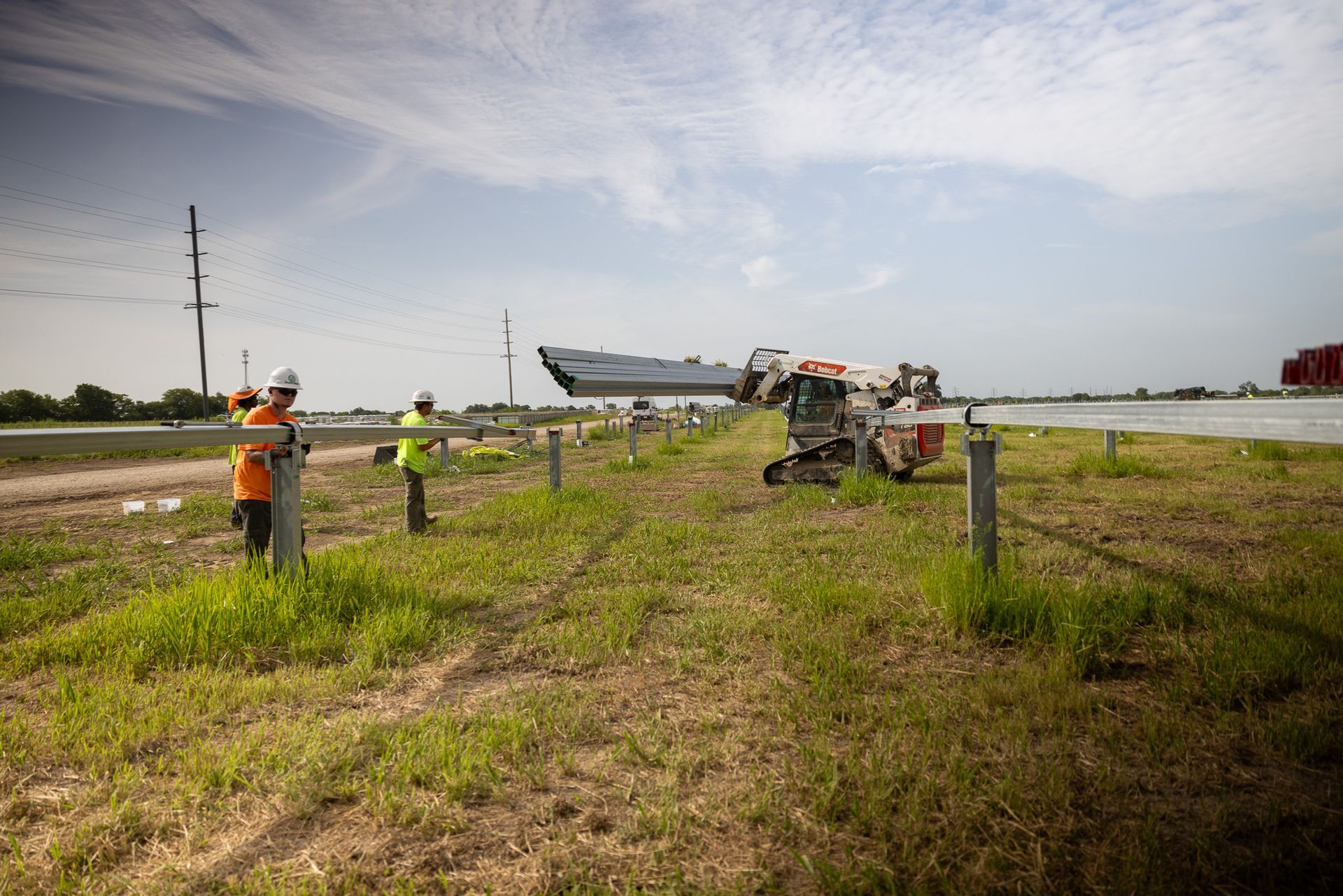
  • Mechanical installation: trackers/racking and module mounting
  • Electrical installation: DC strings, inverters, MV collection, substation, and transmission interconnect
  • Controls/BESS: integration, SCADA, protections, and storage systems
  • Commissioning and energization: testing, utility coordination, and turnover


How Long Does It Take to Build a Utility-Scale Solar Project?

Typical construction durations range from 9 to 18 months for projects in the 100–300 MW range, depending on site conditions, labor availability, weather, permitting, interconnection timelines, equipment lead times, and whether BESS or extensive transmission work is included. Early procurement and utility coordination can shorten schedules, particularly when utility scale solar developers and utility-scale solar developers engage construction teams early.


How Are Solar Construction Companies Selected?

Owners commonly run competitive RFPs, shortlist experienced EPCs, and evaluate technical proposals, safety records, cost, schedule, self-perform capabilities, financial strength, and relevant project references.


Selection often considers:

  • Utility-scale track record and installed MW
  • Demonstrated substation/transmission and BESS experience
  • Safety metrics and training programs
  • Execution plan, supply-chain strategy, and local workforce approach
  • Commercial terms, bonding capacity, and risk management


Savvy utility-scale solar developers also assess alignment on interconnection strategy and QA/QC systems when shortlisting solar farm construction companies and commercial utility solar contractors.


What Factors Influence Utility-Scale Solar Construction Cost?

  • Equipment pricing and availability (modules, trackers, inverters, transformers, switchgear)
  • Interconnection scope (substation complexity, line length, protection requirements)
  • Site conditions (soil, rock, grading, drainage, environmental constraints)
  • Labor market, prevailing wage, and logistics/access
  • BESS size, fire/life-safety systems, and integration complexity
  • Schedule constraints, weather risks, and contingency
  • Procurement strategy, tariffs, tax credits, and domestic content requirements


What Makes a Contractor a Good Fit?

Renewable Energy Experience

Owners evaluate utility-scale experience, installed capacity, similar project sizes, and solar-plus-storage portfolios to anticipate challenges and improve execution, particularly for grid interconnections. The strongest utility-scale solar construction companies demonstrate repeatable processes across multiple regions.


Civil and Site Development Strength

Earthwork, stabilization, drainage, roads, foundations, and erosion control directly affect productivity and long-term performance.


Electrical Infrastructure Expertise

Collection systems, high-voltage work, substations, utility interconnections, transmission scope, and commissioning require specialized teams. Commercial utility solar contractors with in-house HV crews often deliver superior schedule certainty.


Safety Performance

Established safety programs, training standards, incident metrics, and detailed planning signal operational discipline across the worksite.


Key Questions to Ask

  • How many utility-scale solar projects have you completed?
  • Can you self-perform critical scopes and support substations/transmission?
  • How do you manage long-lead equipment and supply-chain risk?
  • What delivery methods do you support (EPC, design-build, CM, GC)?
  • How will you coordinate interconnection and commissioning with the utility?


Building Successful Solar Projects Starts with the Right Partner

Growth in utility solar demands experienced teams that can integrate civil, electrical, and utility scopes while controlling cost and schedule. Beyond rankings, owners should select a partner whose capabilities align with project goals, site conditions, and interconnection requirements—precisely what leading utility-scale solar construction companies deliver. Early planning, integrated delivery, and infrastructure expertise create a stronger path from development through energization for consistent results.


By partnering with proven solar farm construction companies and commercial utility solar contractors, utility scale solar developers and utility-scale solar developers can de-risk execution and accelerate time to revenue for utility solar portfolios.
By Sofia Wojtal May 20, 2026
What Types of Hydrogen Projects Require Specialized Construction Experience? Hydrogen infrastructure includes a broad range of facility types, each with unique design and construction considerations. Examples include: Green hydrogen production facilities Blue hydrogen facilities Electrolyzer installations Hydrogen fueling infrastructure Industrial hydrogen systems Storage and compression facilities Pipeline and transportation systems Renewable energy integration projects Because project requirements vary significantly, contractor experience should align with project goals and technical needs. Green hydrogen construction companies and electrolyzer construction contractors with proven delivery across hydrogen production facilities can reduce risk during design and execution. What Makes Hydrogen Construction Different? Hydrogen infrastructure projects often involve highly specialized systems and operational considerations related to the manufacturing of hydrogen equipment and process safety. Project teams frequently manage: Process piping systems Compression equipment Utility integration Specialized safety systems High-voltage electrical infrastructure Storage technologies Environmental requirements Emerging technologies Construction planning often requires close coordination among engineering teams, technology providers, utilities, and regulatory stakeholders, especially when delivering hydrogen production facilities via hydrogen construction firms. Key Factors to Compare When Evaluating Hydrogen Construction Firms Industrial and Energy Infrastructure Experience Many successful hydrogen builders have backgrounds in industrial process facilities and large-scale energy projects. Owners often evaluate: Industrial project portfolio Energy infrastructure experience Utility-scale project history Similar facility construction experience Experience with emerging technologies Firms with relevant experience may be better equipped to anticipate technical and constructability challenges. This is particularly true for electrolyzer construction contractors supporting the manufacturing of hydrogen components and balance-of-plant systems. Process and Mechanical Capabilities Hydrogen facilities often include complex mechanical and process systems. Key considerations may include: Process piping experience Equipment installation capabilities Compression systems Mechanical coordination Industrial utility systems Mechanical expertise frequently becomes critical to project execution for hydrogen production facilities managed by green hydrogen construction companies. Electrical and Utility Integration Experience Hydrogen projects often require significant power infrastructure. Teams may evaluate: Substation capabilities Utility coordination experience High-voltage systems expertise Renewable integration experience Transmission infrastructure support Electrolyzer-based facilities in particular may involve substantial electrical demands that electrolyzer construction contractors must plan and deliver effectively. Safety Programs and Operational Planning Hydrogen projects require rigorous safety planning throughout design and construction. Owners frequently review: Safety performance metrics Industrial safety experience Process safety planning Training standards Site-specific safety procedures Strong safety culture can play a major role in project success, especially for hydrogen construction firms operating complex hydrogen production facilities. Delivery Model and Project Approach Different firms may support different project delivery methods. Examples include: EPC (Engineering, Procurement, and Construction) Design-build delivery Construction management General contracting Integrated project delivery approaches Understanding project delivery capabilities early can improve alignment among stakeholders and help green hydrogen construction companies integrate technology packages tied to the manufacturing of hydrogen systems. Questions to Ask When Comparing Hydrogen Construction Firms Before selecting a partner, project teams may consider asking: Have you built hydrogen-specific facilities? Direct hydrogen experience can provide insight into unique infrastructure and operational requirements for hydrogen production facilities. What industrial projects are most similar to ours? Relevant adjacent experience may be valuable, particularly as hydrogen technologies continue evolving among hydrogen construction firms. How do you manage emerging technologies? Hydrogen infrastructure often involves rapidly changing equipment and systems and close supplier coordination tied to the manufacturing of hydrogen equipment. Can your team support utility and power infrastructure needs? Electrical infrastructure frequently becomes a significant component of hydrogen developments that electrolyzer construction contractors must address. How do you address long-lead equipment procurement? Supply chain planning can significantly influence project schedules for green hydrogen construction companies. Common Challenges in Hydrogen Construction Projects Evolving Regulations Hydrogen codes and standards continue to develop as the industry matures. Utility Coordination Large electrical demands can affect utility planning and schedules. Specialized Equipment Procurement Hydrogen technologies may involve extended manufacturing timelines linked to the manufacturing of hydrogen systems and skids. Technology Integration Projects often involve coordination across multiple vendors and systems. Early planning can help reduce uncertainty and improve execution across hydrogen production facilities. Frequently Asked Questions What types of companies build hydrogen facilities? Hydrogen projects are commonly built by industrial contractors, EPC firms, process facility builders, energy infrastructure companies, and specialized electrolyzer construction contractors. Are hydrogen projects similar to traditional industrial facilities? Some project elements overlap, but hydrogen facilities often involve unique process, safety, and utility considerations that experienced hydrogen construction firms manage. What experience matters most for hydrogen construction? Industrial process experience, utility infrastructure expertise, safety planning, and complex project delivery experience often provide strong foundations for green hydrogen construction companies. Building the Future of Hydrogen Infrastructure As hydrogen technologies continue to evolve, selecting the right construction partner will remain a critical project decision. Comparing firms based on capabilities, experience, safety, and infrastructure expertise can help owners identify teams equipped to navigate project complexity. The most successful hydrogen projects often begin with strong partnerships, early collaboration, and a clear understanding of project requirements before construction begins, attributes that top hydrogen construction firms and electrolyzer construction contractors consistently demonstrate.
By Sofia Wojtal May 20, 2026
What Is an Electrical Substation? An electrical substation is a facility that transforms voltage levels and manages the flow of electricity throughout the power system. If you’re wondering what are substations or what is substation functionality, they are nodal points that control, protect, and route power efficiently. Substations may serve several functions, including: Stepping voltage up or down Connecting generation sources to the grid Supporting transmission and distribution systems Improving system reliability Managing power flow and protection systems Common substation types include four primary categories: transmission substations, distribution substations, collector substations, and switching substations. Renewable energy interconnection substations are often configured as collector or switching facilities tailored to solar and wind projects. Each project type has unique design and electrical substation construction requirements depending on voltage level, system demand, and operational needs. The three main components of an electrical substation typically include: power transformers (to change voltage), switchgear and interrupting devices (such as circuit breakers, disconnects, and bus systems to control and protect circuits), and protection and control systems (relays, SCADA, communications, and grounding to monitor, automate, and ensure safety). Step 1: Planning and System Needs Assessment Before selecting a site or developing designs, utilities and project teams determine why a new substation is needed. Substation project management begins here, integrating scope, schedule, and risk planning led by substation contractors or electrical substation construction companies. Common drivers include: Growing power demand Renewable energy integration Grid reliability improvements Aging infrastructure replacement Industrial expansion projects Transmission system upgrades Step 2: Site Selection and Evaluation Selecting the right location significantly affects constructability, schedule, and long-term performance. Available acreage Proximity to transmission infrastructure Existing utility corridors Soil conditions and topography Flood risks and environmental constraints Site accessibility Substations often require access to existing transmission or distribution systems, making utility infrastructure a major consideration for electrical substation construction. How many acres for a substation depends on voltage and layout: a small distribution substation may fit on roughly 1–3 acres, while larger transmission or collector substations commonly require 5–10+ acres, including allowances for safety clearances and future expansion. Step 3: Environmental Studies and Permitting Substation projects frequently require coordination with regulatory agencies and local jurisdictions. Environmental reviews and wetland studies Stormwater management Local zoning approvals and utility coordination State and federal permits Step 4: Engineering and Detailed Design Once a site is approved, electrical substation engineering teams develop detailed construction and system plans that guide electrical substation construction. Civil and Structural Design Site grading, drainage, erosion control, and access roads Foundations, equipment supports, and steel frameworks Electrical Design Transformer and switchgear layouts Bus systems and disconnects Protection, relays, SCADA, communications Grounding systems and utility interconnections Step 5–8: Construction and Installation Crews clear, grade, and stabilize the site; install foundations, cable trenches, and control building pads; and set steel structures. Major equipment—power transformers, circuit breakers, switchgear, bus, and disconnect switches, is then installed. Electrical and control work follows, including cable pulls, grounding, relay and protection systems, SCADA integration, control wiring, and communications. Step 9: Testing and Commissioning Before energization, teams complete equipment and relay tests, verify the ground grid, coordinate with the utility, conduct safety inspections, and perform startup procedures. Testing confirms systems perform safely and as designed. Common Challenges During Substation Construction Long equipment lead times (especially power transformers) Utility coordination for outages and tie-ins Site constraints at brownfield or active facilities Stringent high-voltage safety requirements Frequently Asked Questions How is a substation constructed? Substations are built through phased work: planning and needs assessment; site selection; environmental reviews and permits; civil, structural, and electrical design; site prep and foundations; major equipment and controls installation; and testing/commissioning prior to energization. What are the four types of substations? The four common types are transmission, distribution, collector, and switching substations. What are the three main components of an electrical substation? Power transformers; switching/interrupting equipment (breakers, disconnects, bus); and protection and control systems (relays, SCADA, communications, grounding). How many acres for a substation? Footprints vary by voltage and design. Many distribution substations fit on about 1–3 acres, while larger transmission or collector stations typically need 5–10+ acres, with room for clearances and expansion. Supporting the Future of Energy Infrastructure Electrical substations may not receive the same attention as generation facilities or transmission lines, but they play an essential role in keeping the grid operating safely and reliably. Successful substation projects begin with careful planning, early coordination, and experienced teams; substation contractors and substation construction companies; capable of navigating technical, regulatory, and construction challenges from concept through energization.
By Sofia Wojtal May 20, 2026
What Is a Power Transmission Line Project? A power transmission line project involves designing and constructing infrastructure that transfers high-voltage electricity across long distances. Transmission systems commonly include: Transmission structures and poles Conductors and shield wire Foundations Access roads Substations Utility interconnections Communication systems Projects may support grid expansion, renewable integration, reliability improvements, or replacement of aging infrastructure, realized through overhead line construction and site-specific alternatives. Whether greenfield or rebuild, transmission line construction must adapt to environmental, technical, and community constraints. Step 1: System Planning and Project Development Utilities and developers evaluate long-term system needs to establish scope, schedule, and budget. Early planning identifies: Growing energy demand and capacity constraints Grid reliability concerns Renewable energy integration needs Regional transmission requirements This phase defines purpose and scope and frames the use of construction lines in design drawings for accurate, safe field layouts. Asking “what is the purpose of construction lines” helps teams ensure visual guides in plans precisely translate to field staking and clearances. Clarifying what is the purpose of construction lines also reinforces safety margins during construction of transmission lines. Step 2: Route Selection and Corridor Evaluation Determining the route balances technical, environmental, community, and cost factors. Studies examine: Existing utility corridors and infrastructure Environmental impacts, wetlands, and waterways Property ownership and community impacts Topography and constructability concerns Efficient early routing reduces risk and cost and streamlines construction, including specialty crossings. Good routing decisions directly influence how transmission line construction progresses in difficult terrain. Step 3: Environmental Studies and Permitting Projects require regulatory review and stakeholder coordination, including: Wetland and wildlife assessments Cultural resource investigations Vegetation, noise, and visual impact analyses Environmental impact studies and permits Because lines may span multiple jurisdictions, approvals can become one of the longest phases. Step 4: Land Acquisition and Easements Teams work with landowners to obtain: Permanent easements Temporary construction access rights Road access agreements and utility crossings Early communication helps minimize delays and improve coordination. Step 5: Engineering and Detailed Design Engineering develops plans for safe, efficient construction. Structural Design Pole and structure selection Foundation design Wind and loading calculations Civil Design Access roads, grading, and drainage Electrical Design Conductor and insulation selection Grounding and protection systems Substation and utility interconnections Construction lines in drawings guide precise layout, spacing, and clearances for safe overhead construction. Again, what is the purpose of construction lines? They serve as reference guides for alignment, height, and phase spacing that directly inform overhead line construction crews and quality checks during the construction of transmission lines. Step 6: Site Preparation and Access Construction Before structure installation, crews prepare the corridor and access: Vegetation clearing and grading Temporary access roads Erosion control and stabilization Access planning is crucial in difficult terrain or sensitive areas to maintain efficient transmission line construction sequencing. Step 7: Foundation and Structure Installation Crews install foundations such as drilled shafts, spread footings, piles, or concrete pads, then erect structures and poles. Structure types vary by voltage, terrain, and design requirements. This is a core phase in the construction of transmission lines, ensuring stability for long-term performance. Step 8: Conductor Stringing and Electrical Work With structures in place, teams install and tension conductors, add shield wire, complete grounding and communications, and perform utility tie-ins. Coordination and safety are critical over long spans, especially in overhead line construction near live systems or public roadways. Step 9: Testing and Commissioning Before service, teams complete electrical testing, grounding verification, structural inspections, utility coordination, and safety reviews to ensure safe operation and performance before energization. Final verification closes out the power transmission line project steps and documents readiness. Common Questions Answered What are the 7 stages of a construction project? While frameworks vary, a common sequence is: 1) Initiation (system planning) 2) Feasibility and route selection 3) Environmental studies and permitting 4) Land acquisition 5) Engineering and detailed design 6) Construction (site prep, foundations, structures, stringing) 7) Testing, commissioning, and closeout These map well to standard power transmission line project steps. What are the 4 basic parameters of a transmission line? The primary electrical parameters are resistance (R), inductance (L), capacitance (C), and conductance (G), which together define line impedance, charging, and performance. What is a transmission line project? It is the end-to-end effort to plan, permit, design, procure, construct, and commission high-voltage facilities that transmit power over long distances, typically integrating structures, conductors, substations, protection, communications, and access. What is a T&D project? T&D stands for Transmission and Distribution. A T&D project spans high-voltage transmission (bulk power movement) and medium/low-voltage distribution (delivery to end users), including lines, substations, feeders, switches, and related systems. What are the 7 C’s of project management? A practical set applied to transmission work includes: Clarity (objectives/scope), Consistency (standards/process), Communication (stakeholders), Collaboration (cross-teams), Coordination (schedules/interfaces), Control (cost/risk/quality), and Commitment (leadership/ownership). Building the Future of Energy Infrastructure Power transmission projects are increasingly important as grids evolve and renewable generation grows. While construction is highly visible, success begins with planning, coordination, and strategic decision-making.  Understanding the main phases—from initiation through commissioning—helps stakeholders chart a stronger path from concept to energization and deliver reliable, resilient infrastructure through thoughtful transmission line construction and efficient construction of transmission lines.
By Sofia Wojtal May 20, 2026
What Is a Battery Energy Storage System? A Battery Energy Storage System (BESS) stores electricity for later use through large-scale battery technologies and supporting infrastructure. These battery energy storage systems can help stabilize the electrical grid, improve renewable energy integration, provide backup power, and manage peak demand. Common BESS applications include: Utility-scale energy storage Renewable energy integration Grid stabilization Peak shaving and demand management Industrial and commercial power support Microgrid applications Most utility-scale projects include battery containers or enclosures, inverters, transformers, control systems, and electrical infrastructure. Effective BESS equipment layout best practices begin with understanding these core elements. Key Site Requirements for a Battery Energy Storage System Selecting the right site can significantly affect project cost, constructability, operational efficiency, and long-term reliability. Several factors should be evaluated before development begins to meet battery energy storage system site requirements and align with the minimum requirements of most energy codes and standards are established by the authority having jurisdiction. Available Land and Project Footprint Battery storage facilities require adequate space not only for battery equipment, but also for supporting infrastructure and future expansion opportunities. Applying BESS equipment layout best practices supports safe clearances, maintainability, and efficient cable routing. Site planning often includes space for: Battery containers or enclosures Inverters and transformers Substations Access roads Stormwater infrastructure Setback requirements Operations and maintenance access Future capacity expansion Although bess systems typically require less land than large-scale generation facilities, layout efficiency remains important to satisfy battery energy storage system site requirements. Utility Interconnection Access One of the most important site considerations is proximity to electrical infrastructure for bess battery energy storage systems. Project teams often evaluate: Existing substations Transmission infrastructure Distribution lines Available grid capacity Utility interconnection requirements Sites with nearby electrical infrastructure may reduce costs and improve project feasibility. Because interconnection studies and utility approvals can affect schedules, early coordination is often beneficial to meet the minimum requirements of most energy codes and standards are relevant to the interconnection process. Geotechnical and Soil Conditions Subsurface conditions play a major role in site design and construction planning. BESS geotechnical considerations guide exploration scope and foundation selection for bess installation. Geotechnical investigations may evaluate: Soil stability Bearing capacity Groundwater conditions Settlement risks Existing site conditions Poor soil conditions can increase civil work requirements and affect foundation design. Early investigations help identify potential challenges before construction begins and inform BESS foundation and civil requirements. Drainage and Stormwater Management Battery storage sites must manage water effectively to protect equipment and maintain safe operations. Meeting BESS foundation and civil requirements typically includes robust drainage design aligned with battery energy storage system site requirements. Stormwater planning often includes: Site grading strategies Drainage infrastructure Erosion control measures Water detention requirements Flood risk considerations Sites within flood-prone areas may require additional mitigation measures, a key part of BESS geotechnical considerations and civil design. Transportation and Site Access Large BESS projects involve transporting heavy and oversized equipment. Successful bess installation depends on safe, efficient delivery and staging. Teams should evaluate: Road access Turning radii for large deliveries Bridge limitations Construction traffic routes Material staging areas Battery containers and electrical equipment frequently require specialized transportation planning that aligns with BESS equipment layout best practices. Safety and Setback Considerations Safety planning represents a significant component of battery energy storage site selection. Battery energy storage system site requirements typically define clearances, access, and protection features. Key considerations may include: Fire protection requirements Equipment spacing Emergency access routes Setback distances Local code requirements Separation from adjacent structures Proper spacing and site layout can support safer operations and maintenance activities and help ensure bess battery energy storage systems comply with applicable codes. Environmental and Permitting Requirements Battery storage projects often require regulatory approvals before construction can begin. The battery energy storage system site requirements must align with environmental rules and the minimum requirements of most energy codes and standards are typically addressed through permitting. Requirements may include: Environmental reviews Stormwater permits Local zoning approvals Utility coordination Noise studies Visual impact evaluations Permitting requirements vary depending on project location and jurisdiction. Early coordination can reduce delays and improve schedule predictability for bess systems. Common Site Challenges in BESS Projects Battery energy storage developments frequently encounter unique project challenges. Utility Coordination Complexity Interconnection requirements can introduce schedule uncertainty and coordination challenges for bess installation. Existing Site Constraints Brownfield sites or active industrial locations may require additional planning to satisfy BESS foundation and civil requirements and BESS geotechnical considerations. Equipment Procurement Timelines Specialized electrical equipment can have extended lead times, influencing BESS equipment layout best practices during design. Evolving Regulations Battery storage technologies continue to develop, and codes may change alongside industry growth, affecting battery energy storage system site requirements. Frequently Asked Questions How much land does a battery energy storage system require? Land requirements vary depending on system capacity, battery technology, and supporting infrastructure, but must accommodate BESS equipment layout best practices and BESS foundation and civil requirements. Can BESS facilities be built near solar farms? Yes. Battery energy storage systems are frequently co-located with renewable energy facilities to improve energy management and grid performance, streamlining bess installation and interconnection. What are the biggest site risks for battery projects? Common risks include utility interconnection delays, site access limitations, permitting requirements, and geotechnical challenges addressed by BESS geotechnical considerations. Planning for Long-Term Success Bess systems are becoming increasingly important as energy infrastructure evolves. While the technology itself receives much of the attention, project success often begins with selecting the right site and understanding broader infrastructure needs for bess battery energy storage systems. Early planning, stakeholder coordination, and proactive evaluation of battery energy storage system site requirements can help create a smoother path from development through construction and operation.
By Sofia Wojtal May 20, 2026
What Is a Solar Farm? A solar farm is a large-scale energy facility designed to generate electricity using photovoltaic (PV) panels that convert sunlight into usable power. Solar farms range in size from smaller community-scale developments to utility-scale installations spanning hundreds or thousands of acres, and their success depends on effective solar farm construction and long-term solar farm operations and maintenance. Common solar project types include: Utility-scale solar farms Community solar projects Industrial and commercial solar installations Agrivoltaic projects that combine farming and energy generation Electricity generated by the facility is transmitted to the power grid through substations and utility interconnections as part of comprehensive solar field construction. Step 1: Site Selection and Land Evaluation The construction process begins long before equipment arrives onsite and is essential to how to build a solar farm efficiently. Selecting the right location can significantly affect project cost, schedule, and long-term performance for solar farm construction companies and solar farm contractors. Project teams typically evaluate: Available acreage Solar exposure and sunlight conditions Topography and grading requirements Environmental impacts Existing utility infrastructure Soil and geotechnical conditions Access roads and transportation logistics Proximity to transmission lines Developers often prioritize sites with strong solar resources and nearby utility access to reduce infrastructure costs and streamline solar field construction. Step 2: Environmental Reviews and Permitting Solar projects frequently require approvals from multiple agencies and jurisdictions before construction begins, and experienced solar farm contractors manage these efforts. Permitting activities may include: Environmental assessments Stormwater management planning Local zoning approvals Utility coordination Wetland and habitat studies State and federal regulatory requirements Permitting timelines can become a major driver of the overall project schedule, making early planning critical for solar farm construction companies. Step 3: Engineering and Design Once a site moves forward, engineering teams develop detailed project plans that inform how to build a solar farm from the ground up. Design efforts often include: Civil Design Site grading Drainage systems Erosion control measures Access roads Structural Design Foundation systems Racking structures Wind and load calculations Electrical Design Panel layouts Inverters Collection systems Substations Utility interconnection infrastructure Because utility coordination can affect schedules, early collaboration among stakeholders can reduce future delays during solar farm construction. Step 4: Site Preparation and Civil Construction Before panels are installed, crews prepare the site for construction activities, an essential phase of solar field construction. Common early construction activities include: Clearing and grubbing vegetation Earthwork and grading Temporary construction access roads Drainage installation Erosion control measures Utility relocation if necessary Large solar sites often require substantial earthmoving efforts to establish stable conditions for long-term performance and smooth solar racking installation. Step 5: Installing Foundations and Racking Systems Solar panels require support structures that anchor the system to the ground, making precise solar racking installation critical. Depending on project conditions, crews may install: Driven piles Ground screws Concrete foundations Ballasted systems After foundations are installed, teams assemble the racking systems that will support solar panels as part of solar farm construction. Some projects use fixed-tilt systems , while others install single-axis tracking systems that follow the sun throughout the day to maximize energy production. Step 6: Solar Panel and Electrical Installation With structural systems in place, installation crews begin placing photovoltaic panels. This phase typically includes: Solar panel installation Inverter installation DC and AC electrical systems Underground collection systems Cable management systems Transformer installation Electrical coordination becomes increasingly important as multiple crews work simultaneously across large sites, guided by experienced solar farm construction companies. Step 7: Utility Interconnection and Substation Construction Generating electricity is only part of the process—the energy must also be delivered to the grid. Solar projects often require: New substations Utility upgrades Transmission line connections Testing and utility approvals Interconnection work frequently becomes one of the most schedule-sensitive aspects of the project for solar farm contractors. Step 8: Testing and Commissioning Before a solar farm becomes operational, teams complete testing and commissioning activities. This process may include: Equipment inspections Electrical testing Performance verification Utility coordination Safety reviews Commissioning ensures all systems operate properly before the project begins generating power and transitions into solar farm operations and maintenance. Common Challenges During Solar Farm Construction Large-scale solar projects often involve unique construction challenges that impact solar farm construction schedules. Long Equipment Lead Times Panels, transformers, and specialized electrical equipment may require extensive procurement planning. Weather Conditions Rain, wind, and seasonal conditions can affect productivity and schedules. Site Logistics Large project footprints can create challenges for material movement and workforce coordination. Utility Coordination Interconnection requirements and utility schedules often affect project timing. Frequently Asked Questions How long does it take to build a solar farm? Project schedules vary depending on project size, permitting requirements, utility coordination, and site conditions. Construction may range from several months to more than a year, especially for complex solar field construction. How much land does a solar farm require? Utility-scale solar farms can require significant acreage depending on capacity, equipment type, and site layout, which informs how to build a solar farm effectively. Do solar farms require a lot of maintenance? After construction, solar facilities typically require ongoing vegetation management, panel inspections, equipment maintenance, and monitoring. Robust solar farm operations and maintenance plans help maximize performance and reliability. Building Energy Infrastructure for the Future As renewable energy development continues to grow, solar farms are becoming an increasingly important part of the energy landscape. Successful projects depend on careful planning, early coordination, and experienced teams capable of navigating complex site, utility, and construction requirements, including expert solar racking installation and management by skilled solar farm construction companies. Understanding how solar farms are constructed can help owners and stakeholders create a stronger path from concept to operation, while partnering with proven solar farm contractors who know how to build a solar farm and support long-term solar farm operations and maintenance.
By Sofia Wojtal May 20, 2026
What Is a Renewable Natural Gas Facility? A renewable natural gas facility captures methane-rich biogas generated from organic materials and upgrades it into pipeline-quality natural gas. Feedstock sources may include: Landfills Agricultural waste Wastewater treatment plants Food waste Anaerobic digesters Once collected, raw biogas is cleaned and processed to remove impurities such as carbon dioxide, moisture, hydrogen sulfide, and other contaminants. The resulting RNG can be injected into natural gas pipelines or used as transportation fuel at a renewable natural gas plant or rng plant. Key Considerations Before Starting an RNG Project Before construction begins, project teams should evaluate several foundational factors that influence cost, schedule, the RNG facility construction timeline, and long-term performance. Feedstock Availability and Consistency The success of an RNG facility starts with reliable feedstock. Teams should evaluate both quantity and consistency over time. Long-term supply agreements and forecasting can help reduce operational uncertainty, especially for waste management RNG sources. Questions to consider include: What waste streams are available? Are seasonal fluctuations expected? Will feedstock volumes support future expansion? How will material be transported and stored? Site Selection and Infrastructure Location significantly impacts project viability. Site selection should account for proximity to feedstock sources, utility access, transportation routes, and nearby pipeline infrastructure for renewable natural gas facility construction. Important site considerations include: Existing utility capacity Geotechnical conditions Environmental constraints Available acreage Access roads and logistics Pipeline interconnection opportunities Early evaluation can prevent costly changes later in development and streamline renewable natural gas facility construction. Understanding Permitting and Regulatory Requirements RNG projects often involve multiple regulatory agencies and approval processes. Requirements vary by location and facility type, making early coordination essential for meeting RNG facility permitting requirements. Permitting considerations may include: Environmental reviews Air permits Utility approvals Stormwater management requirements Local zoning requirements State and federal regulations Because permitting timelines can influence the overall schedule, engaging regulatory stakeholders early can reduce delays and clarify RNG facility permitting requirements. Engineering and Facility Design Designing a renewable natural gas facility requires coordination across multiple systems and disciplines for successful renewable natural gas facility construction. Facility design may include: Gas collection systems Processing and upgrading equipment Compression systems Utility infrastructure Electrical systems Control systems Site development and civil work A collaborative delivery approach can improve communication between design and construction teams, helping identify constructability concerns before work begins and aligning with the RNG facility construction timeline. Construction Challenges in Renewable Natural Gas Projects Like many industrial energy projects, RNG facilities often involve complex coordination and aggressive schedules. This is true across new builds, expansions at a river birch gas plant, or other rng projects. Common construction challenges include: Equipment Coordination Specialized process equipment often comes with long procurement timelines. Early planning and supplier coordination can reduce schedule impacts on the RNG facility construction timeline. Utility Integration RNG facilities frequently require significant utility coordination, including electrical upgrades and pipeline tie-ins at a renewable natural gas plant or rng plant. Site Constraints Brownfield sites, existing facilities, and active operations can create logistical challenges during construction for waste management RNG and similar rng projects. Safety and Operational Continuity Many projects occur within active industrial or operational environments where maintaining safe conditions and minimizing disruptions becomes a priority. Why Early Contractor Involvement Matters Bringing construction teams into the process earlier can create value well before groundbreaking begins. Early contractor involvement may help teams: Improve cost certainty Identify constructability risks Support procurement planning Optimize scheduling Coordinate phased construction Reduce rework Integrating design and construction perspectives earlier often creates a more predictable project experience for renewable natural gas facility construction and keeps the RNG facility construction timeline on track. Frequently Asked Questions About Building RNG Facilities How long does it take to build a renewable natural gas facility? Project schedules vary depending on permitting, complexity, equipment procurement, and site conditions. Many projects can span multiple phases from planning through commissioning, so defining a realistic RNG facility construction timeline is essential. What industries commonly use renewable natural gas? Renewable natural gas is frequently used in transportation, utility infrastructure, industrial applications, and sustainability initiatives, including waste management RNG programs and operations such as the river birch gas plant. What are the biggest risks in RNG projects? Common risks include permitting delays, equipment lead times, feedstock variability, and utility coordination—making clear RNG facility permitting requirements and early planning vital for rng projects.  Building for the Future Renewable natural gas projects represent a growing opportunity for organizations looking to support sustainability goals while creating value from existing waste streams. Successful projects begin with thoughtful planning, strong partnerships, and an integrated approach that aligns design, construction, and long-term operational objectives for a renewable natural gas plant. As RNG infrastructure continues to expand, teams that prioritize early coordination and strategic planning can position projects for long-term success in renewable natural gas facility construction and related rng projects.
By Allison Kortkamp January 15, 2026
Keeley Construction’s Industrial Group is proud to partner with IKO on the construction of a new crushing and coloring plant, supporting the company’s continued growth through a complex, full-scope industrial build. The project includes the construction of multiple buildings, the installation of all equipment & conveyors, and complete site utility work. This project will be delivered on an aggressive 18-month schedule. Keeley’s integrated self-perform teams will execute the work, with the Civil Group handling all civil and concrete scopes and the Steel Erection and Millwright teams leading building erection and equipment installation. “We’re proud to support IKO’s first shingle granular plant in the U.S. and look forward to building a strong, lasting partnership,” said John Herrin, Vice President at Keeley Construction. “Being selected by IKO for this project is a testament to our Industrial Group’s expertise and our ability to safely and efficiently deliver complex industrial work.” IKO emphasized the importance of selecting a trusted partner for this milestone project. “When selecting a contractor for the construction of the Bismarck Granule plant, our team performed a thorough analysis looking for a responsive partner who would be able to successfully execute the project,” said Helen Pejnovich, Regional Manufacturing Director at IKO. “We selected Keeley based on their capability and reputation in the St. Louis area. The fact that both companies are family owned and share values really validated we were making the right decision in choosing Keeley for this important venture for our U.S. operations.” This initial project marks the start of a new partnership with IKO and reflects a shared commitment to safety, coordination, and execution excellence. As IKO continues to expand, Keeley Construction looks forward to supporting future growth with reliable, performance-driven solutions. About IKO: IKO is a global manufacturer of roofing, waterproofing, and insulation products with operations throughout North America and beyond. Family-owned and operated, IKO is committed to innovation, quality, and long-term partnerships that support its customers and communities. About Keeley Construction: Keeley Construction Group was founded in 1975 as a family-owned paving company. Over five decades and 1,700+ Keeley’ns later, Keeley Construction has offices across the nation and is proud to provide world-class service in various market sectors. Guided by a steadfast mission, vision, and core values, Keeley Construction strives to exceed expectations on every project, giving customers the service they demand with the quality and safety they deserve.
What is Heavy Civil Construction
By Jonathan Cox November 5, 2025
Learn what heavy civil construction includes—from bridges and roadways to utilities—and why Keeley Construction is a trusted industry leader.
Understanding the Phases of Construction: A Comprehensive Guide
By Sofia Wojtal November 5, 2025
Discover the top construction companies in St. Louis. Explore trusted local contractors delivering commercial, industrial, and civil projects with quality and safety.
Top Construction Companies in St.Louis
By Sofia Wojtal January 1, 2025
Discover the top construction companies in St. Louis. Explore trusted local contractors delivering commercial, industrial, and civil projects with quality and safety.