Battery Energy Storage System Site Requirements
What Is a Battery Energy Storage System?
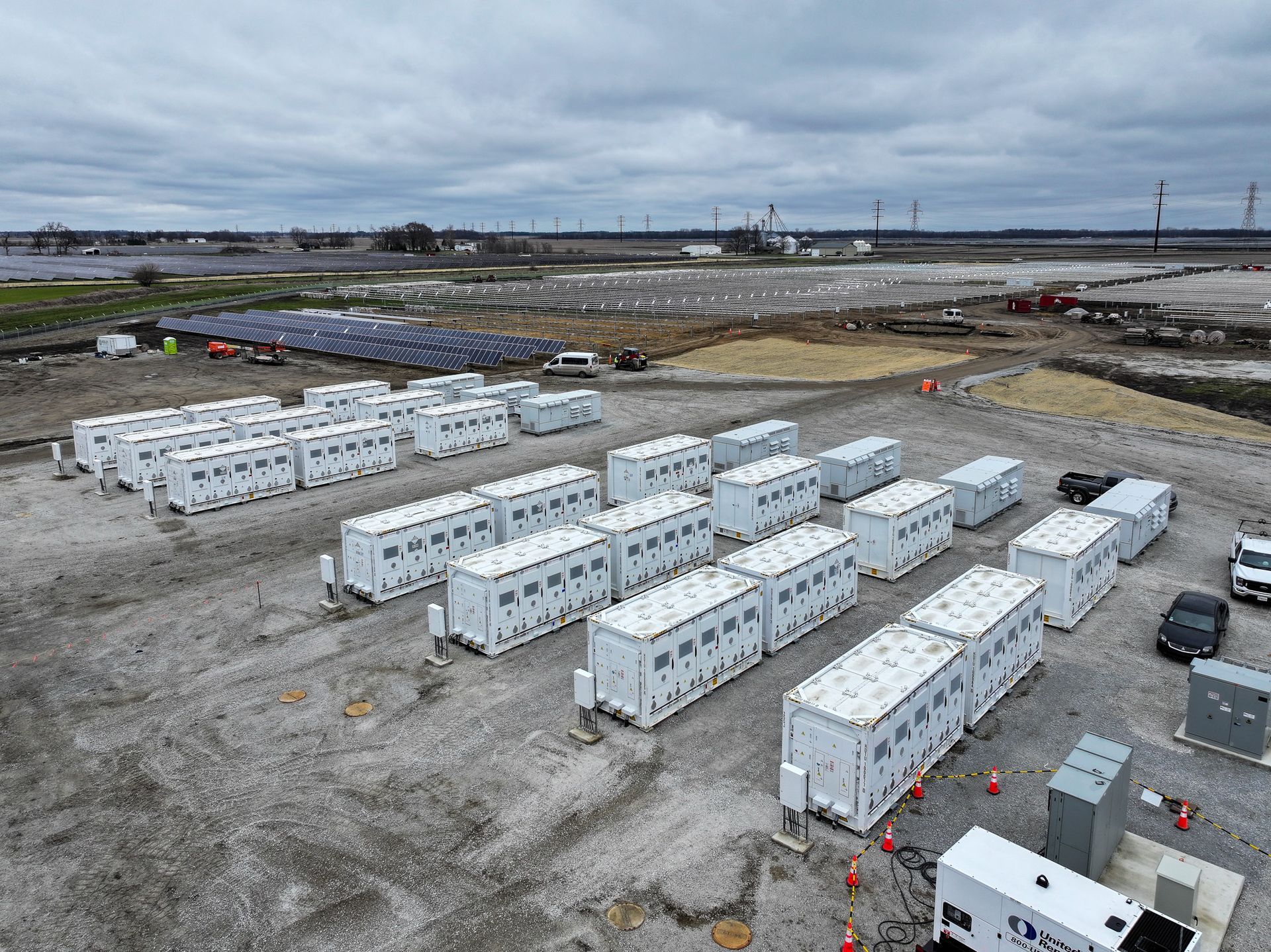
A Battery Energy Storage System (BESS) stores electricity for later use through large-scale battery technologies and supporting infrastructure. These battery energy storage systems can help stabilize the electrical grid, improve renewable energy integration, provide backup power, and manage peak demand.
Common BESS applications include:
- Utility-scale energy storage
- Renewable energy integration
- Grid stabilization
- Peak shaving and demand management
- Industrial and commercial power support
- Microgrid applications
Most utility-scale projects include battery containers or enclosures, inverters, transformers, control systems, and electrical infrastructure. Effective BESS equipment layout best practices begin with understanding these core elements.
Key Site Requirements for a Battery Energy Storage System
Selecting the right site can significantly affect project cost, constructability, operational efficiency, and long-term reliability. Several factors should be evaluated before development begins to meet battery energy storage system site requirements and align with the minimum requirements of most energy codes and standards are established by the authority having jurisdiction.
Available Land and Project Footprint
Battery storage facilities require adequate space not only for battery equipment, but also for supporting infrastructure and future expansion opportunities. Applying BESS equipment layout best practices supports safe clearances, maintainability, and efficient cable routing.
Site planning often includes space for:
- Battery containers or enclosures
- Inverters and transformers
- Substations
- Access roads
- Stormwater infrastructure
- Setback requirements
- Operations and maintenance access
- Future capacity expansion
Although bess systems typically require less land than large-scale generation facilities, layout efficiency remains important to satisfy battery energy storage system site requirements.
Utility Interconnection Access
One of the most important site considerations is proximity to electrical infrastructure for bess battery energy storage systems.
Project teams often evaluate:
- Existing substations
- Transmission infrastructure
- Distribution lines
- Available grid capacity
- Utility interconnection requirements
Sites with nearby electrical infrastructure may reduce costs and improve project feasibility. Because interconnection studies and utility approvals can affect schedules, early coordination is often beneficial to meet the minimum requirements of most energy codes and standards are relevant to the interconnection process.
Geotechnical and Soil Conditions
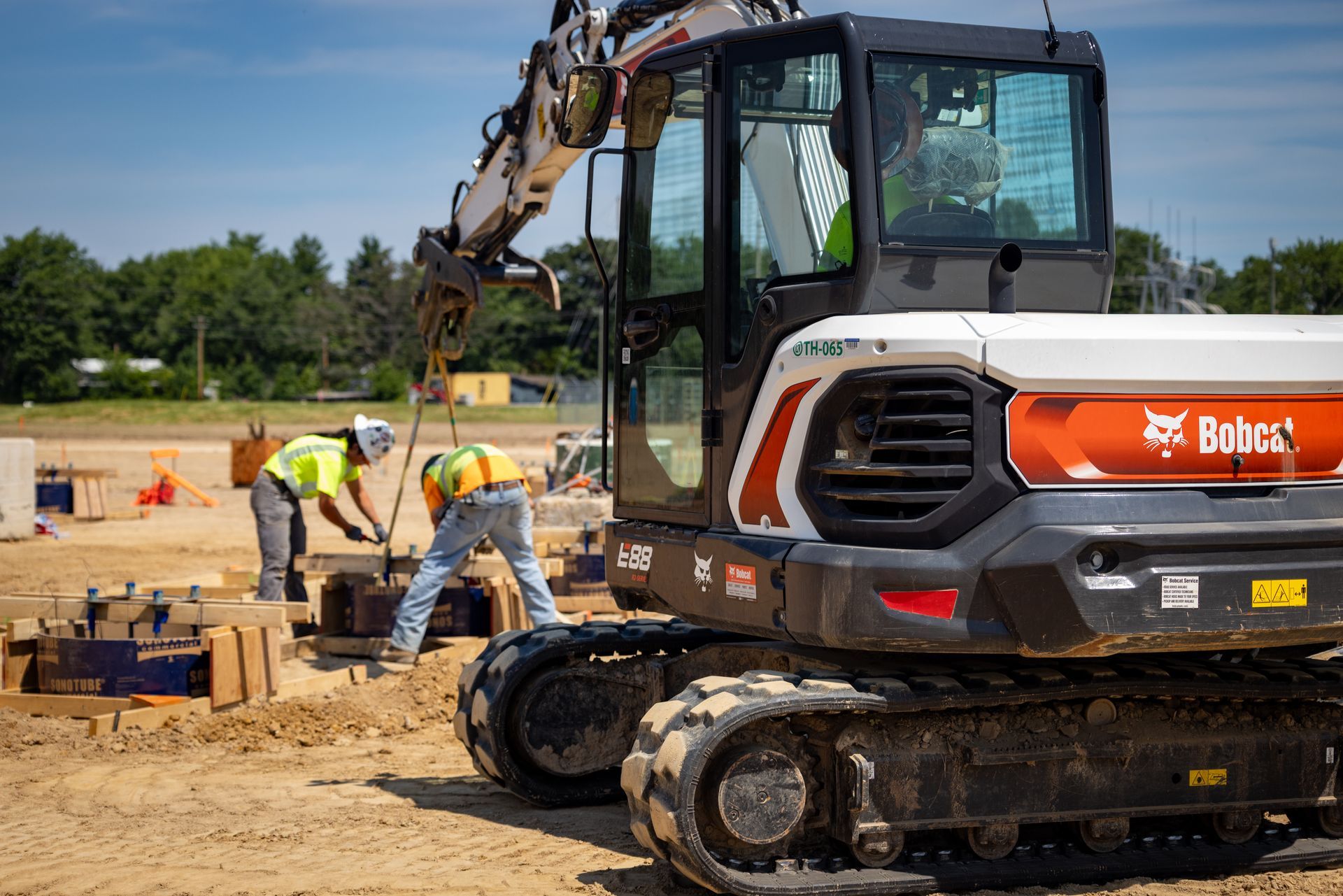
Subsurface conditions play a major role in site design and construction planning. BESS geotechnical considerations guide exploration scope and foundation selection for bess installation.
Geotechnical investigations may evaluate:
- Soil stability
- Bearing capacity
- Groundwater conditions
- Settlement risks
- Existing site conditions
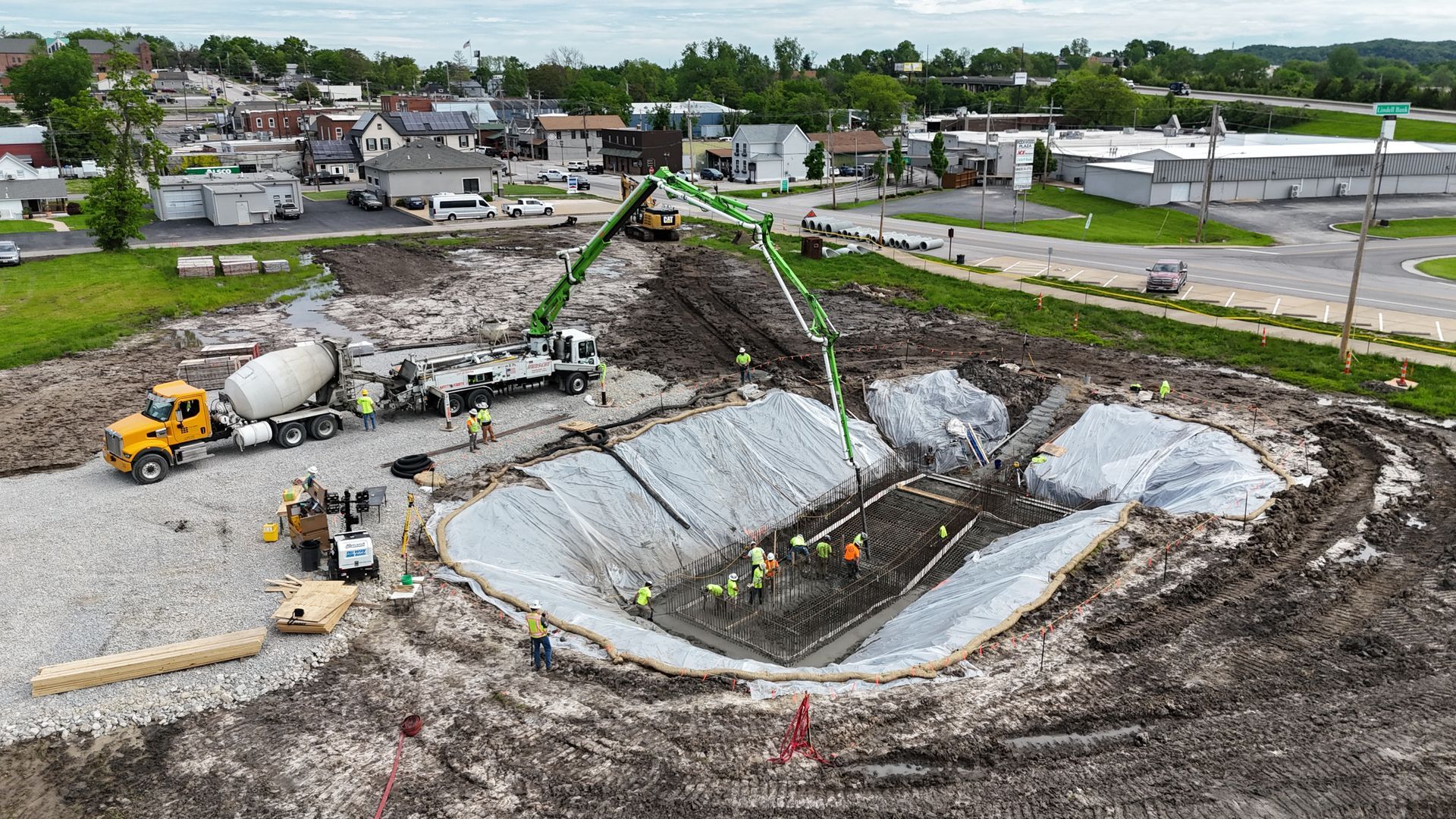
Poor soil conditions can increase civil work requirements and affect foundation design. Early investigations help identify potential challenges before construction begins and inform BESS foundation and civil requirements.
Drainage and Stormwater Management
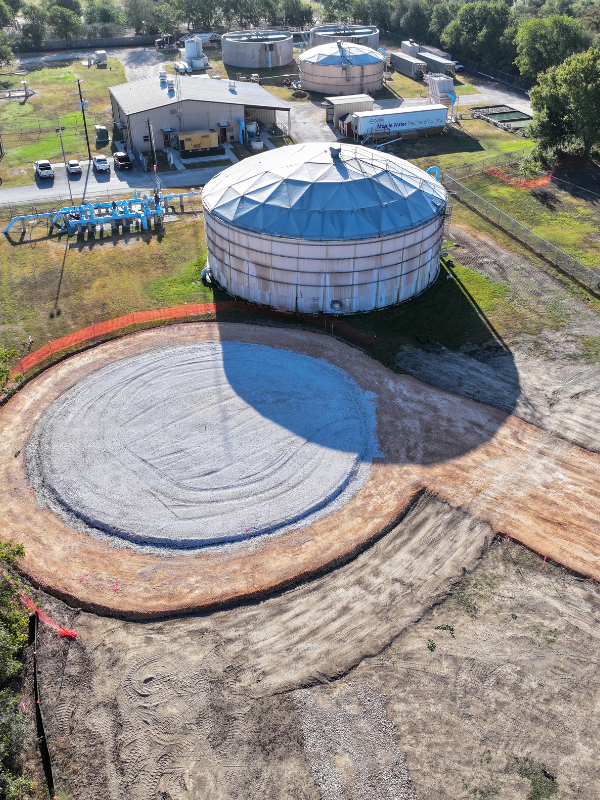
Battery storage sites must manage water effectively to protect equipment and maintain safe operations. Meeting BESS foundation and civil requirements typically includes robust drainage design aligned with battery energy storage system site requirements.
Stormwater planning often includes:
- Site grading strategies
- Drainage infrastructure
- Erosion control measures
- Water detention requirements
- Flood risk considerations
Sites within flood-prone areas may require additional mitigation measures, a key part of BESS geotechnical considerations and civil design.
Transportation and Site Access
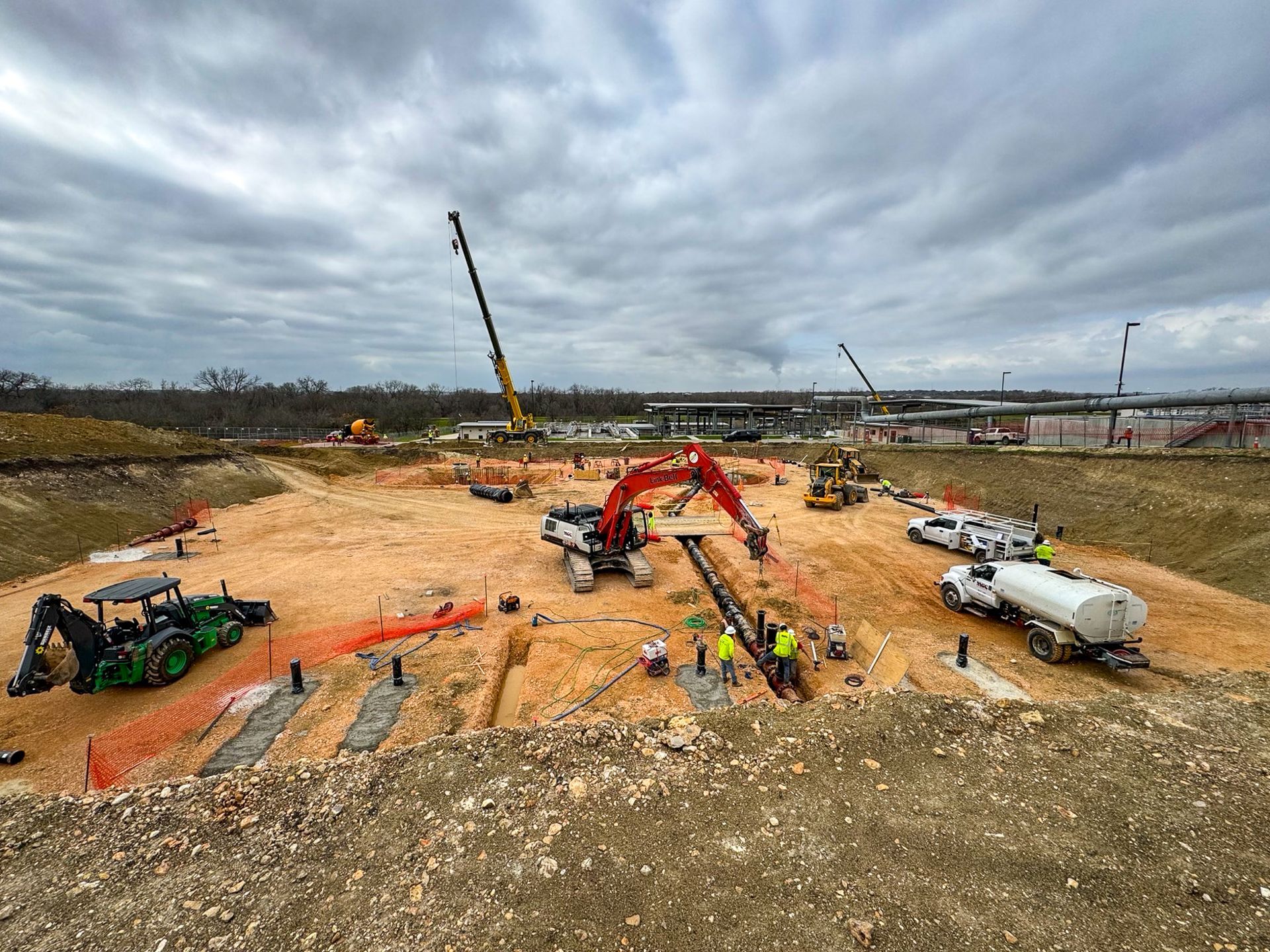
Large BESS projects involve transporting heavy and oversized equipment. Successful bess installation depends on safe, efficient delivery and staging.
Teams should evaluate:
- Road access
- Turning radii for large deliveries
- Bridge limitations
- Construction traffic routes
- Material staging areas
Battery containers and electrical equipment frequently require specialized transportation planning that aligns with BESS equipment layout best practices.
Safety and Setback Considerations
Safety planning represents a significant component of battery energy storage site selection. Battery energy storage system site requirements typically define clearances, access, and protection features.
Key considerations may include:
- Fire protection requirements
- Equipment spacing
- Emergency access routes
- Setback distances
- Local code requirements
- Separation from adjacent structures
Proper spacing and site layout can support safer operations and maintenance activities and help ensure bess battery energy storage systems comply with applicable codes.
Environmental and Permitting Requirements
Battery storage projects often require regulatory approvals before construction can begin. The battery energy storage system site requirements must align with environmental rules and the minimum requirements of most energy codes and standards are typically addressed through permitting.
Requirements may include:
- Environmental reviews
- Stormwater permits
- Local zoning approvals
- Utility coordination
- Noise studies
- Visual impact evaluations
Permitting requirements vary depending on project location and jurisdiction. Early coordination can reduce delays and improve schedule predictability for bess systems.
Common Site Challenges in BESS Projects
Battery energy storage developments frequently encounter unique project challenges.
Utility Coordination Complexity
Interconnection requirements can introduce schedule uncertainty and coordination challenges for bess installation.
Existing Site Constraints
Brownfield sites or active industrial locations may require additional planning to satisfy BESS foundation and civil requirements and BESS geotechnical considerations.
Equipment Procurement Timelines
Specialized electrical equipment can have extended lead times, influencing BESS equipment layout best practices during design.
Evolving Regulations
Battery storage technologies continue to develop, and codes may change alongside industry growth, affecting battery energy storage system site requirements.
Frequently Asked Questions
How much land does a battery energy storage system require?
Land requirements vary depending on system capacity, battery technology, and supporting infrastructure, but must accommodate BESS equipment layout best practices and BESS foundation and civil requirements.
Can BESS facilities be built near solar farms?
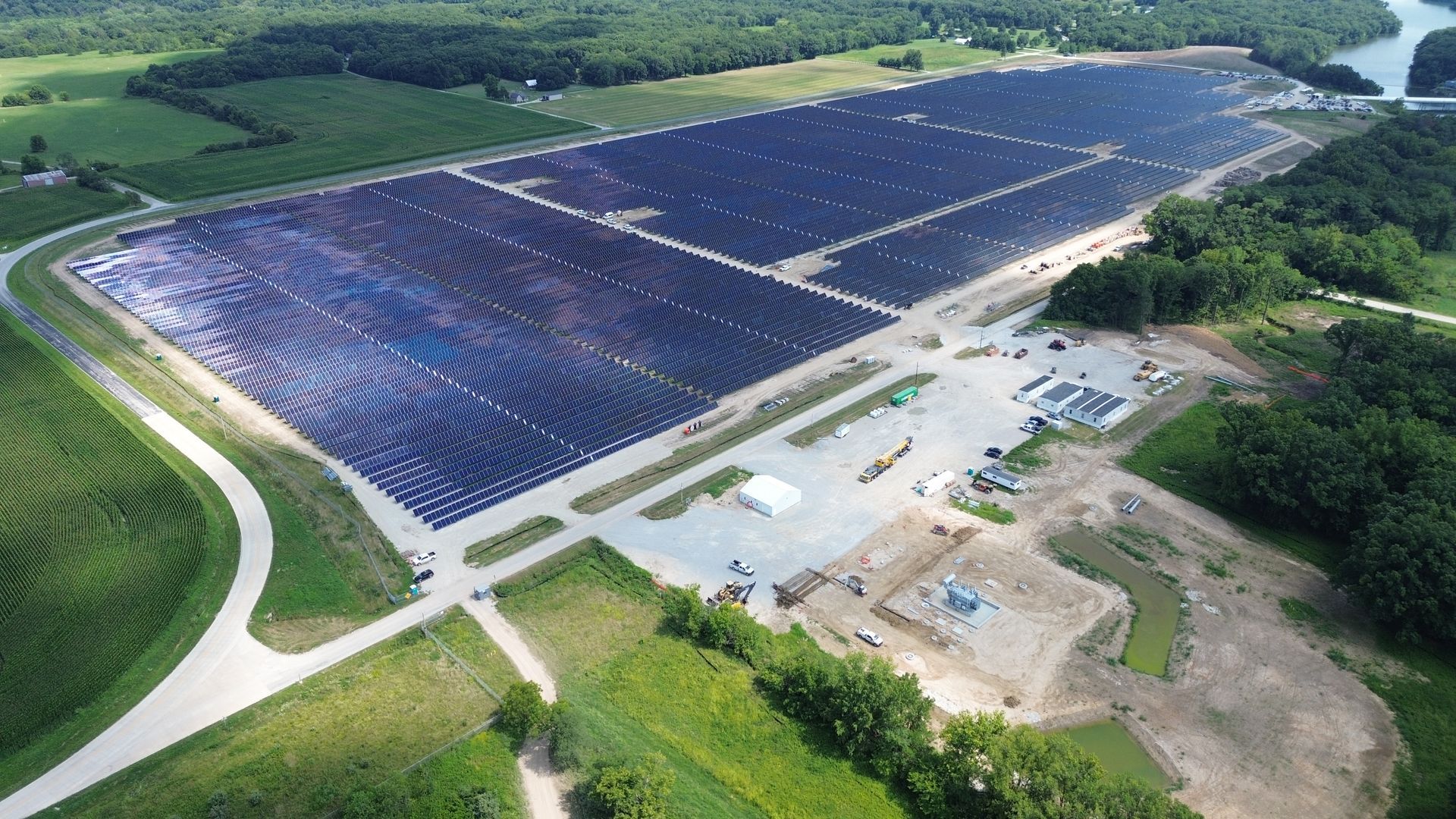
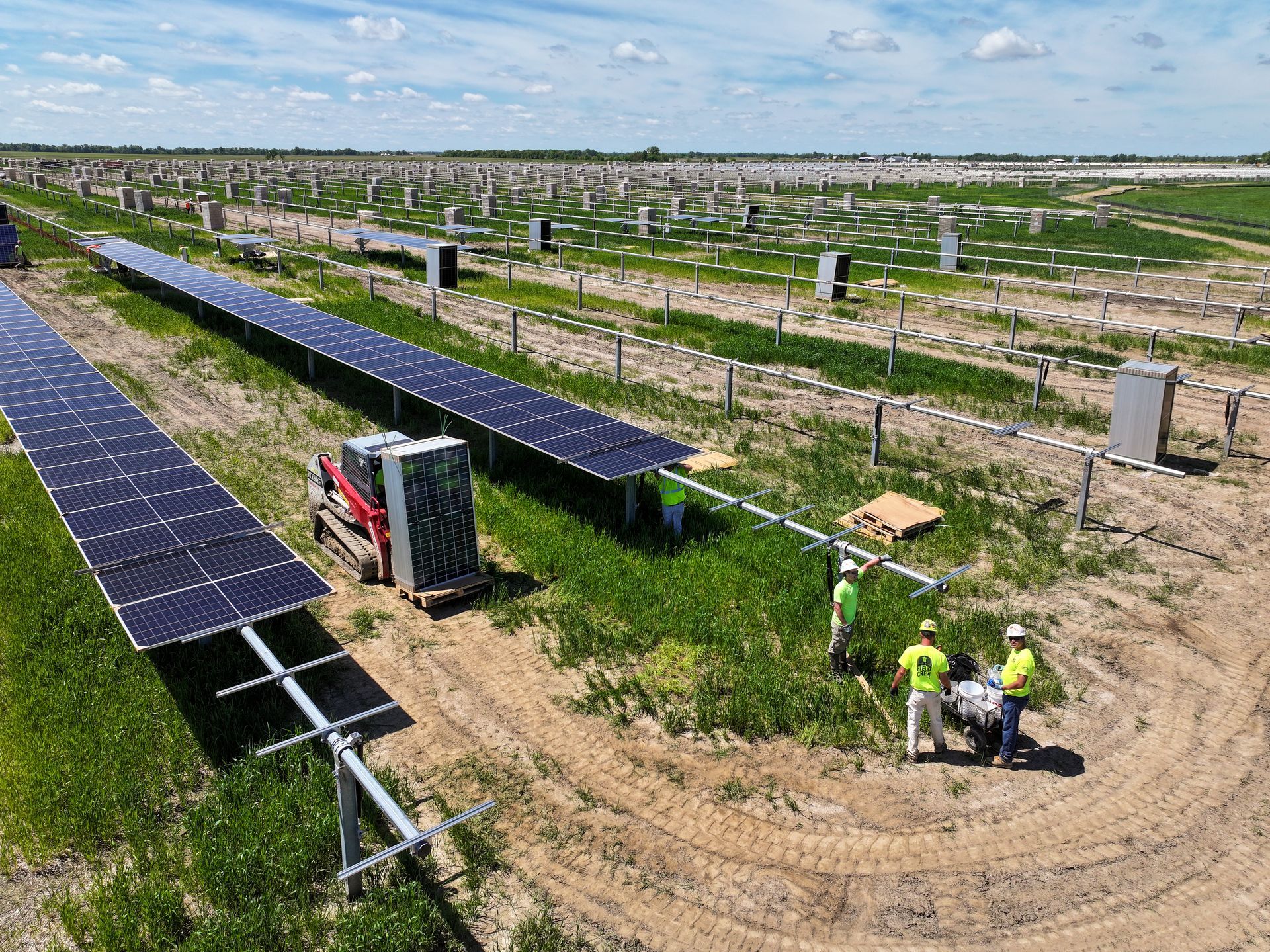
Yes. Battery energy storage systems are frequently co-located with renewable energy facilities to improve energy management and grid performance, streamlining bess installation and interconnection.
What are the biggest site risks for battery projects?
Common risks include utility interconnection delays, site access limitations, permitting requirements, and geotechnical challenges addressed by BESS geotechnical considerations.
Planning for Long-Term Success
Bess systems are becoming increasingly important as energy infrastructure evolves. While the technology itself receives much of the attention, project success often begins with selecting the right site and understanding broader infrastructure needs for bess battery energy storage systems.
Early planning, stakeholder coordination, and proactive evaluation of battery energy storage system site requirements can help create a smoother path from development through construction and operation.