How Are Solar Farms Constructed? A Step-by-Step Guide
What Is a Solar Farm?
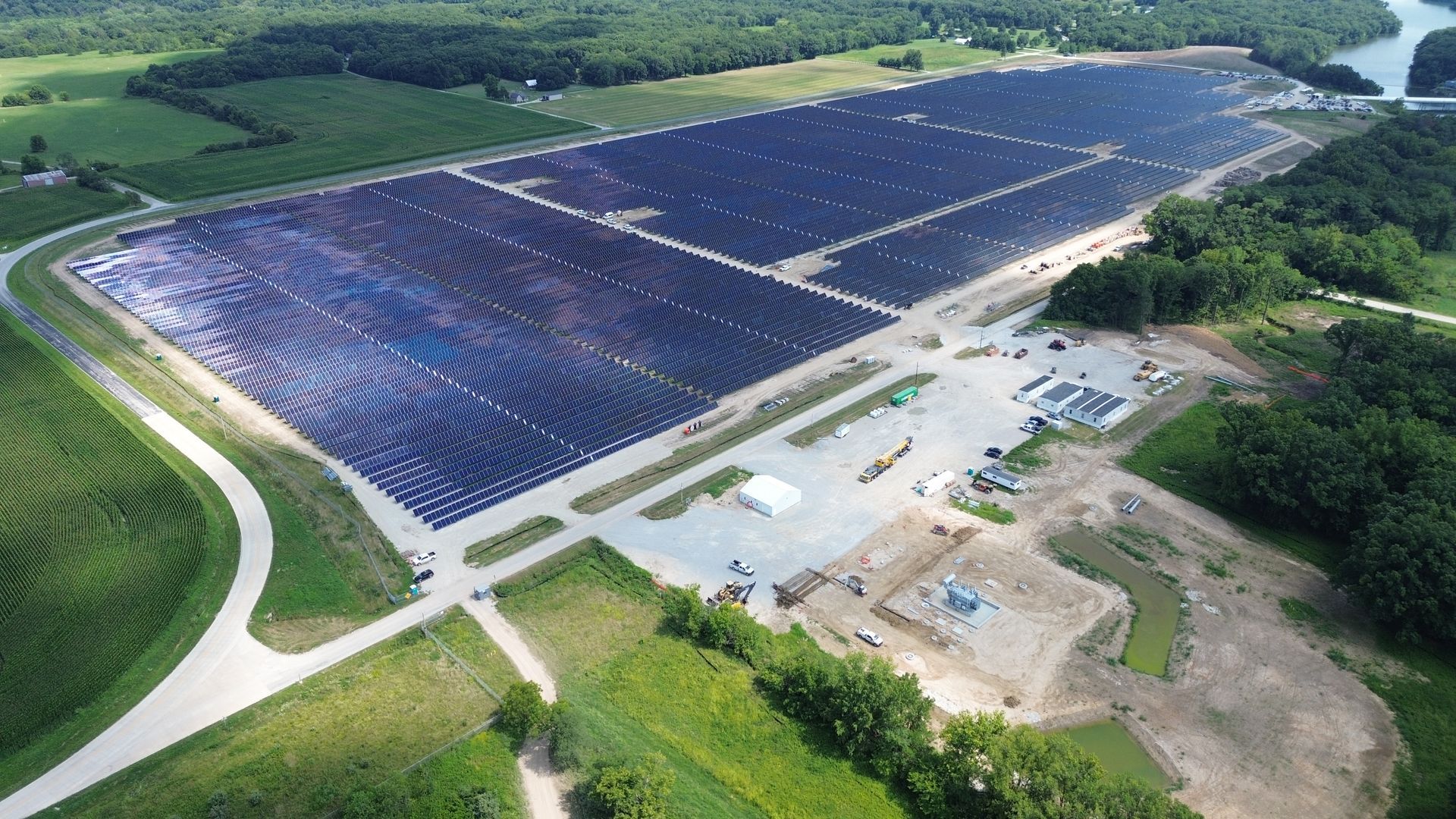
A solar farm is a large-scale energy facility designed to generate electricity using photovoltaic (PV) panels that convert sunlight into usable power. Solar farms range in size from smaller community-scale developments to utility-scale installations spanning hundreds or thousands of acres, and their success depends on effective solar farm construction and long-term solar farm operations and maintenance.
Common solar project types include:
- Utility-scale solar farms
- Community solar projects
- Industrial and commercial solar installations
- Agrivoltaic projects that combine farming and energy generation
Electricity generated by the facility is transmitted to the power grid through substations and utility interconnections as part of comprehensive solar field construction.
Step 1: Site Selection and Land Evaluation
The construction process begins long before equipment arrives onsite and is essential to how to build a solar farm efficiently.
Selecting the right location can significantly affect project cost, schedule, and long-term performance for solar farm construction companies and solar farm contractors.
Project teams typically evaluate:
- Available acreage
- Solar exposure and sunlight conditions
- Topography and grading requirements
- Environmental impacts
- Existing utility infrastructure
- Soil and geotechnical conditions
- Access roads and transportation logistics
- Proximity to transmission lines
Developers often prioritize sites with strong solar resources and nearby utility access to reduce infrastructure costs and streamline solar field construction.
Step 2: Environmental Reviews and Permitting
Solar projects frequently require approvals from multiple agencies and jurisdictions before construction begins, and experienced solar farm contractors manage these efforts.
Permitting activities may include:
- Environmental assessments
- Stormwater management planning
- Local zoning approvals
- Utility coordination
- Wetland and habitat studies
- State and federal regulatory requirements
Permitting timelines can become a major driver of the overall project schedule, making early planning critical for solar farm construction companies.
Step 3: Engineering and Design
Once a site moves forward, engineering teams develop detailed project plans that inform how to build a solar farm from the ground up.
Design efforts often include:
Civil Design
- Site grading
- Drainage systems
- Erosion control measures
- Access roads
Structural Design
- Foundation systems
- Racking structures
- Wind and load calculations
Electrical Design
- Panel layouts
- Inverters
- Collection systems
- Substations
- Utility interconnection infrastructure
Because utility coordination can affect schedules, early collaboration among stakeholders can reduce future delays during solar farm construction.
Step 4: Site Preparation and Civil Construction
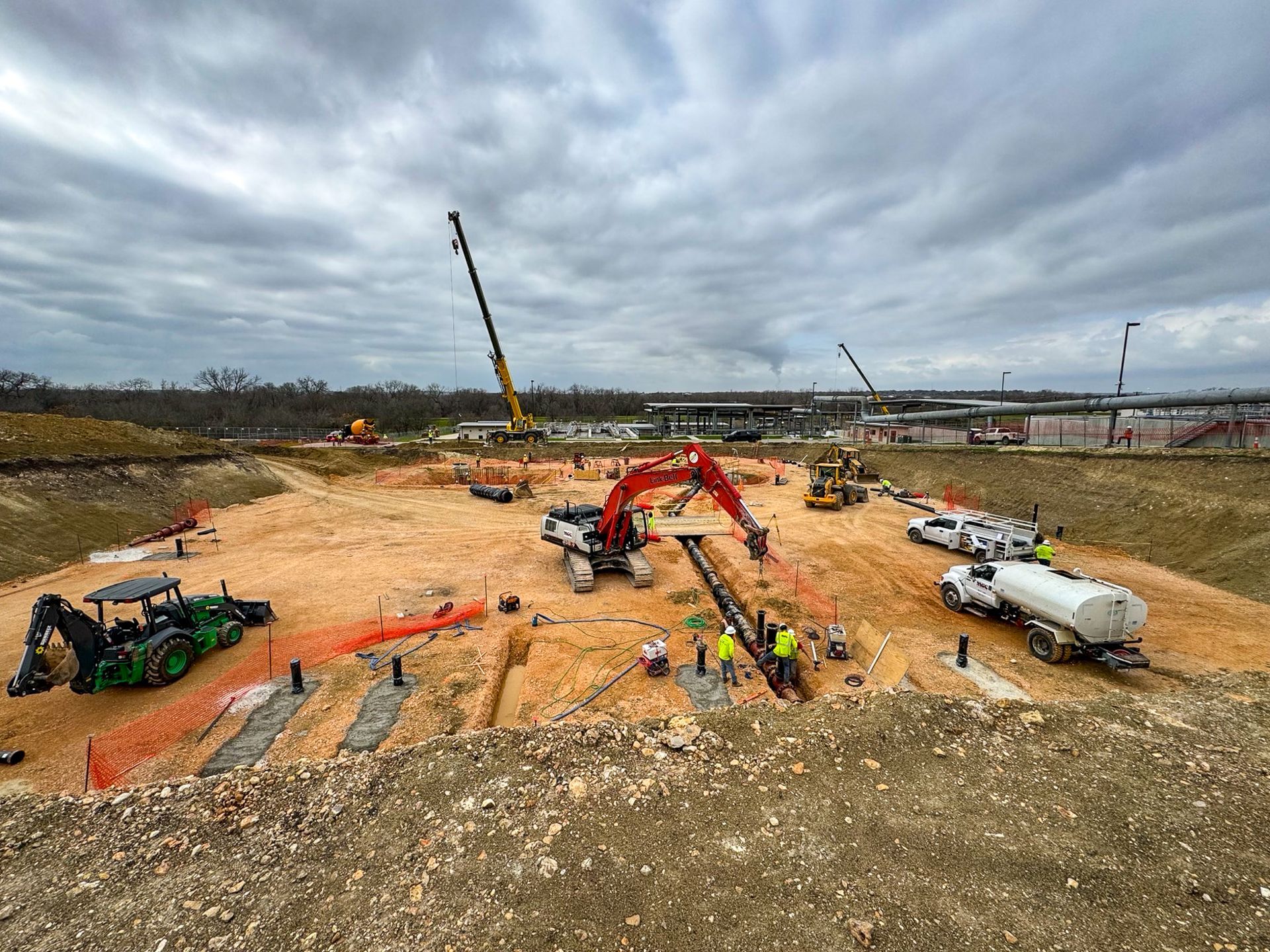
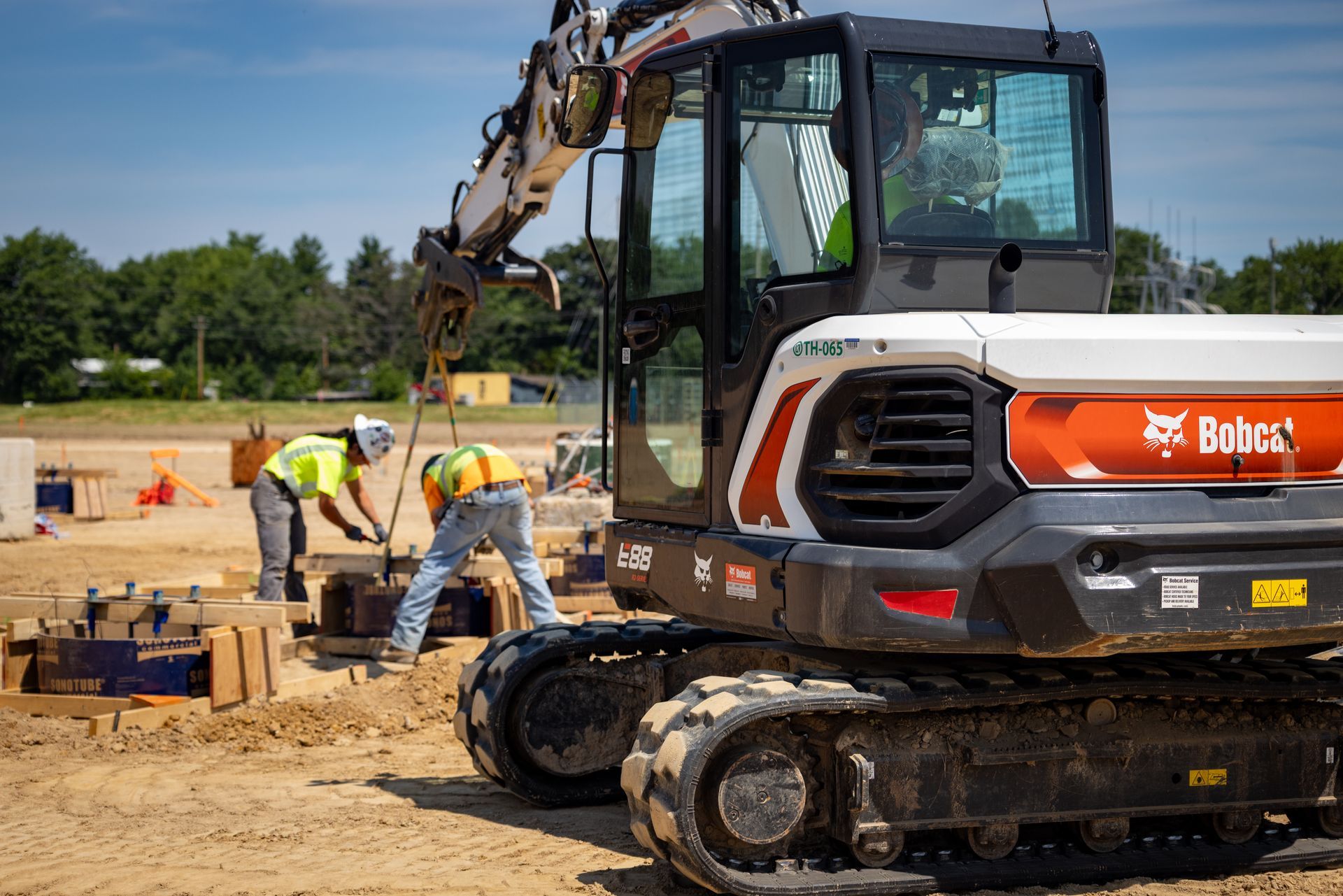
Before panels are installed, crews prepare the site for construction activities, an essential phase of solar field construction.
Common early construction activities include:
- Clearing and grubbing vegetation
- Earthwork and grading
- Temporary construction access roads
- Drainage installation
- Erosion control measures
- Utility relocation if necessary
Large solar sites often require substantial earthmoving efforts to establish stable conditions for long-term performance and smooth solar racking installation.
Step 5: Installing Foundations and Racking Systems
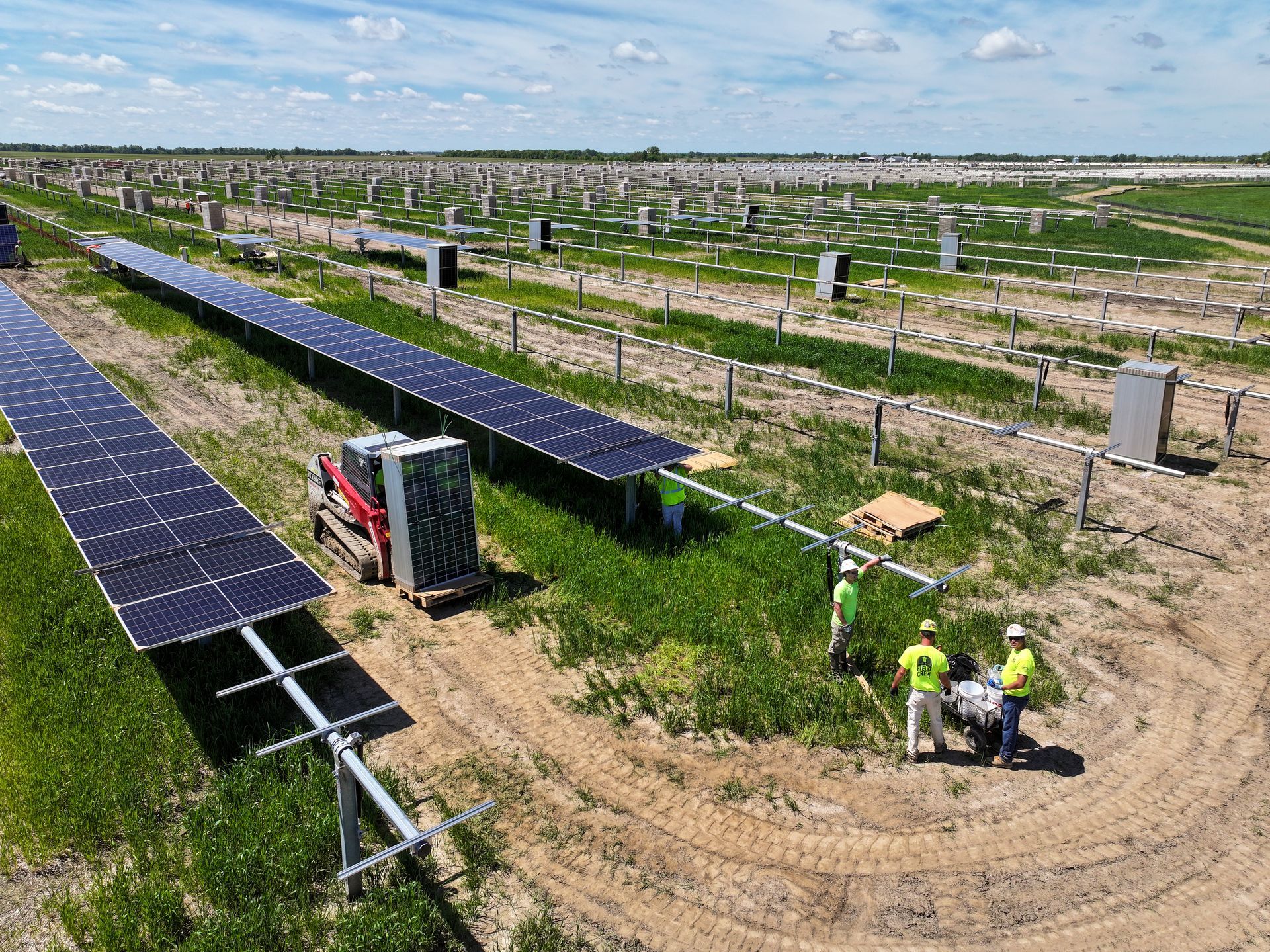
Solar panels require support structures that anchor the system to the ground, making precise solar racking installation critical.
Depending on project conditions, crews may install:
- Driven piles
- Ground screws
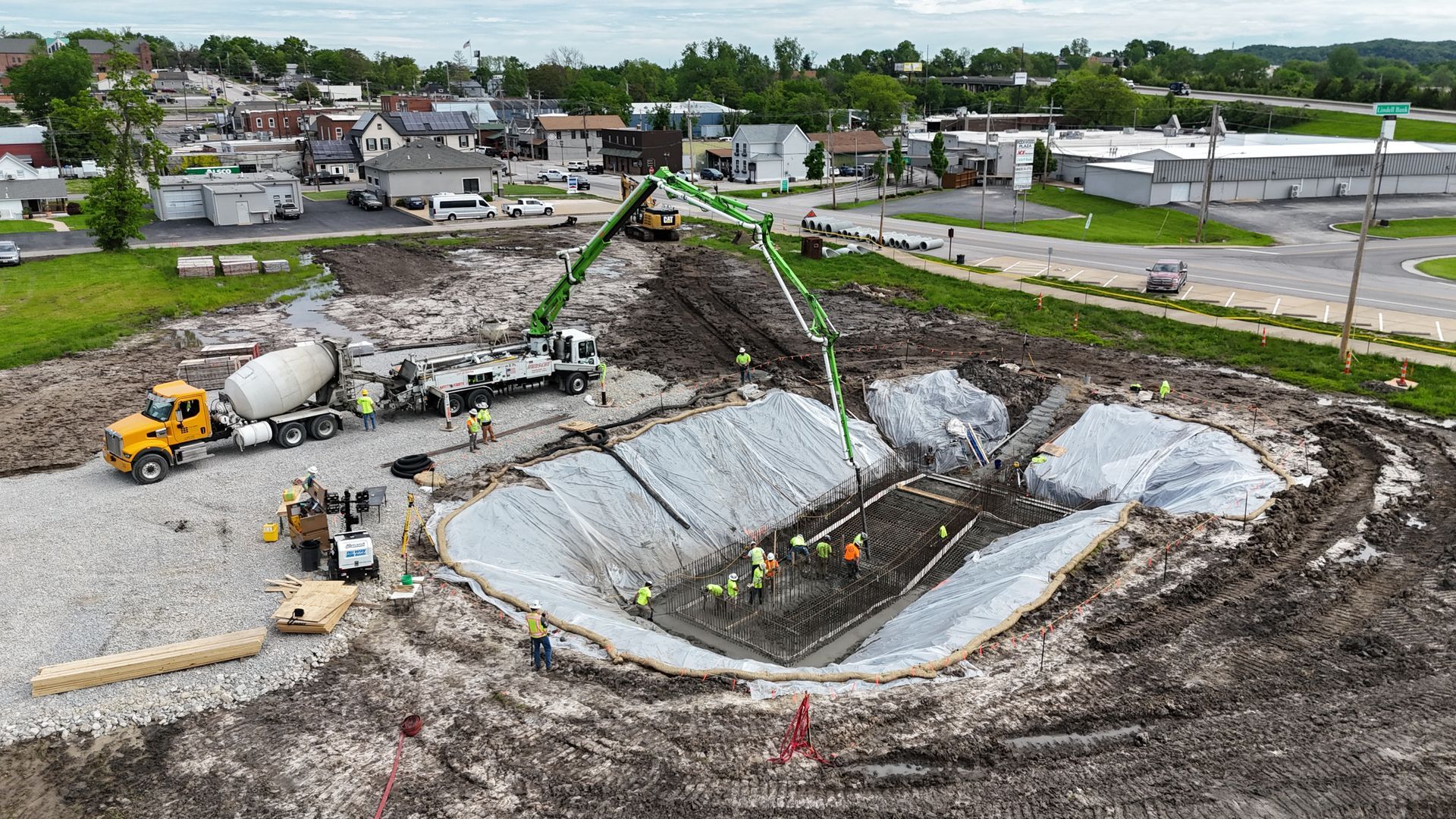
- Concrete foundations
- Ballasted systems
After foundations are installed, teams assemble the racking systems that will support solar panels as part of solar farm construction.
Some projects use fixed-tilt systems, while others install single-axis tracking systems that follow the sun throughout the day to maximize energy production.
Step 6: Solar Panel and Electrical Installation
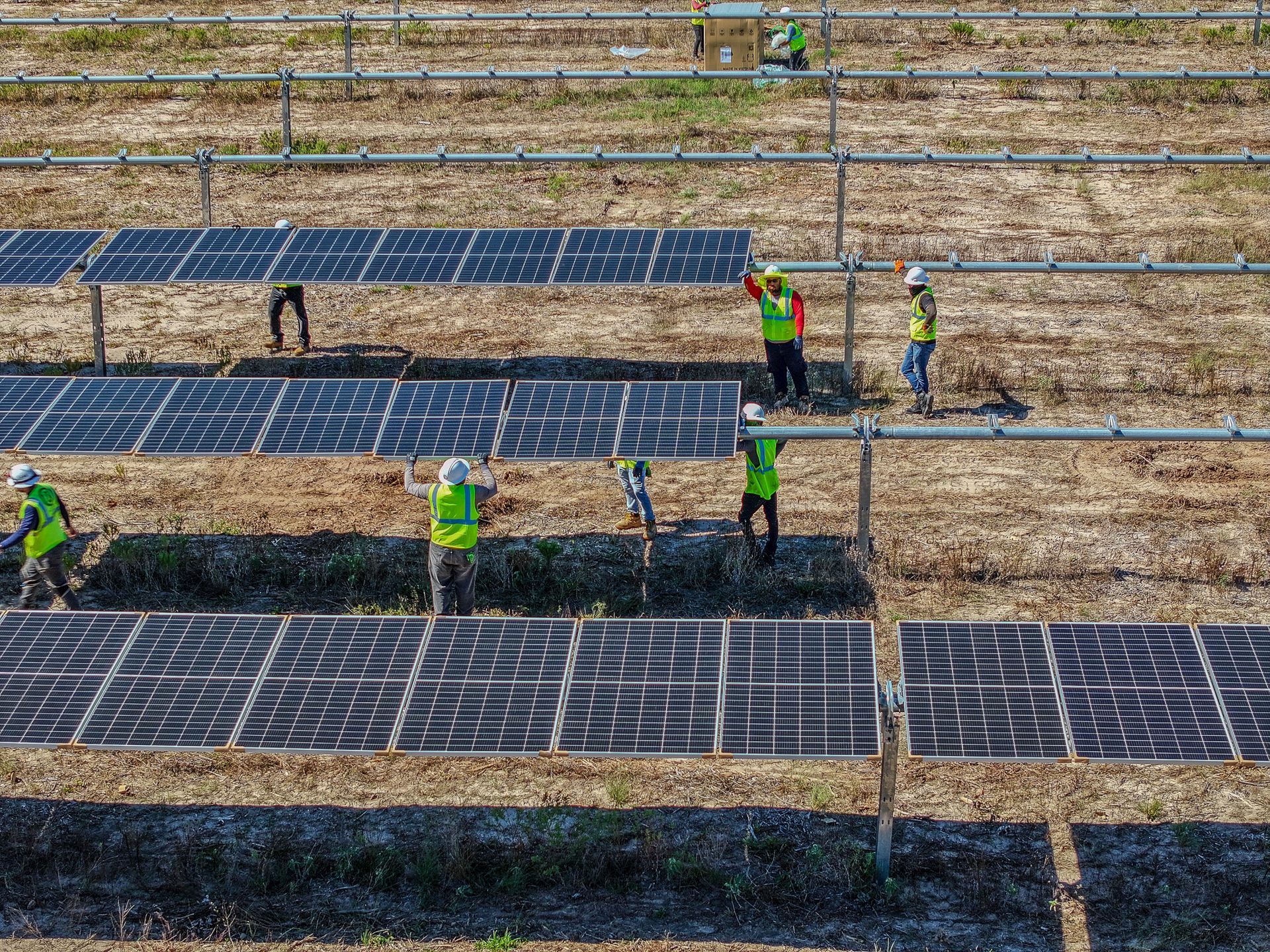
With structural systems in place, installation crews begin placing photovoltaic panels.
This phase typically includes:
- Solar panel installation
- Inverter installation
- DC and AC electrical systems
- Underground collection systems
- Cable management systems
- Transformer installation
Electrical coordination becomes increasingly important as multiple crews work simultaneously across large sites, guided by experienced solar farm construction companies.
Step 7: Utility Interconnection and Substation Construction
Generating electricity is only part of the process—the energy must also be delivered to the grid.
Solar projects often require:
- New substations
- Utility upgrades
- Transmission line connections
- Testing and utility approvals
Interconnection work frequently becomes one of the most schedule-sensitive aspects of the project for solar farm contractors.
Step 8: Testing and Commissioning
Before a solar farm becomes operational, teams complete testing and commissioning activities.
This process may include:
- Equipment inspections
- Electrical testing
- Performance verification
- Utility coordination
- Safety reviews
Commissioning ensures all systems operate properly before the project begins generating power and transitions into solar farm operations and maintenance.
Common Challenges During Solar Farm Construction
Large-scale solar projects often involve unique construction challenges that impact solar farm construction schedules.
Long Equipment Lead Times
Panels, transformers, and specialized electrical equipment may require extensive procurement planning.
Weather Conditions
Rain, wind, and seasonal conditions can affect productivity and schedules.
Site Logistics
Large project footprints can create challenges for material movement and workforce coordination.
Utility Coordination
Interconnection requirements and utility schedules often affect project timing.
Frequently Asked Questions
How long does it take to build a solar farm?
Project schedules vary depending on project size, permitting requirements, utility coordination, and site conditions. Construction may range from several months to more than a year, especially for complex solar field construction.
How much land does a solar farm require?
Utility-scale solar farms can require significant acreage depending on capacity, equipment type, and site layout, which informs how to build a solar farm effectively.
Do solar farms require a lot of maintenance?
After construction, solar facilities typically require ongoing vegetation management, panel inspections, equipment maintenance, and monitoring. Robust solar farm operations and maintenance plans help maximize performance and reliability.
Building Energy Infrastructure for the Future
As renewable energy development continues to grow, solar farms are becoming an increasingly important part of the energy landscape. Successful projects depend on careful planning, early coordination, and experienced teams capable of navigating complex site, utility, and construction requirements, including expert solar racking installation and management by skilled solar farm construction companies.
Understanding how solar farms are constructed can help owners and stakeholders create a stronger path from concept to operation, while partnering with proven solar farm contractors who know how to build a solar farm and support long-term solar farm operations and maintenance.