By Sofia Wojtal
•
July 1, 2026
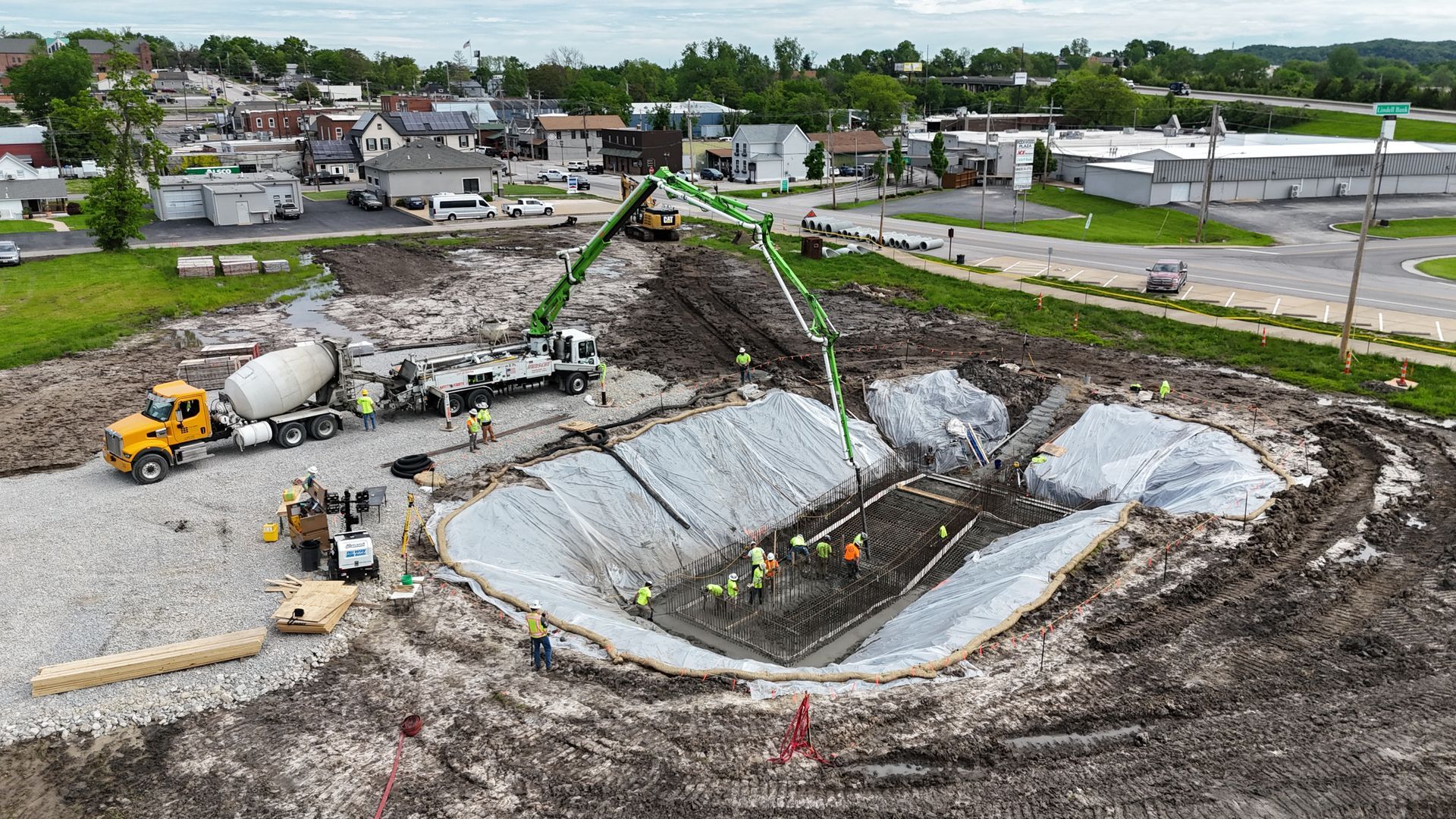
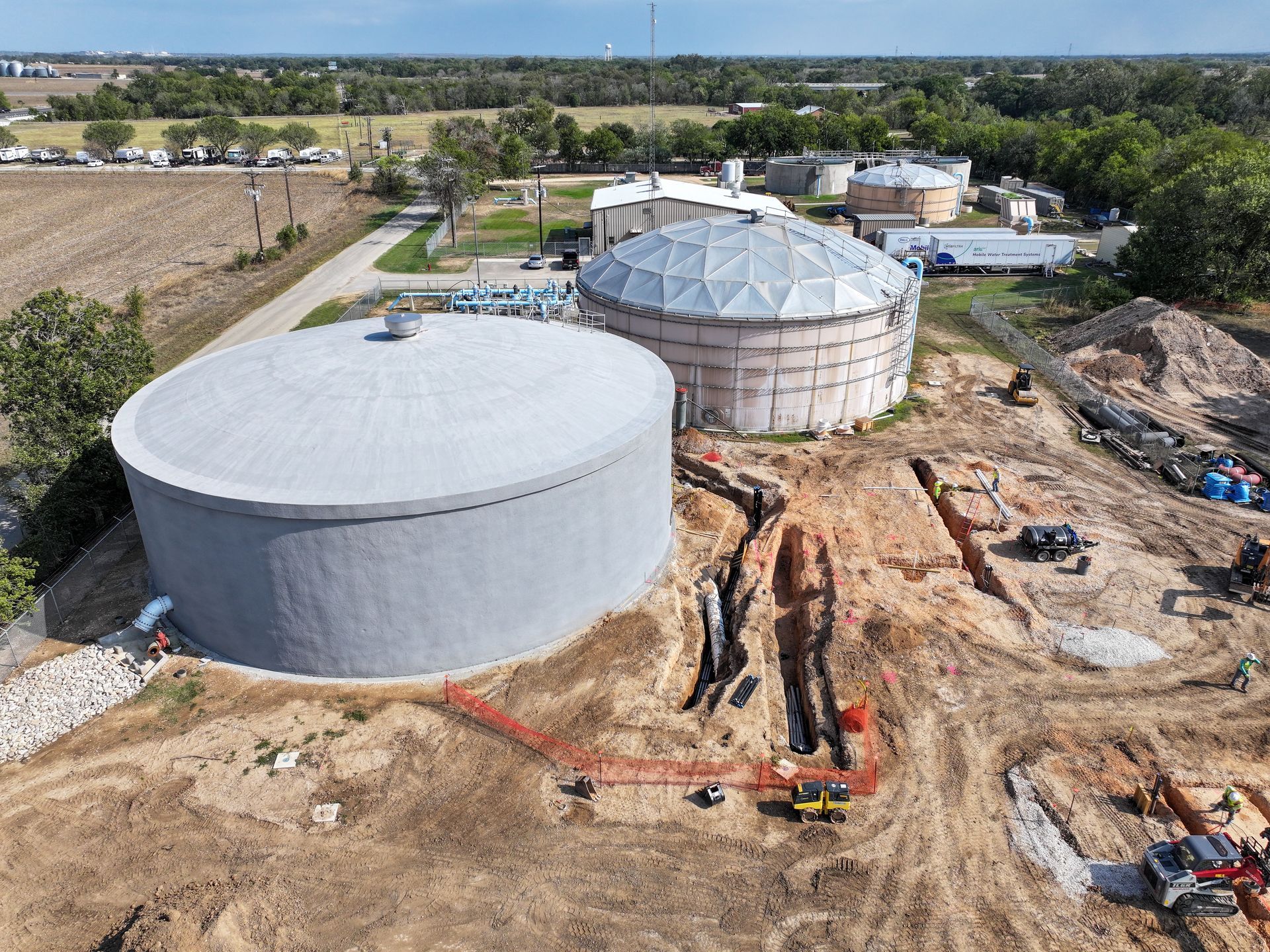
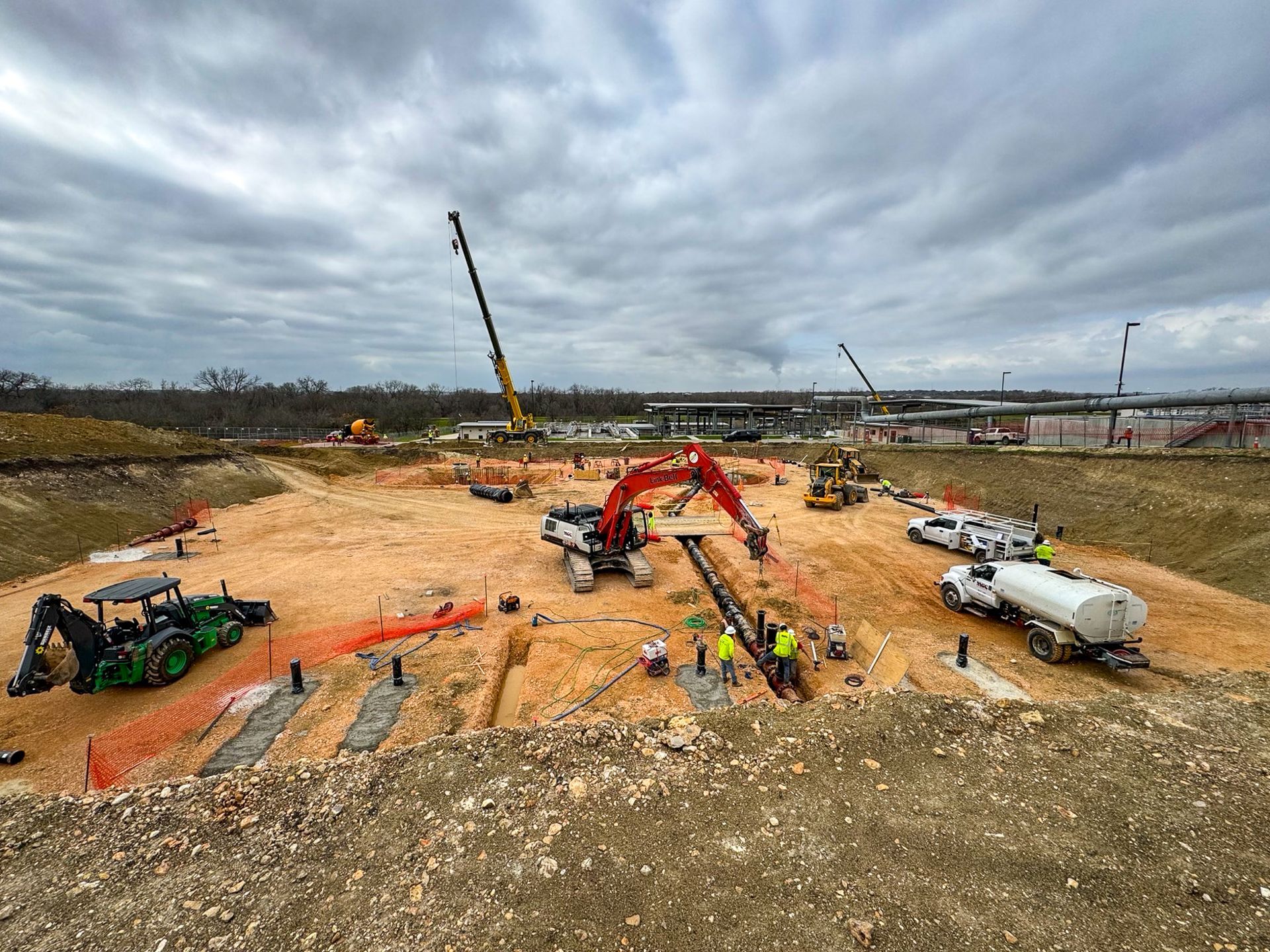
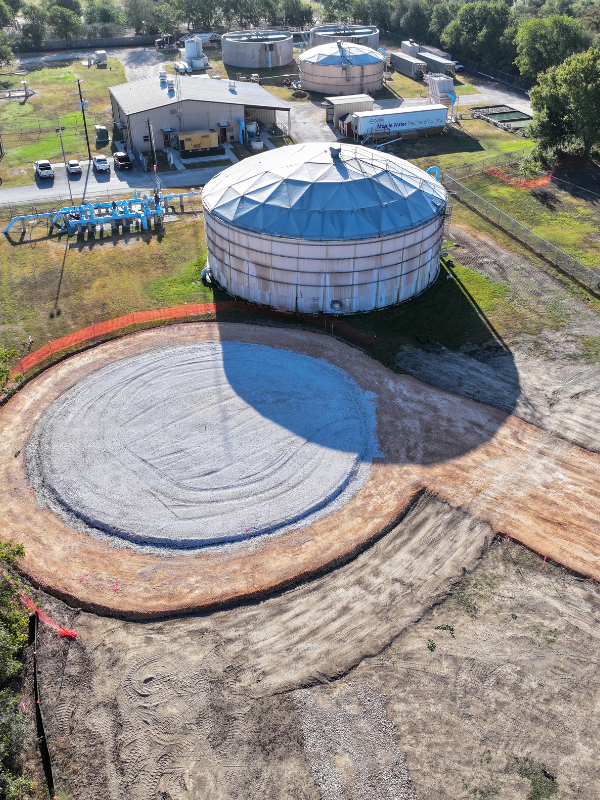
Booster pump stations are essential for maintaining water pressure, increasing system capacity, and supporting community growth. A booster pump station is a facility within water pumping stations that boosts pressure using one or more pumps controlled by variable frequency drives to meet fluctuating demand. Water enters the station at a lower pressure, passes through pumps sized to provide the required head, and is discharged at higher pressure to serve the system. Whether you’re expanding a municipal water system, serving a new development, or upgrading aging infrastructure, a new water booster station is a significant investment that requires careful planning and sound booster pump station design. One of the first questions owners ask is: “How much will a new booster pump station cost?” The answer depends on several factors, including pumping capacity, site conditions, equipment requirements, electrical infrastructure, and whether the project is new construction or an upgrade to an existing system. Because every project is unique, contractors typically prepare customized estimates based on your specific design and operational needs for booster pump station construction. What Is Included in a Booster Pump Station? A modern water booster station includes much more than pumps. Typical project components include: Pump station building or enclosure Booster pumps and motors Variable frequency drives (VFDs) Suction and discharge piping Valves and valve vaults Electrical service Backup generator SCADA and control systems Site grading and drainage Concrete foundations Security fencing Access roads and paving Depending on the project, storage tanks, pressure tanks, or additional utility improvements may also be included. These elements are typical of water pumping stations and drive booster pump station construction scope. Typical Booster Pump Station Costs Every project is different, but planning-level estimates show that booster pump stations often range from approximately $1 million to more than $2 million for many municipal applications, with larger or more complex facilities exceeding those ranges. Capacity, pumping head, building requirements, standby power, and site conditions all have a significant impact on cost. Rather than focusing on an average price, most owners benefit from obtaining a project-specific budget based on preliminary engineering information and early booster pump station design input. When Is a Booster Pump Station Required? A booster pump station is typically required when source or upstream pressures cannot meet minimum service pressure, when elevation changes create insufficient head, when peak demands exceed gravity supply, or when a new pressure zone is established. In growing areas, water pumping stations add capacity and stabilize pressure for new developments and fire flow. Retrofit projects also add a water booster station to replace aging equipment or meet updated codes. How to Size and Design a Booster Pump Station Sizing begins with hydraulic requirements: design flow (average, peak hour, and fire flow), required discharge pressure, static and dynamic head, and anticipated losses. Engineers select the number of pumps (typically duty/standby/lag), pump curves, and VFD control strategies to match variable demand. Storage and surge considerations, NPSH at the suction, and future expansion are incorporated into booster pump station design. For buildings or communities, capacity is calculated from fixture units, population, diurnal curves, and fire protection needs, then cross-checked against distribution modeling. Design Standards and Components for Construction Main components of booster pump station construction include pumps and motors, VFDs, valves, piping, instrumentation, MCCs, SCADA, power and backup generation, structural foundations, and enclosures. Typical design standards for booster pump stations follow local and state waterworks codes, AWWA guidelines, NFPA fire flow criteria, electrical codes (NEC), and best practices for redundancy (at least one standby pump), ease of maintenance (clearances, hoists), and resiliency (backup power and cybersecurity for controls). Siting considers flood elevation, access, ventilation, noise, and odor control, consistent with modern water pumping stations. What Affects the Cost of a Booster Pump Station? Pumping Capacity The required flow rate is one of the largest cost drivers. Larger systems generally require larger pumps, additional motors, larger piping, increased electrical capacity, and more robust controls. As capacity increases, construction costs typically increase as well. Site Conditions Construction costs can vary depending on soil conditions, rock excavation, groundwater levels, site access, existing utilities, and drainage requirements. Difficult site conditions often increase excavation and foundation costs for water booster station projects. Building Requirements Some stations include pre-engineered or masonry buildings, architectural finishes, and climate-controlled equipment rooms. The building type can significantly influence the total project budget. Electrical and Control Systems Modern stations typically include VFDs, motor control centers, SCADA integration, instrumentation, and backup power systems. Automation improves performance but affects cost. Backup Power Many municipal stations require standby generators to maintain service during power outages. Including emergency power increases initial costs while improving reliability. Information Contractors Need to Prepare a Quote Project location, service area, and existing utility information Design flow, required pressure, pumping head, and future expansion plans Preliminary engineering plans, site surveys, utility plans, and geotechnical reports Operational needs: redundancy, generator, SCADA preferences, and schedule The more information available during planning, the more accurate the estimate will be for booster pump station construction. Why Early Contractor Involvement Matters Many owners involve a construction partner before final design. Early collaboration helps develop realistic budgets, improve constructability, identify site challenges, coordinate procurement, optimize sequencing, and reduce schedule risk—resulting in smoother delivery of water pumping stations. Why Choose Keeley Construction Keeley Construction provides comprehensive water infrastructure services for municipalities, utilities, and industrial clients. Our Water & Wastewater Group constructs booster pump stations, pump stations, water treatment facilities, underground utilities, process piping, structural concrete, and related infrastructure. By self-performing key activities—excavation, concrete, underground utilities, and civil work—Keeley maintains greater control over quality, safety, scheduling, and coordination. This approach reduces risk and delivers reliable water booster station projects built for long-term performance. Frequently Asked Questions How much does a new booster pump station cost? Planning-level costs for municipal stations commonly begin around $1 million and can exceed $2 million or more, depending on capacity, building requirements, site conditions, backup power, and controls. A detailed estimate should be based on your project’s specific booster pump station design criteria. How long does it take to build a booster pump station? Schedules vary based on permitting, equipment lead times, site conditions, and complexity, but many projects require several months from groundbreaking through commissioning. What information is needed to request a quote? Contractors typically need the project location, required flow and pressure, preliminary design information, site conditions, utility requirements, and the desired construction schedule to prepare an accurate estimate for booster pump station construction. Partner With Keeley on Your Next Water Infrastructure Project A booster pump station is a long-term investment in the reliability and resilience of your water distribution system. Selecting an experienced partner early can improve budget accuracy, streamline construction, and help ensure the facility performs as intended for decades to come. Whether you’re building a new booster pump station, expanding an existing water system, or supporting a growing industrial facility, Keeley Construction has the expertise and self-perform capabilities to take your project from concept to completion.