Why Is Aeration Equipment Used in Wastewater Systems?
What Is Aeration in Wastewater Treatment?
Aeration is the process of introducing oxygen into wastewater during biological treatment.
The added oxygen supports microorganisms that consume and break down organic pollutants found in wastewater.
These microorganisms help remove:
- Organic waste
- Suspended solids
- Nutrients
- Biological contaminants
Aeration is commonly used in activated sludge systems and other biological treatment processes throughout municipal and industrial wastewater facilities.
Why Is Oxygen Important in Wastewater Treatment?
The microorganisms responsible for biological treatment require oxygen to survive and function effectively.
When sufficient oxygen is available, these microorganisms can:
- Break down organic matter
- Reduce biochemical oxygen demand (BOD)
- Improve treatment efficiency
- Support nutrient removal processes
Without adequate oxygen levels, treatment performance can decline and water quality may suffer.
How Aeration Equipment Works
Aeration equipment transfers oxygen from the air into wastewater.
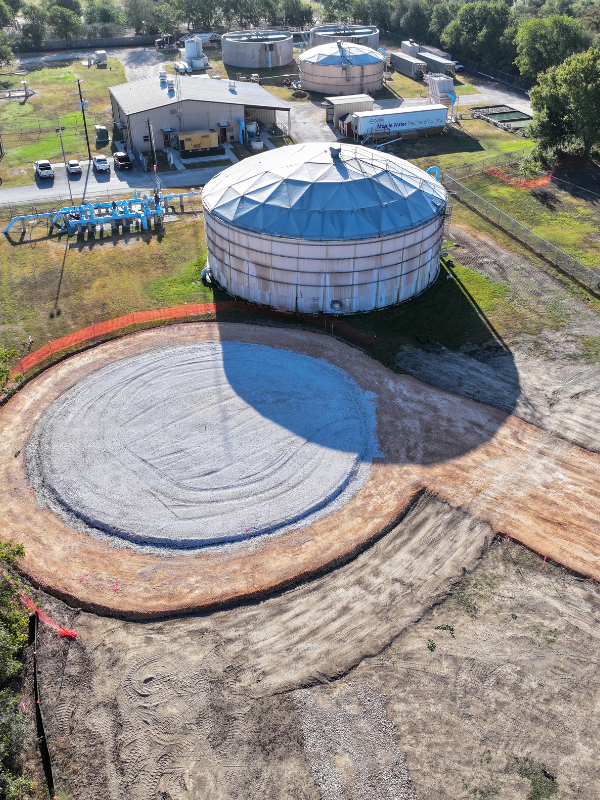
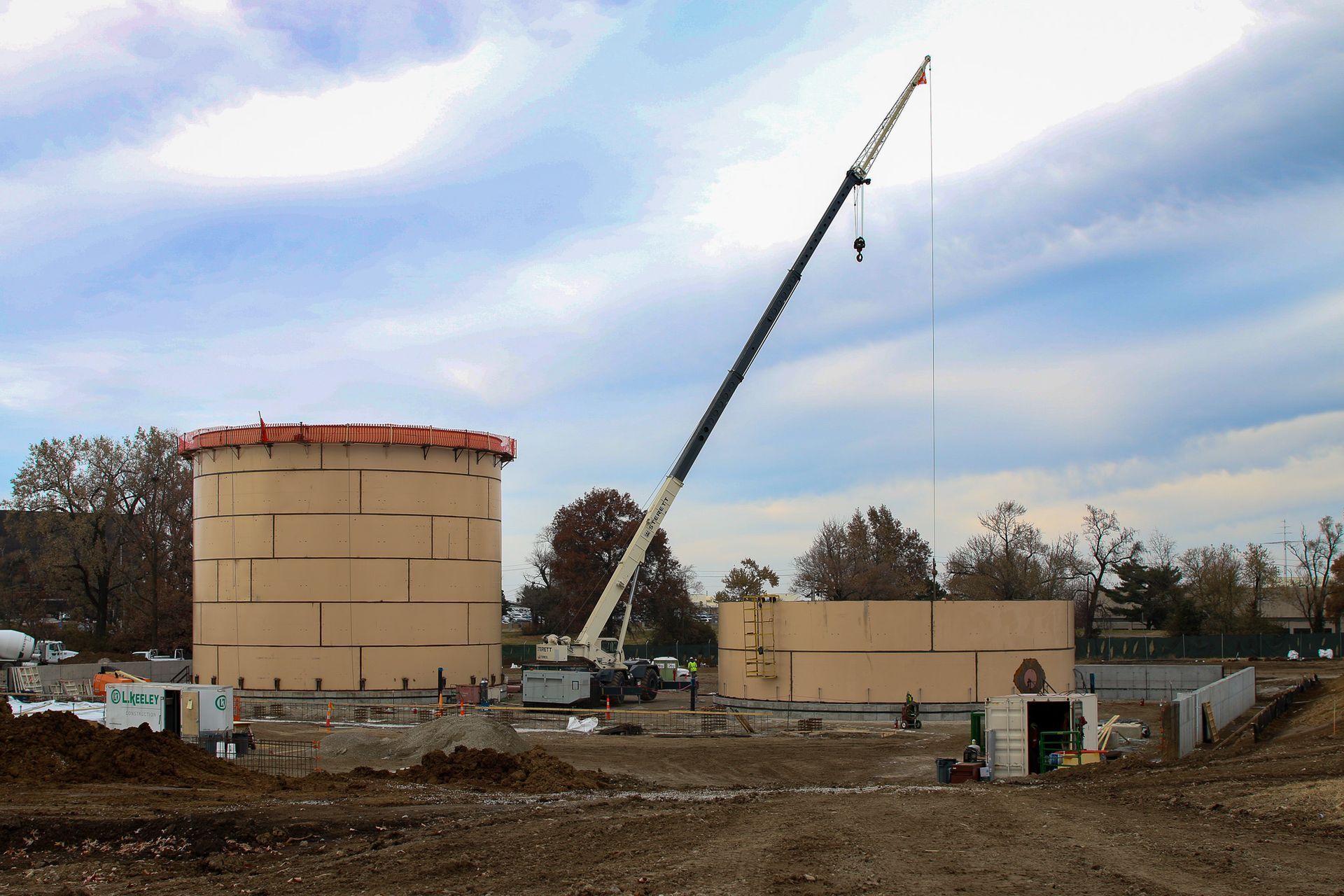
This process generally occurs inside large treatment basins called aeration tanks or aeration basins.
The system continuously supplies oxygen while mixing wastewater to ensure microorganisms remain active throughout the treatment process.
Common Types of Aeration Equipment
Several types of wastewater aeration systems are used in wastewater facilities.
Diffused Aeration Systems
Diffused aeration is one of the most common methods used in municipal treatment plants.
These systems include:
- wastewater aeration blowers
- Piping systems
- fine bubble diffusers located at the bottom of treatment basins
As air passes through the fine bubble diffusers, fine bubbles transfer oxygen into the wastewater.
Benefits include:
- High oxygen transfer efficiency
- Consistent treatment performance
- Flexibility for varying flow conditions
Mechanical Aerators
Mechanical aerators use rotating equipment to introduce oxygen and mix wastewater simultaneously.
Examples include:
- Surface aerators
- Floating aerators
- Turbine aerators
These systems are often used in lagoons and certain industrial applications.
Jet Aeration Systems
Jet aeration combines air and liquid movement to improve oxygen transfer and mixing. Jet aeration systems may be used when treatment facilities require both oxygenation and enhanced circulation.
Benefits of Aeration Equipment in Wastewater Systems
Aeration supports several important treatment objectives.
Improves Biological Treatment Performance
Oxygen allows microorganisms to efficiently consume organic contaminants and improve overall treatment effectiveness.
Supports Regulatory Compliance
Many wastewater facilities must meet strict discharge requirements.
Proper aeration helps plants achieve:
- Lower biochemical oxygen demand (BOD)
- Reduced total suspended solids (TSS)
- Improved nutrient removal
Improves Water Quality
Aeration contributes directly to cleaner effluent and healthier receiving waterways.
Reduces Odors
When oxygen levels become too low, wastewater can develop undesirable odors associated with anaerobic conditions.
Maintaining adequate aeration helps minimize odor issues.
Supports Nutrient Removal
Many advanced treatment facilities use aeration systems as part of biological nutrient removal (BNR) processes.
These systems help reduce:
- Nitrogen
- Ammonia
- Other nutrients that may impact water quality
Why Aeration Is One of the Largest Energy Users in a Wastewater Plant
Aeration systems often represent the largest energy demand within a wastewater treatment facility.
This is because:
- Large wastewater aeration blowers operate continuously
- Oxygen requirements vary throughout the day
- Treatment facilities process significant volumes of water
Utilities frequently invest in aeration upgrades to improve energy efficiency and reduce operating costs.
Common Aeration System Upgrades
As treatment plants modernize infrastructure, aeration improvements often become a priority.
Common upgrades include:
- High-efficiency wastewater aeration blowers
- Fine-bubble diffuser systems using fine bubble diffusers
- Automated controls
- SCADA integration
- Dissolved oxygen monitoring systems
These improvements can help optimize performance while reducing energy consumption.
Construction Considerations for Aeration Projects
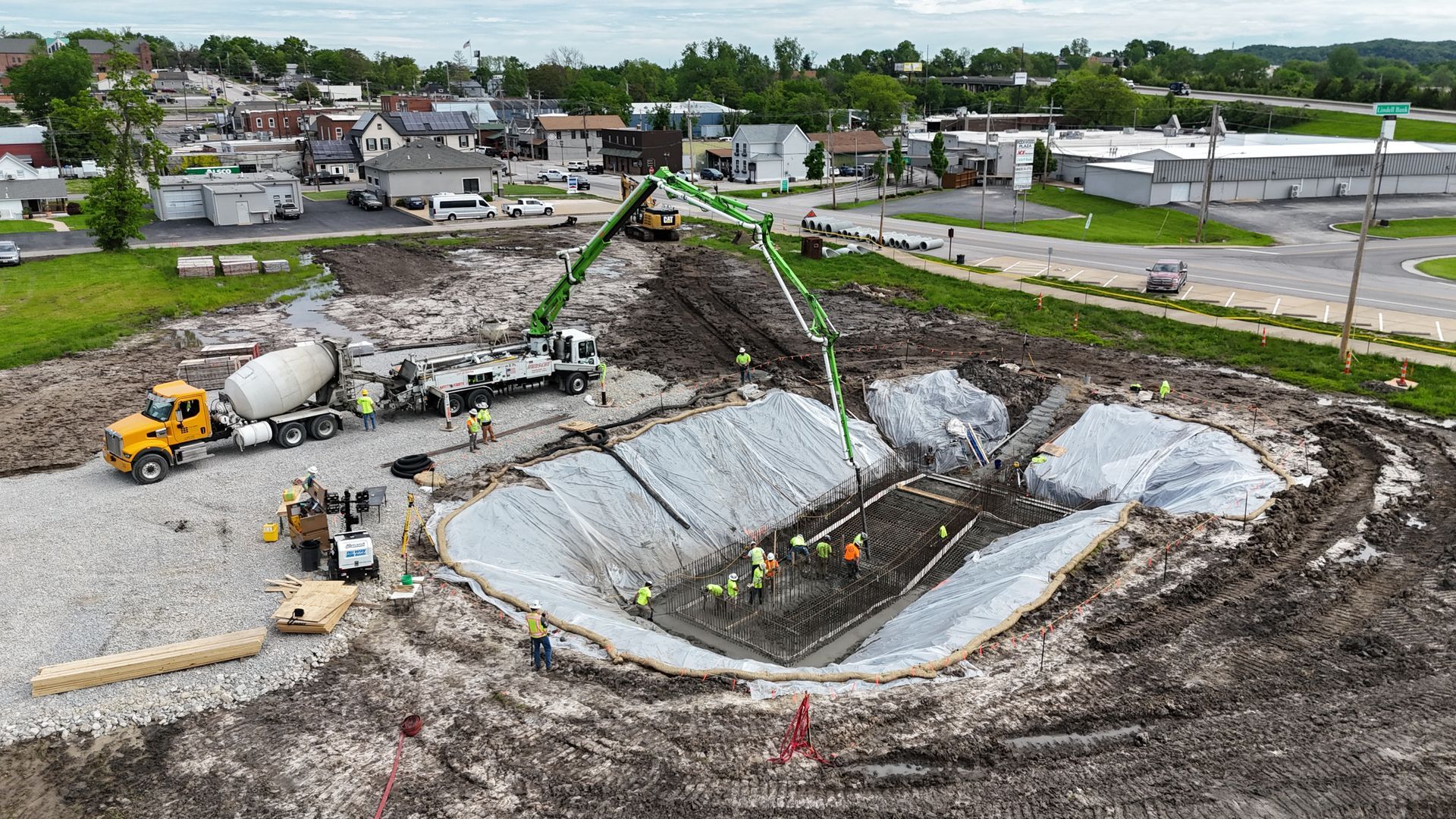
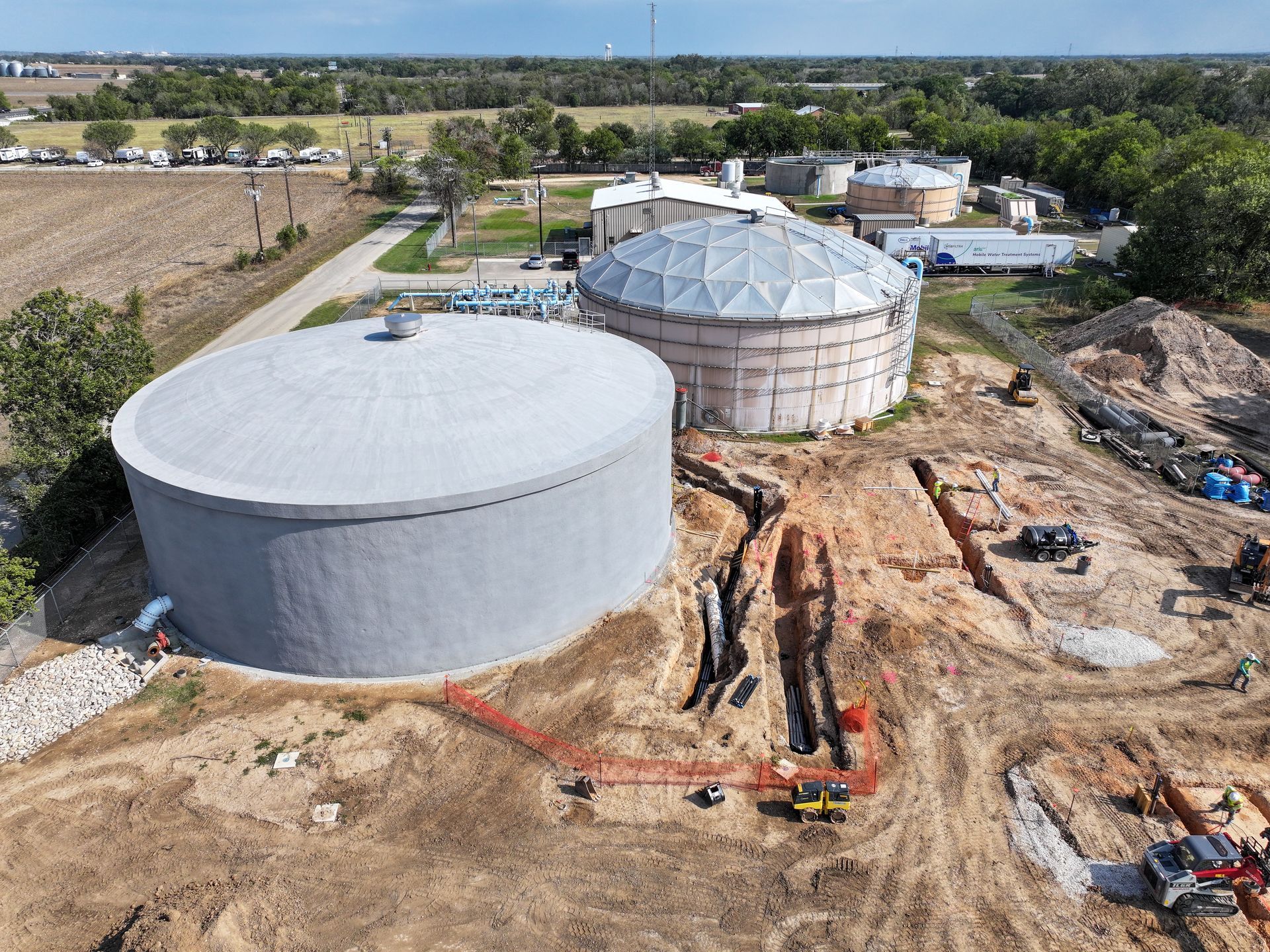
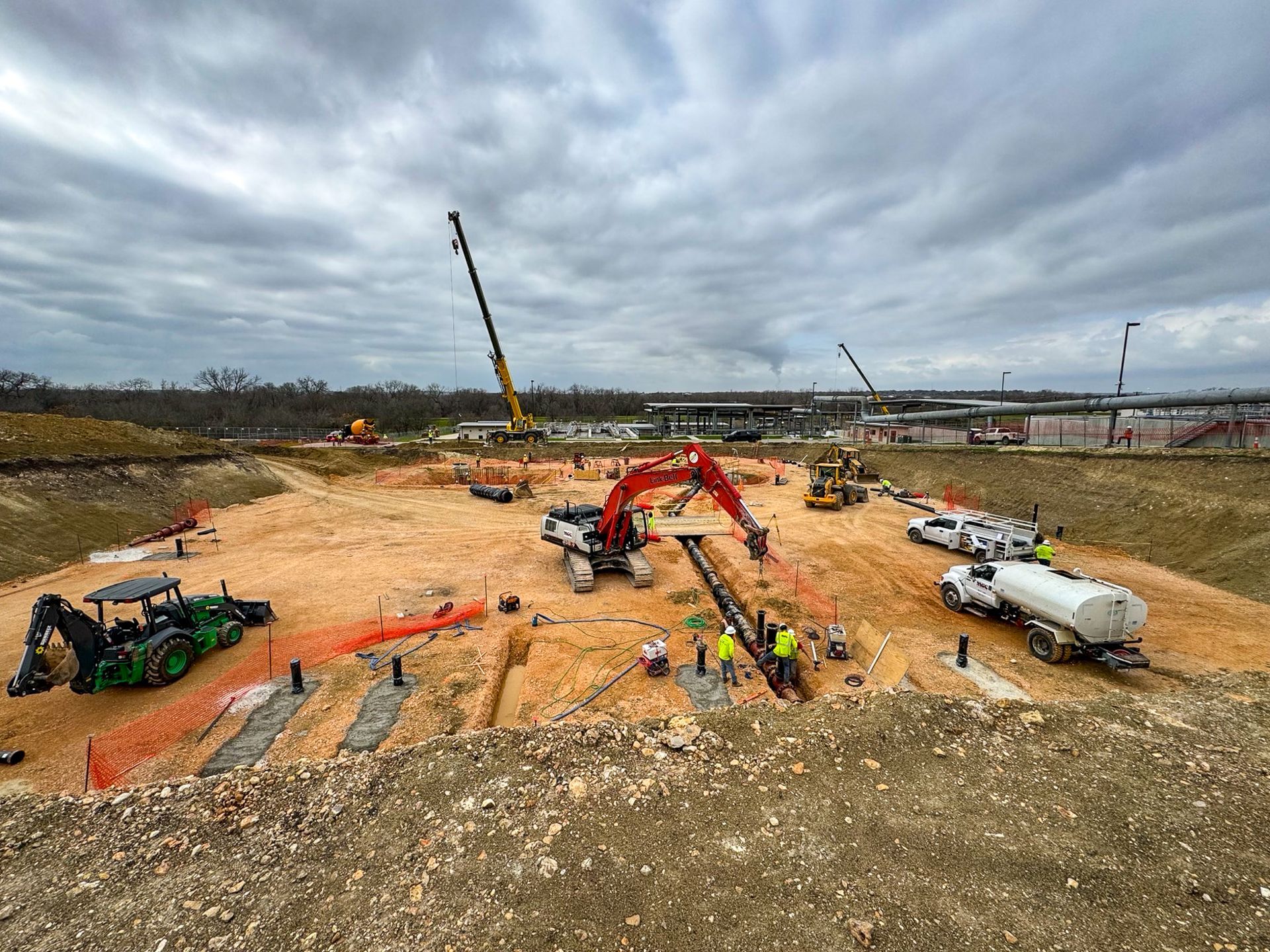
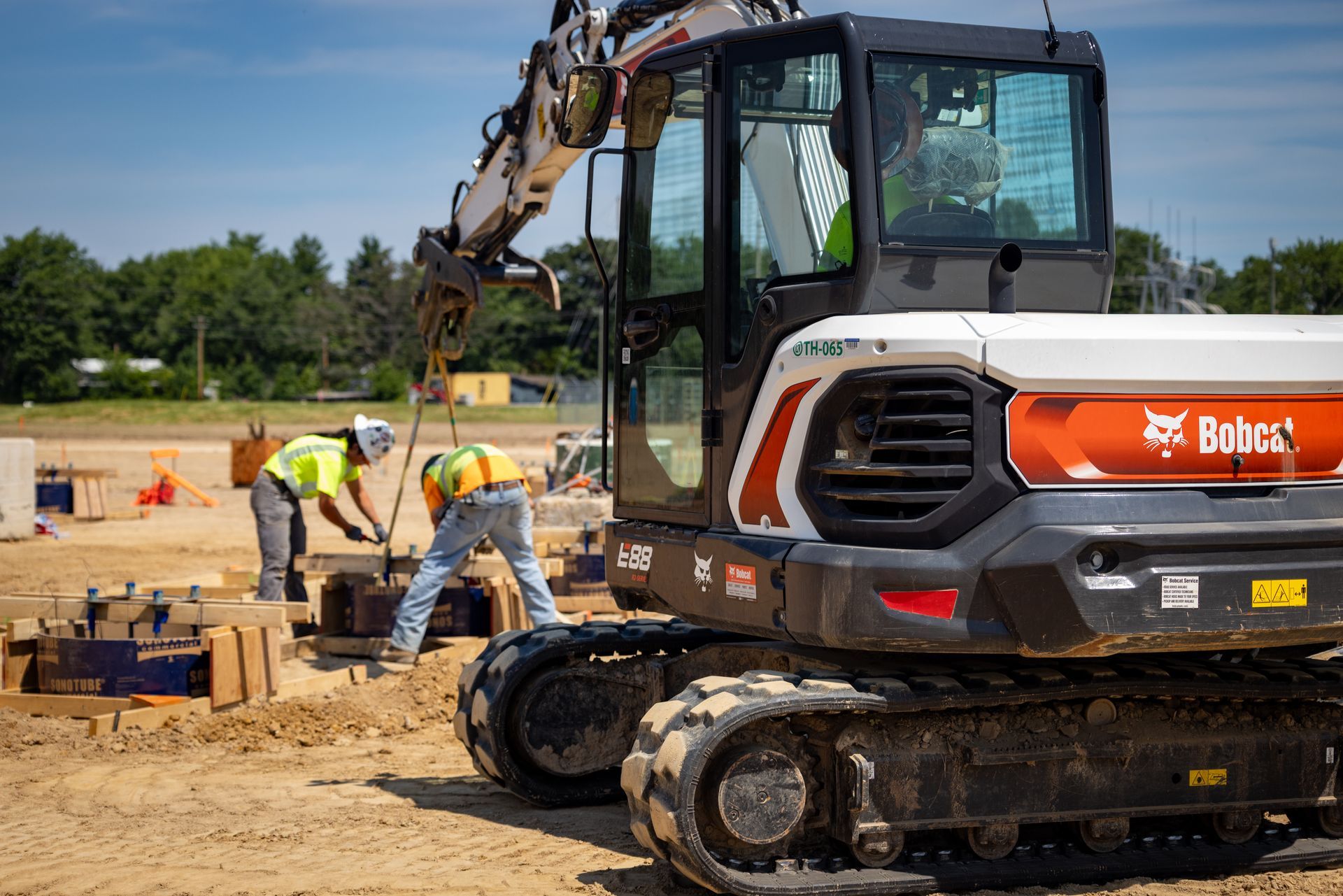
Installing or upgrading wastewater aeration equipment often requires coordination within active treatment facilities.
Projects may involve:
- Basin modifications
- Mechanical equipment installation
- Electrical upgrades
- Control system integration
- Process piping improvements
Because treatment plants must remain operational during construction, phased implementation is often necessary.
Experienced infrastructure teams carefully coordinate upgrades to minimize disruptions to ongoing treatment operations.
Frequently Asked Questions
What happens if a wastewater treatment plant loses aeration?
Without sufficient oxygen, biological treatment performance can decline rapidly, leading to reduced contaminant removal and potential permit compliance issues.
Is aeration used in all wastewater treatment plants?
Many municipal treatment facilities use aeration as part of biological treatment, though system configurations vary based on treatment goals and facility design.
Why are aeration basins so large?
Large basins provide sufficient time and volume for microorganisms to break down contaminants while maintaining treatment efficiency.
Supporting Reliable Wastewater Treatment
Wastewater aeration equipment is one of the most critical components of modern wastewater treatment systems. By supplying oxygen to beneficial microorganisms through jet aeration systems, fine bubble diffusers, and wastewater aeration blowers, these wastewater aeration systems enable the biological processes that help protect public health, improve water quality, and support environmental compliance.
As wastewater facilities continue investing in modernization and efficiency improvements, wastewater aeration equipment and advanced jet aeration systems will remain a key focus for utilities seeking to optimize performance and meet the needs of growing communities with reliable wastewater aeration equipment and well-designed wastewater aeration systems.