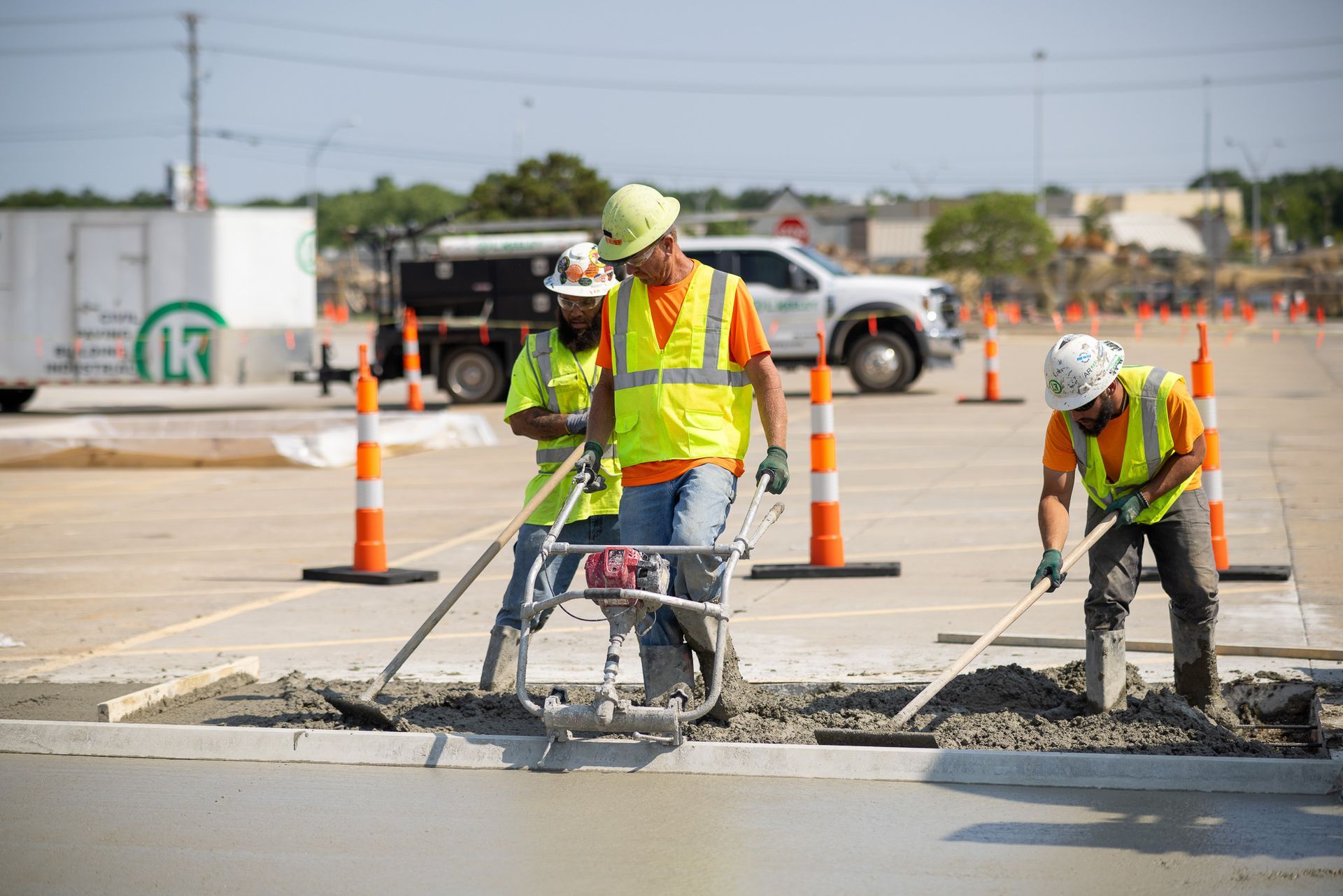
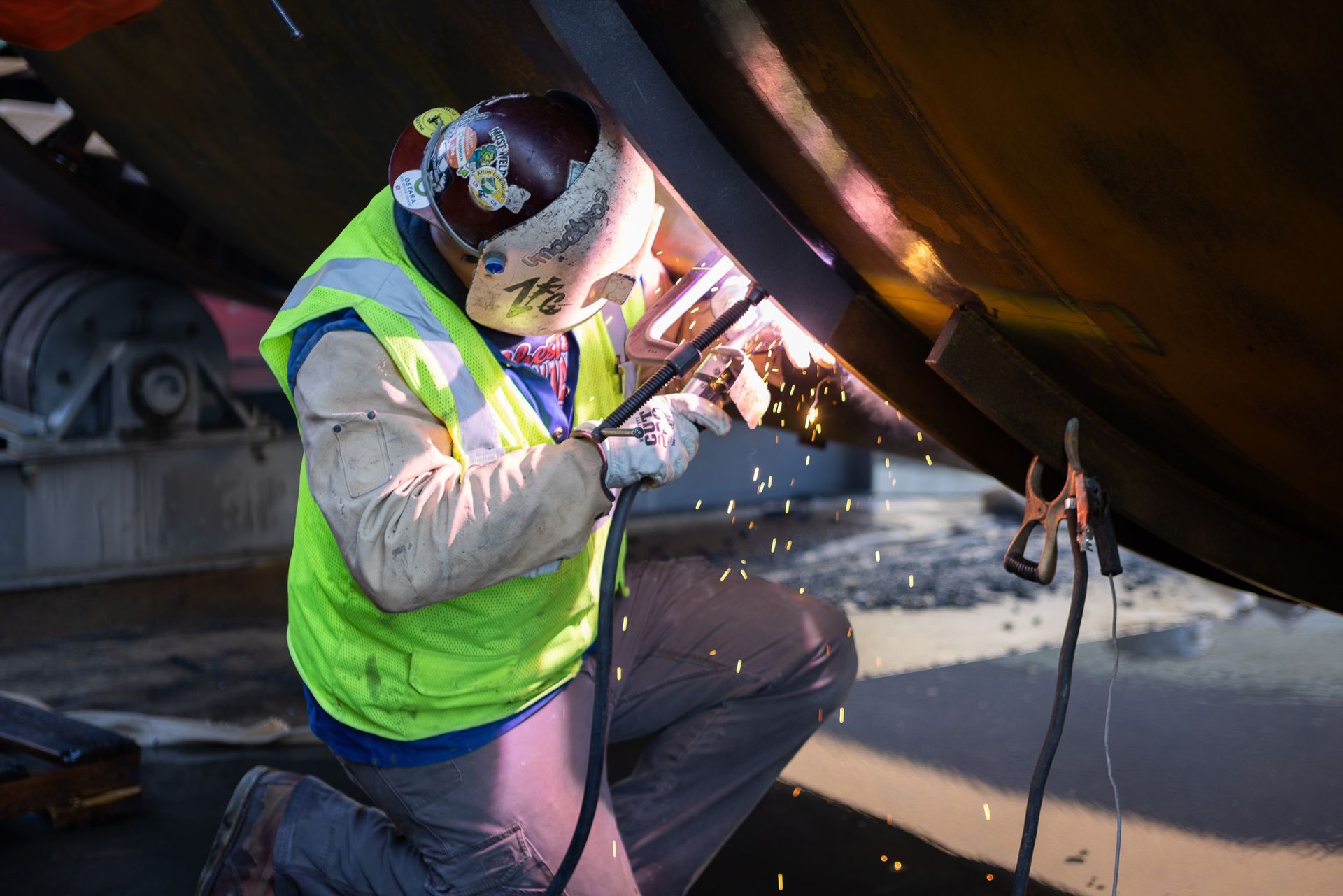
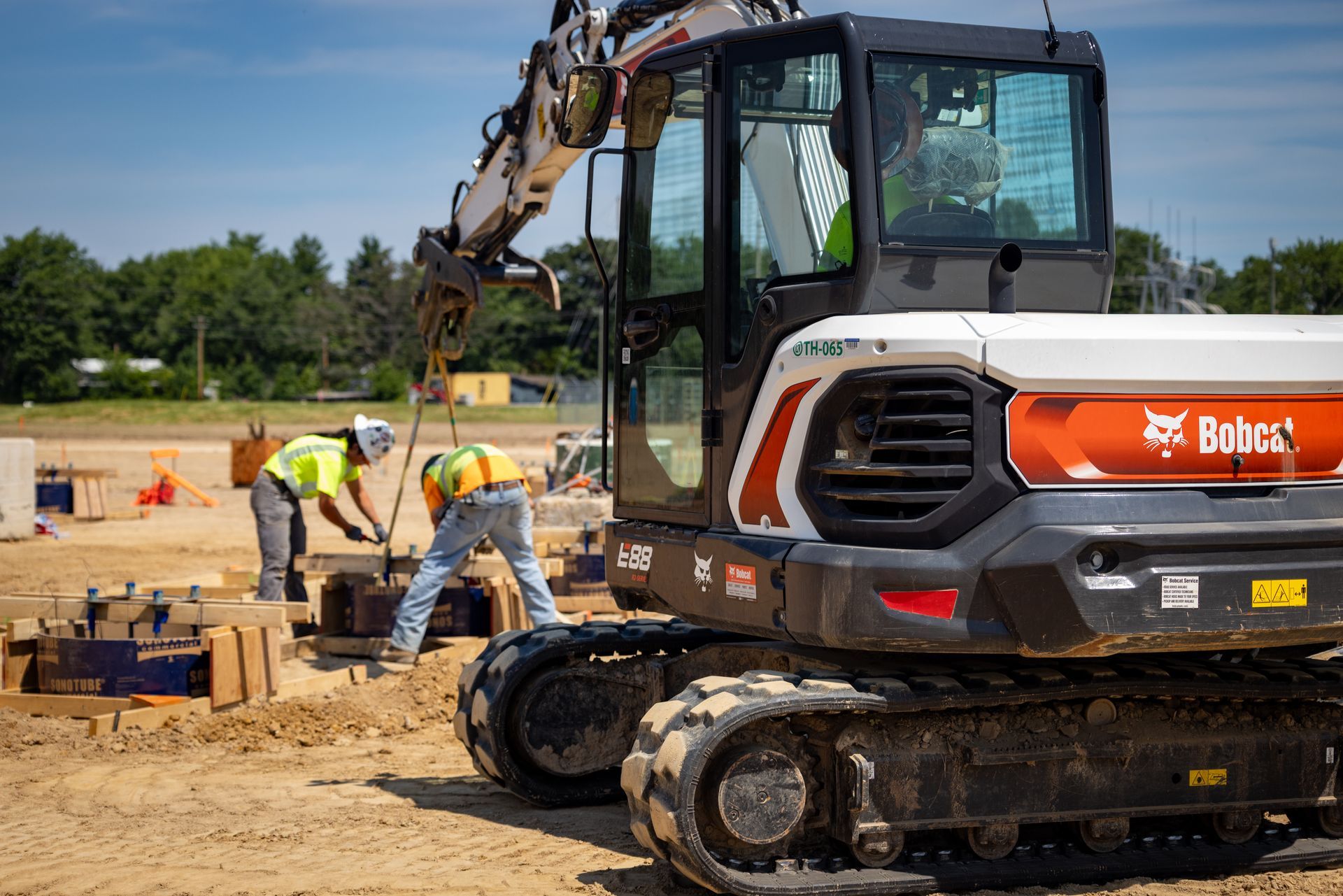
What's Involved in Building a New Municipal Water Pipeline?
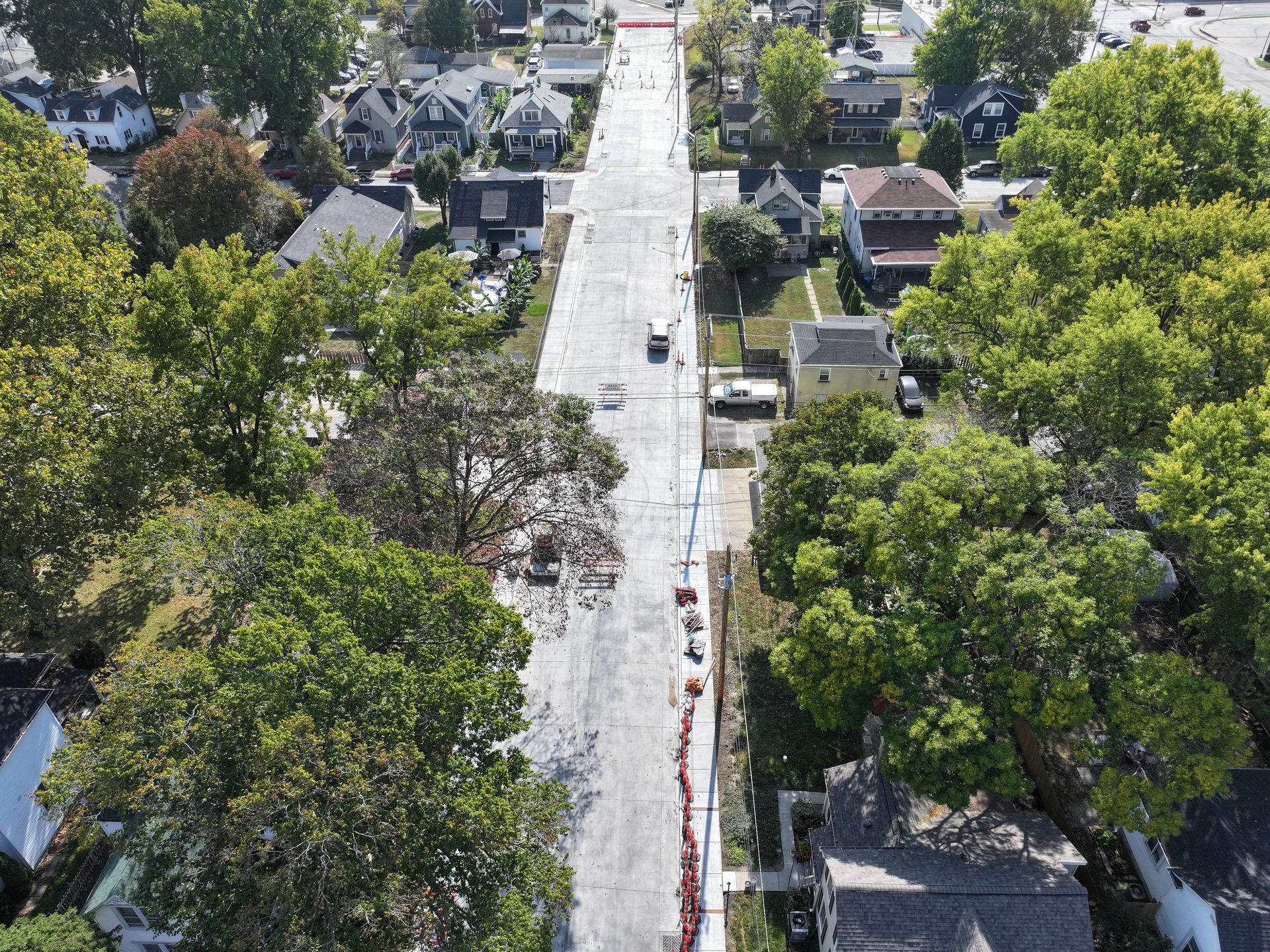
What Is a Municipal Water Pipeline?

A municipal water pipeline is a network of underground pipes that transports treated drinking water throughout a community. Municipal water pipeline construction brings together engineering, permitting, and field execution to deliver safe, reliable service. Successful municipal water pipeline construction depends on careful planning, experienced teams, and rigorous quality control.


Water pipelines may serve several purposes, including:

  • Delivering water from treatment plants to storage facilities
  • Connecting water towers and reservoirs
  • Expanding service to growing communities
  • Replacing aging infrastructure
  • Improving system reliability and redundancy
  • Supporting industrial and commercial development


Depending on the project, pipelines may range from smaller distribution mains to large-diameter transmission lines spanning multiple miles. Understanding the types of water main pipes and how they perform guides material selection during municipal water pipeline construction.


 Common municipal water line materials include ductile iron, PVC, HDPE, and steel, with selection based on pressure, soil chemistry, seismic conditions, and lifecycle costs. Evaluating the types of water main pipes early helps align performance, budget, and maintenance goals.


Step 1: Planning and System Evaluation

Every successful pipeline project begins with planning.


Municipalities and utilities evaluate:

  • Current water demand
  • Future population growth
  • Existing infrastructure conditions
  • System capacity limitations
  • Water pressure requirements
  • Reliability and redundancy needs


These studies help determine the size, route, and overall purpose of the new pipeline, as well as the types of water main pipes most appropriate for the environment and service conditions.


Step 2: Route Selection and Site Investigation

Once the project scope is established, engineers evaluate potential pipeline routes.


Route planning considers:

  • Existing utility corridors
  • Easement requirements
  • Roadways and rights-of-way
  • Environmental constraints
  • Topography
  • Existing infrastructure conflicts
  • Future development plans


Site investigations can include geotechnical studies to evaluate soil conditions and constructability. Selecting the right route significantly affects project cost and long-term maintenance requirements during municipal water pipeline construction.


Step 3: Engineering and Design

After route selection, detailed engineering begins.

Hydraulic Analysis

  • Flow requirements
  • Water pressure
  • System capacity
  • Future demand projections


Civil Design

  • Pipeline alignment
  • Utility crossings
  • Access requirements
  • Restoration activities


Structural Design

  • Vaults
  • Pump stations
  • Thrust restraint systems
  • Specialty structures


Detailed design ensures the pipeline meets operational and regulatory requirements and aligns with the capabilities of experienced water main installation contractors. Early input from water main installation contractors helps optimize constructability, schedule, and cost.


Step 4: Permitting and Regulatory Approvals

Municipal water projects often require approvals from multiple agencies before construction begins.


Permitting may include environmental reviews, water utility approvals, roadway and stormwater permits, railroad crossing approvals, and state regulatory requirements. Because timelines affect schedules, early coordination is critical.


Step 5: Utility Coordination

Identifying and coordinating around existing utilities is essential. Projects frequently encounter gas lines, electrical infrastructure, telecommunications systems, sewer lines, stormwater infrastructure, and existing water mains. Utility conflicts can significantly affect construction sequencing and schedule planning.


Step 6: Site Preparation and Excavation

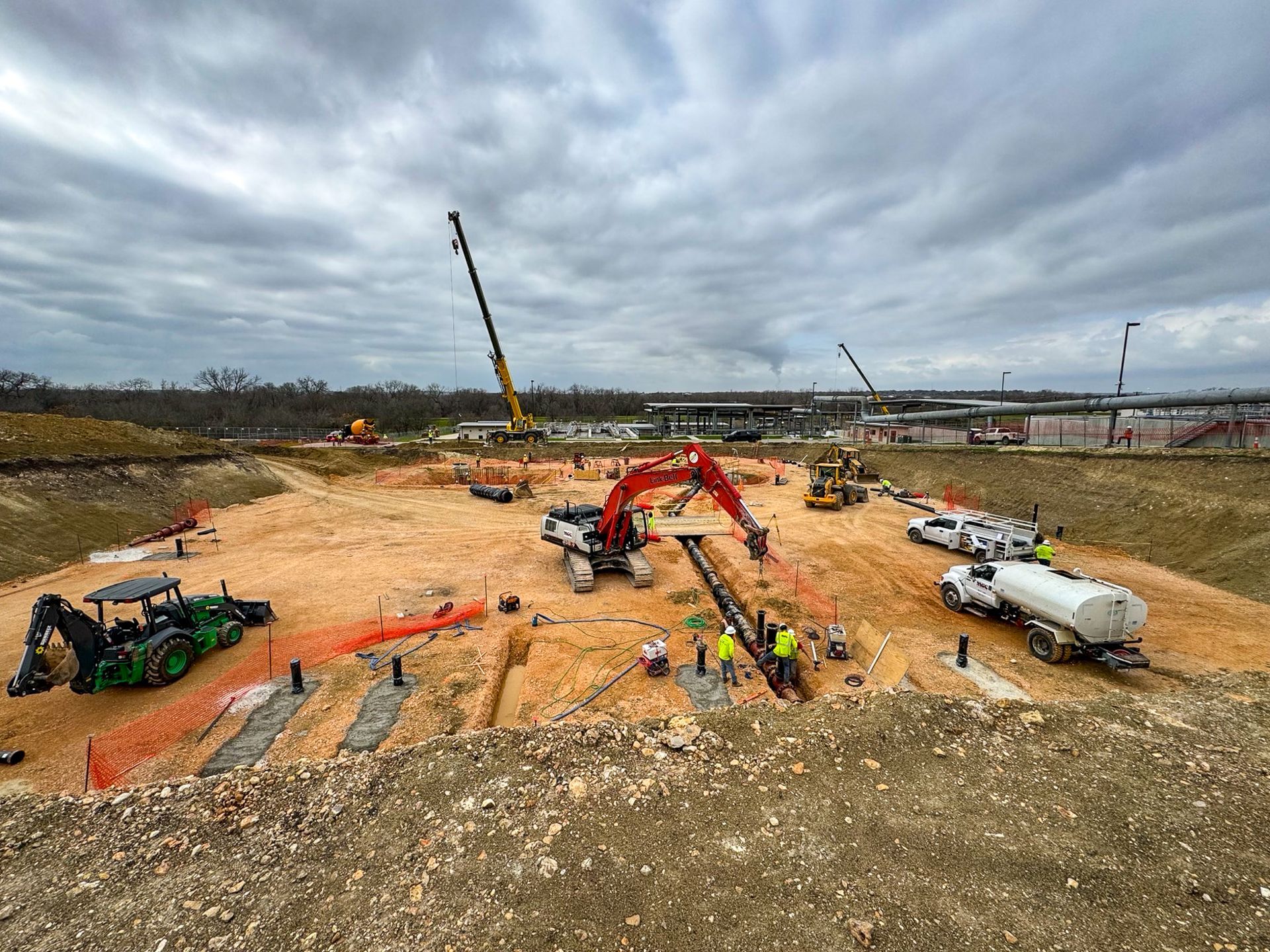
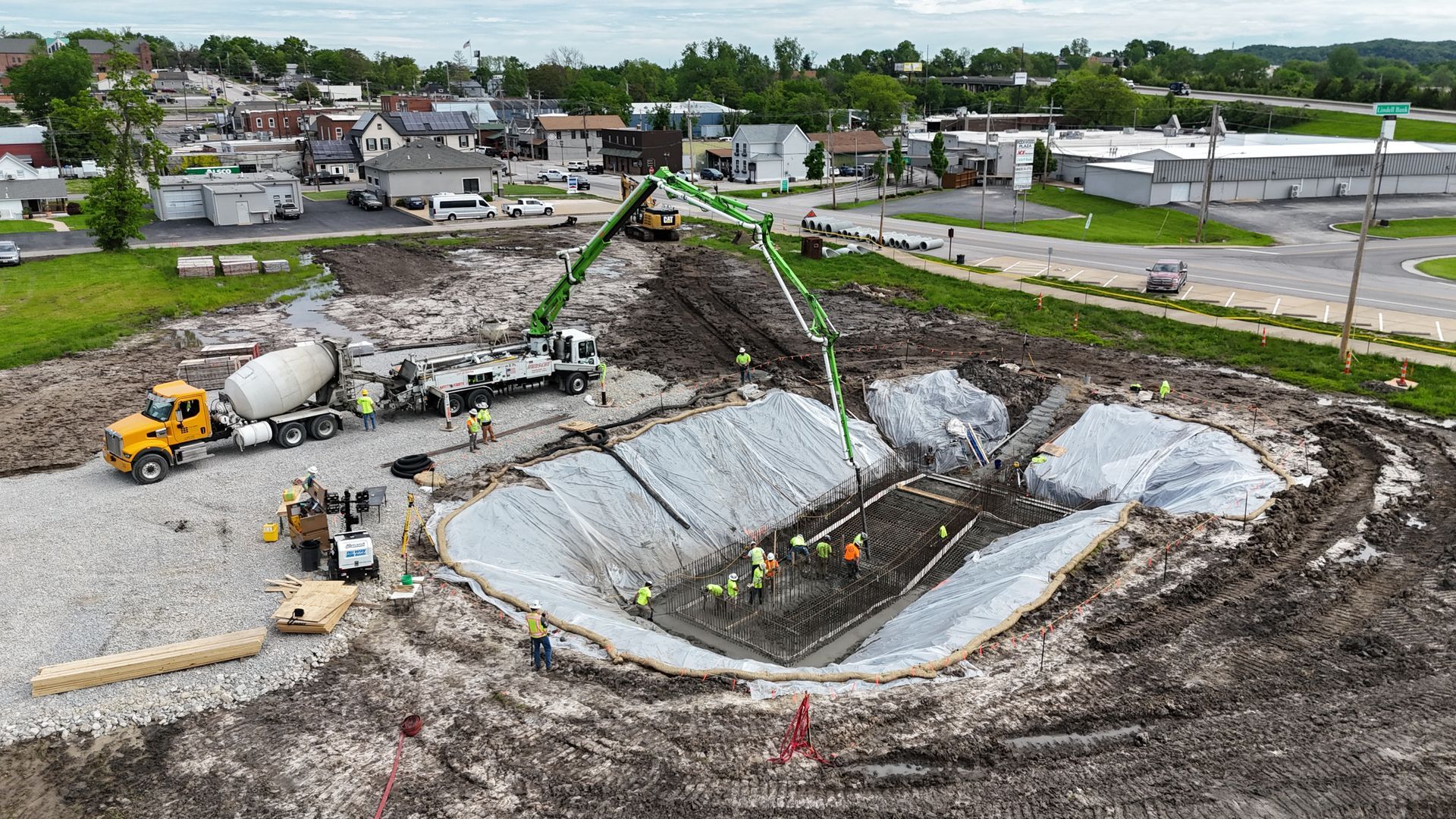
Crews prepare the corridor with traffic control, utility locating, site clearing, temporary access, and excavation. Excavation methods vary with soil conditions, required depth, utility congestion, and environmental constraints. Safety planning is especially important during trenching operations.


Step 7: Pipe Installation

After excavation, crews install the pipeline, including pipe placement, joint assembly, valves, fittings, and thrust restraint. Municipal water lines are commonly made of ductile iron, PVC, HDPE, or steel. Material selection depends on system pressure, soil conditions, corrosion risk, and project goals. Typical burial depth for municipal water lines varies by climate and code but commonly ranges from roughly 3 to 6 feet below grade, deeper where necessary to protect from freezing, traffic loads, and other hazards.


Step 8: Testing and Disinfection

Pressure and Leakage Testing

Tests verify the pipeline can safely withstand operational conditions and confirm integrity. Crews conduct pressure testing water mains in accordance with standards to validate strength and tightness. Properly pressure testing water mains is critical before connecting the new line to the active system.


Disinfection

New drinking water pipelines are disinfected to ensure water quality standards are met before commissioning.


Step 9: Restoration and Site Improvements

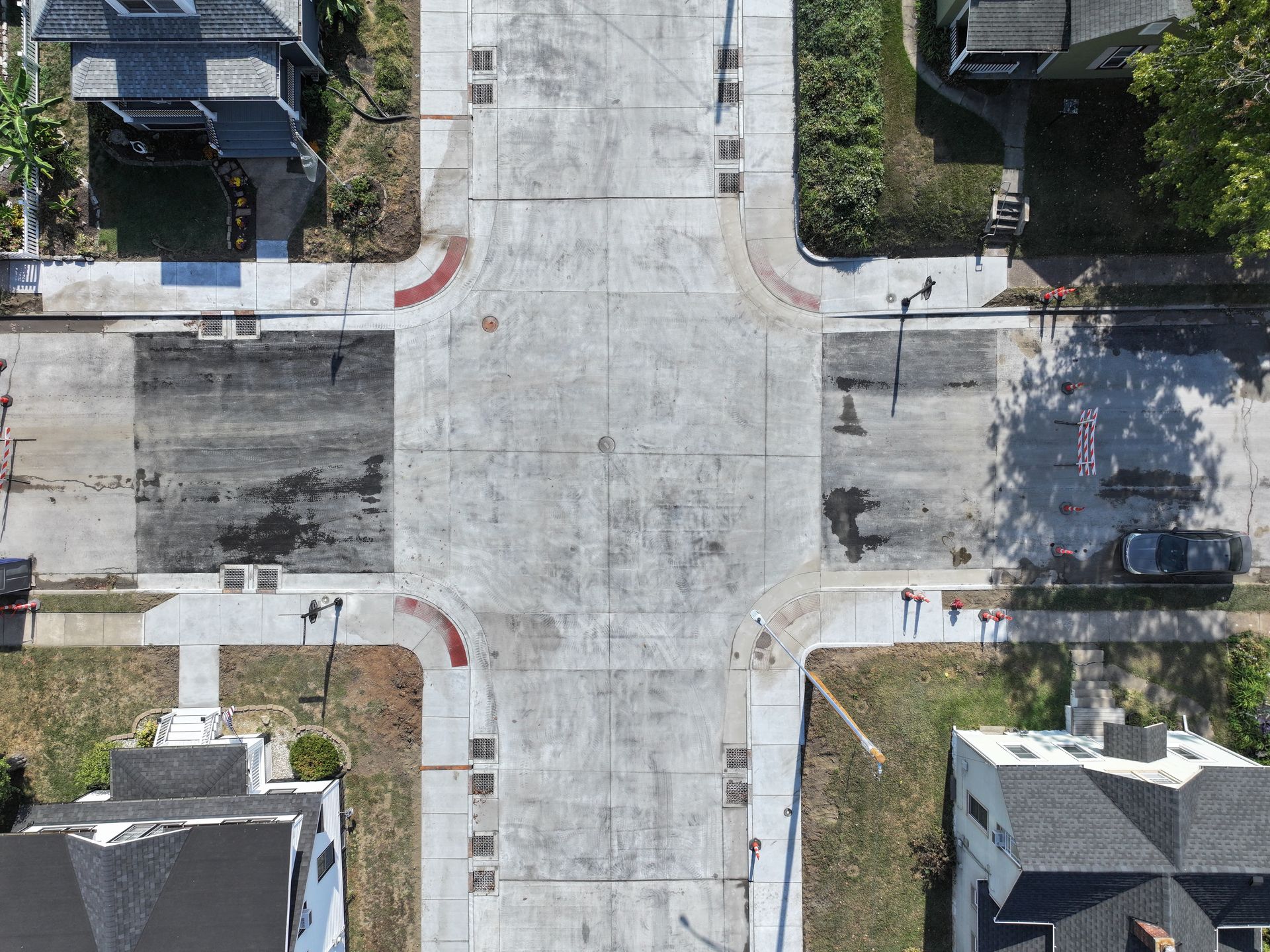
Following installation, teams restore impacted areas, including pavement, sidewalks, landscaping, erosion control, traffic signals, and other surface improvements.


Step 10: Commissioning and System Integration

Once testing and restoration are complete, the new pipeline is integrated into the municipal water system through operational testing, valve sequencing, pressure monitoring, system balancing, and final utility coordination.


Common Challenges in Municipal Water Pipeline Projects

Aging Utility Infrastructure

Existing underground utilities can create conflicts and increase construction complexity.


Traffic Management

Many projects occur within active roadways and dense urban environments.


Environmental Constraints

Wetlands, waterways, and protected areas may require special methods and mitigation.


Maintaining Water Service

Utilities must often maintain uninterrupted service while connecting new infrastructure.


Challenges to Long-Distance Potable Water Pipelines in the U.S.

Building long-distance pipelines faces additional hurdles: complex multi-jurisdictional permitting; environmental review and water rights issues; high capital and energy costs for pumping over long distances and elevation changes; limited corridors and right-of-way acquisition; supply reliability and drought variability; and community impacts that extend construction timelines.


Frequently Asked Questions

How long does it take to build a municipal water pipeline?

Schedules vary with project length, utility conflicts, permitting requirements, and site conditions.


What are municipal water lines made of?

Common materials include ductile iron, PVC, HDPE, and steel, selected based on pressure, soil conditions, corrosion protection, and lifecycle costs. Choosing among the types of water main pipes should consider long-term maintenance and resilience.


How deep are municipal water lines buried?

Depths typically range from about 3 to 6 feet, adjusted for frost depth, traffic loads, soil conditions, and local codes.


Why are water pipeline projects so disruptive?

Because pipelines are installed underground, construction often requires excavation, traffic control, utility coordination, and restoration activities.


Supporting Growing Communities Through Water Infrastructure

Municipal water pipelines are foundational to community growth, public health, and economic development. While much of the work occurs below ground, these projects require extensive planning, engineering, and construction expertise to ensure reliable service for decades to come. As communities expand and infrastructure needs evolve, investing in modern water pipeline systems—and partnering with experienced contractors—helps create a stronger foundation for future growth while supporting the essential services residents rely on every day.
By Sofia Wojtal June 3, 2026
What Is a Pile Driving Contractor? A pile driving contractor is a specialized foundation contractor who installs deep foundation elements—piles—into soil or rock to support structures. In marine settings, these firms use barges, cranes, and hammers to drive steel, concrete, timber, or sheet piles for docks, wharves, bulkheads, piers, bridges, and waterfront facilities. What Services Do Pile Driving Contractors Provide? Typical services include: Preconstruction planning, constructability reviews, and value engineering Geotechnical collaboration and test pile programs Installation of steel pipe, precast concrete, timber, and sheet piles Vibratory and impact driving, predrilling, and splicing Load testing and quality control/assurance documentation Environmental compliant pile driving, turbidity control, and species protection measures Related scopes such as bulkhead installation, marine earthwork, and structural concrete Qualifications and Certifications to Look For When comparing contractors, owners should evaluate more than equipment availability or pricing. Look for: Marine construction experience: ports and terminals, waterfronts, and similar pile projects Specialized equipment: pile driving and crane barges, vibratory and impact hammers, marine platforms Self-perform capabilities for pile driving and related scopes Safety performance: documented marine safety programs, training, incident rates, and emergency response planning Environmental compliance expertise: permitting, water quality protections, turbidity controls, and protected species coordination Professional qualifications: licensed contractors, certified crane operators, welding certifications, safety certifications (e.g., OSHA, MSHA as applicable), and compliance with relevant maritime regulations How Do Pile Driving Contractors Estimate Project Costs? Estimating is based on a combination of engineering data and constructability factors. Contractors typically consider: Geotechnical reports: soil profiles, required tip elevations, and anticipated driving resistance Pile type, size, and quantity: steel, precast concrete, timber, or sheet piles and associated fabrication costs Installation methods and production rates: vibratory vs. impact driving, predrilling, splicing, and testing Marine logistics: mobilization/demobilization of barges and cranes, access constraints, tides, currents, and weather windows Environmental requirements: turbidity barriers, monitoring, work windows, and mitigation measures Schedule and risk contingencies: allowances for subsurface variability, change in equipment, and standby due to conditions What Is Marine Pile Driving? Marine pile driving is the process of installing deep foundation elements into underwater or shoreline soils to support marine structures. Commercial marine pile installation is performed using specialized rigs, barges, and hammers suited to water-based operations. Pile systems commonly support ports and terminals, docks and wharves, bulkheads and seawalls, ferry facilities, bridge structures, industrial waterfronts, cargo infrastructure, and river and harbor improvements. Depending on requirements, piles may be installed from land, barges, temporary platforms, or vessels. Types of Piles Used in Marine Construction Steel Pipe Piles Common on port terminals and heavy industrial facilities, offering high load capacity and durability. Concrete Piles Precast piles for docks, piers, and waterfront structures provide corrosion resistance and long service life; concrete pile driving contractors bring the expertise needed. Timber Piles Used selectively for lighter-duty or rehabilitation work. Sheet Piles Installed for bulkheads, retention, shoreline protection, and excavation support to stabilize waterfront areas. Key Evaluation Questions for Contractors What marine pile driving projects have you completed? What pile types and methods do you commonly install? Do you own and maintain your marine equipment? How do you plan and document environmental compliance? Can you self-perform related marine scopes to streamline delivery? Building Strong Foundations for Marine Infrastructure Ports, terminals, and waterfront facilities rely on durable foundations to support long-term operations. By assessing experience, specialized equipment, self-perform strengths, environmental and safety qualifications, and transparent cost estimating practices, owners can select marine pile driving contractors and concrete pile driving contractors committed to environmental compliant pile driving and reliable project delivery.
By Sofia Wojtal June 3, 2026
What Is Aeration in Wastewater Treatment? Aeration is the process of introducing oxygen into wastewater during biological treatment. The added oxygen supports microorganisms that consume and break down organic pollutants found in wastewater. These microorganisms help remove: Organic waste Suspended solids Nutrients Biological contaminants Aeration is commonly used in activated sludge systems and other biological treatment processes throughout municipal and industrial wastewater facilities. Why Is Oxygen Important in Wastewater Treatment? The microorganisms responsible for biological treatment require oxygen to survive and function effectively. When sufficient oxygen is available, these microorganisms can: Break down organic matter Reduce biochemical oxygen demand (BOD) Improve treatment efficiency Support nutrient removal processes Without adequate oxygen levels, treatment performance can decline and water quality may suffer. How Aeration Equipment Works Aeration equipment transfers oxygen from the air into wastewater. This process generally occurs inside large treatment basins called aeration tanks or aeration basins . The system continuously supplies oxygen while mixing wastewater to ensure microorganisms remain active throughout the treatment process. Common Types of Aeration Equipment Several types of wastewater aeration systems are used in wastewater facilities. Diffused Aeration Systems Diffused aeration is one of the most common methods used in municipal treatment plants. These systems include: wastewater aeration blowers Piping systems fine bubble diffusers located at the bottom of treatment basins As air passes through the fine bubble diffusers, fine bubbles transfer oxygen into the wastewater. Benefits include: High oxygen transfer efficiency Consistent treatment performance Flexibility for varying flow conditions Mechanical Aerators Mechanical aerators use rotating equipment to introduce oxygen and mix wastewater simultaneously. Examples include: Surface aerators Floating aerators Turbine aerators These systems are often used in lagoons and certain industrial applications. Jet Aeration Systems Jet aeration combines air and liquid movement to improve oxygen transfer and mixing. Jet aeration systems may be used when treatment facilities require both oxygenation and enhanced circulation. Benefits of Aeration Equipment in Wastewater Systems Aeration supports several important treatment objectives. Improves Biological Treatment Performance Oxygen allows microorganisms to efficiently consume organic contaminants and improve overall treatment effectiveness. Supports Regulatory Compliance Many wastewater facilities must meet strict discharge requirements. Proper aeration helps plants achieve: Lower biochemical oxygen demand (BOD) Reduced total suspended solids (TSS) Improved nutrient removal Improves Water Quality Aeration contributes directly to cleaner effluent and healthier receiving waterways. Reduces Odors When oxygen levels become too low, wastewater can develop undesirable odors associated with anaerobic conditions. Maintaining adequate aeration helps minimize odor issues. Supports Nutrient Removal Many advanced treatment facilities use aeration systems as part of biological nutrient removal (BNR) processes. These systems help reduce: Nitrogen Ammonia Other nutrients that may impact water quality Why Aeration Is One of the Largest Energy Users in a Wastewater Plant Aeration systems often represent the largest energy demand within a wastewater treatment facility. This is because: Large wastewater aeration blowers operate continuously Oxygen requirements vary throughout the day Treatment facilities process significant volumes of water Utilities frequently invest in aeration upgrades to improve energy efficiency and reduce operating costs. Common Aeration System Upgrades As treatment plants modernize infrastructure, aeration improvements often become a priority. Common upgrades include: High-efficiency wastewater aeration blowers Fine-bubble diffuser systems using fine bubble diffusers Automated controls SCADA integration Dissolved oxygen monitoring systems These improvements can help optimize performance while reducing energy consumption. Construction Considerations for Aeration Projects Installing or upgrading wastewater aeration equipment often requires coordination within active treatment facilities. Projects may involve: Basin modifications Mechanical equipment installation Electrical upgrades Control system integration Process piping improvements Because treatment plants must remain operational during construction, phased implementation is often necessary. Experienced infrastructure teams carefully coordinate upgrades to minimize disruptions to ongoing treatment operations. Frequently Asked Questions What happens if a wastewater treatment plant loses aeration? Without sufficient oxygen, biological treatment performance can decline rapidly, leading to reduced contaminant removal and potential permit compliance issues. Is aeration used in all wastewater treatment plants? Many municipal treatment facilities use aeration as part of biological treatment, though system configurations vary based on treatment goals and facility design. Why are aeration basins so large? Large basins provide sufficient time and volume for microorganisms to break down contaminants while maintaining treatment efficiency. Supporting Reliable Wastewater Treatment Wastewater aeration equipment is one of the most critical components of modern wastewater treatment systems. By supplying oxygen to beneficial microorganisms through jet aeration systems, fine bubble diffusers, and wastewater aeration blowers, these wastewater aeration systems enable the biological processes that help protect public health, improve water quality, and support environmental compliance.  As wastewater facilities continue investing in modernization and efficiency improvements, wastewater aeration equipment and advanced jet aeration systems will remain a key focus for utilities seeking to optimize performance and meet the needs of growing communities with reliable wastewater aeration equipment and well-designed wastewater aeration systems.
By Sofia Wojtal June 3, 2026
Start with Your Long-Term Business Goals Before evaluating floor plans or construction costs, it's important to understand what the office needs to accomplish. How many employees will occupy the space? What growth is anticipated over the next 5 to 10 years? Will hybrid work arrangements continue? What types of collaboration spaces are needed? How will customers or visitors interact with the facility? A building that supports future growth can help reduce the need for costly renovations or relocations later. Choose the Right Site Site selection is one of the most important decisions in the entire project. Accessibility for employees and visitors Traffic patterns Parking availability Visibility and branding opportunities Utility access Zoning requirements Future development in the surrounding area The right location should support both operational needs and long-term business objectives. Establish a Realistic Budget Construction costs represent only part of the total investment when building a new office space. Owners should evaluate the full cost to build an office building, including: Land acquisition Site development Utility infrastructure Design and engineering fees Permitting costs Furniture and equipment Technology systems Moving and occupancy expenses Developing a comprehensive project budget early can improve decision-making throughout the commercial office construction process and clarify the true cost to build an office building. Think Beyond Today’s Office Layout Workplace expectations continue to evolve. Flexible workspaces Open collaboration areas Private focus rooms Meeting and training spaces Wellness areas Outdoor gathering spaces The most successful buildings balance collaboration, productivity, and adaptability through smart office space planning. Plan for Technology Infrastructure Early Technology requirements can significantly influence building design. Network infrastructure Wireless connectivity Security systems and access control Video conferencing capabilities Smart building technologies Audio-visual systems Planning technology systems early can help avoid costly modifications during construction. Prioritize Employee Experience Office design can directly impact satisfaction and productivity. Natural lighting and indoor air quality Workspace flexibility Break areas and collaboration environments Ergonomic considerations Creating an attractive, functional workplace supports recruitment and retention. Understand Parking and Site Requirements Parking requirements vary by municipality, building type, and occupancy levels. Stormwater management Landscaping requirements Pedestrian access Loading areas Emergency vehicle access Site development costs can sometimes have a larger impact on budgets than owners expect when building a new office space. Evaluate Sustainability and Energy Efficiency Many organizations seek ways to reduce operating costs and support sustainability goals. Energy-efficient HVAC systems High-performance envelopes LED lighting Renewable energy integration Water conservation measures Smart building controls Efficient systems can help reduce long-term operating expenses. Choose Delivery and Engage Partners Early The project delivery approach can significantly affect schedule, cost, and communication in the commercial office construction process. Common options include design-bid-build, construction management, and design-build. For many office projects, design-build can improve collaboration, accelerate schedules, and provide a single point of accountability. Why Early Contractor Involvement Matters Bringing a construction partner in early offers clear early contractor involvement benefits before design is finalized. Early contractor involvement benefits may include: Improved budget accuracy and procurement planning Identification of constructability concerns Optimized site development and phasing Reduced redesign efforts and change orders Collaboration during planning creates a more predictable experience when building a new office space. Frequently Asked Questions How long does it take to build a new office building? Schedules vary based on project size, permitting requirements, site conditions, and delivery method within the commercial office construction process. What is the biggest mistake owners make when building office space? Designing only for current needs without office space planning for future growth and operational changes. Is design-build a good option for office construction? Many organizations choose design-build because it improves coordination between design and construction teams and can streamline delivery. Building an Office That Supports Long-Term Success A new office space is more than a building—it's an investment in the future. Successful projects require careful office space planning, thoughtful design, realistic budgeting, and a clear understanding of operational goals and the cost to build an office building.  By focusing on long-term business needs, employee experience, technology integration, early contractor involvement benefits, and the right project delivery strategy, organizations can create office environments that support growth and provide lasting value for years to come when building a new office space.
By Sofia Wojtal June 3, 2026
The body content of your post goes here. To edit this text, click on it and delete this default text and start typing your own or paste your own from a different source.
By Sofia Wojtal June 3, 2026
How Long Should a Commercial Parking Lot Last? The lifespan of an asphalt parking lot depends on traffic volume, vehicle weight, climate, drainage, pavement thickness, and maintenance history. With proper care, many lots remain serviceable for 15 to 25 years or longer. Neglecting preventative maintenance and delaying repairs shortens pavement life and increases the likelihood of commercial parking lot repaving. Signs You May Need Repaving Sign #1: Widespread Cracking A few isolated cracks can be sealed. However, multiple interconnected cracks, large crack networks, recurring cracks after repairs, and cracks appearing throughout the lot suggest a deeper issue. When cracking becomes extensive, resurfacing or repaving may be more cost-effective than continued patching. Sign #2: Alligator Cracking Alligator cracking looks like reptile skin and often indicates structural failure, weak base materials, water infiltration, or excessive loading. Because the structure is compromised, commercial parking lot repaving or reconstruction is frequently necessary. Sign #3: Frequent Potholes Occasional potholes can be patched. Recurring potholes often point to water intrusion, base failure, drainage problems, or advanced deterioration. If potholes keep returning, evaluate resurfacing or repaving. Sign #4: Standing Water and Drainage Problems Standing water after rain, ponding in wheel paths, erosion at edges, or water flowing toward buildings accelerates deterioration. Repaving projects may include grading and drainage improvements. Sign #5: Surface Raveling and Deterioration Raveling causes a rough, loose, worn, or faded surface that allows moisture intrusion. When extensive, resurfacing or repaving may be warranted. Sign #6: Fading and Oxidation Gray coloration, brittleness, increased cracking, and reduced flexibility signal oxidation. While oxidation alone may not require repaving, it compounds other issues. Sign #7: Numerous Patches If the lot is covered with patches for potholes, cracks, depressions, and surface failures, cumulative costs can approach resurfacing or repaving, making repaving a better long-term value. Sign #8: Uneven Surfaces and Settlement Depressions, low spots, uneven sections, trip hazards, and deformation often point to base issues that go beyond simple repair. Sign #9: Rising Maintenance Costs If annual maintenance costs keep rising, it may be time to evaluate resurfacing or repaving for better long-term value. Repaving vs. Resurfacing vs. Reconstruction Repairs Best for isolated cracks, small potholes, and minor surface damage. Resurfacing (Mill and Overlay) Best for surface deterioration, moderate cracking, and lots with a sound base. The process mills off the top layer and installs a new asphalt surface. Repaving Often used to describe installing new asphalt over a prepared base or after removing significant portions of the old pavement. It addresses broader surface and shallow structural issues. Full Reconstruction Best for extensive alligator cracking, base failures, significant drainage issues, and structural deterioration. Reconstruction replaces the pavement structure from the ground up when repaving alone won’t address base failures. What Is the Process of Repaving a Parking Lot? Assessment and planning: Inspect pavement, drainage, and base; define scope. Repairs and prep: Mill or remove failed areas, fix base, adjust drainage/grades. Paving: Place and compact new asphalt lifts to specified thickness. Finishing: Stripe, install wheel stops, adjust utilities, and clean up. Curing and reopen: Allow initial cooling; follow contractor guidance for traffic loads. How Often Do Parking Lots Need to Be Repaved? With routine maintenance (sealcoating, crack sealing, patching), many lots need resurfacing or repaving roughly every 15–25 years. High-traffic, heavy-load, or poor-drainage sites may need it sooner; well-designed, well-drained lots with proactive maintenance can last longer. Is Repaving a Parking Lot a Capital Improvement? In many jurisdictions and for accounting purposes, repaving that extends useful life, enhances value, or adapts the asset to a new use is treated as a capital improvement, while routine maintenance is expensed. Consult your tax professional for specific guidance. What’s the Difference Between Resurfacing and Repaving? Resurfacing: Milling and placing a new surface layer over a sound base to restore ride, appearance, and protection. Repaving: Installing new asphalt beyond a simple overlay, often after more extensive removal and base preparation; addresses wider deficiencies but stops short of full reconstruction. How a Contractor Evaluates Your Parking Lot Contractors assess pavement age, crack severity, drainage, traffic patterns, structural condition, and maintenance history to determine whether repair, resurfacing, repaving, or reconstruction is most appropriate. Protecting Your Pavement Investment Recognizing early signs of deterioration helps avoid larger costs and choose repaving when it offers the best return. By addressing issues proactively, prioritizing maintenance, and partnering with trusted commercial asphalt paving contractors, businesses can extend pavement life, improve curb appeal, and create a safer experience for customers, tenants, and employees.
By Sofia Wojtal June 3, 2026
Why Do Parking Lots Crack? Asphalt pavement naturally deteriorates over time due to a combination of environmental conditions and daily use. Common parking lot cracking causes and solutions begin with identifying the factors behind damage and selecting the right fix. Common causes of parking lot cracking include: Water infiltration Temperature fluctuations UV exposure Heavy vehicle traffic Poor drainage Aging asphalt Subgrade movement Improper construction or installation The type and severity of cracking often provide clues about the underlying issue, which is why knowing pavement cracking types and the types of asphalt cracks is essential. Water Infiltration Water is one of the biggest threats to asphalt pavement. When water enters small surface cracks, it can weaken the pavement structure and the underlying base material. Over time, water-related damage may cause: Crack expansion Surface deterioration Settlement Potholes Base failures Preventing water intrusion is a primary goal of commercial parking lot maintenance and a core element of many parking lot cracking causes and solutions. Freeze-Thaw Cycles In colder climates, freeze-thaw conditions can accelerate deterioration. When water enters cracks and freezes: The water expands. Cracks widen. Additional moisture enters the pavement. Damage continues to worsen. Repeated cycles can quickly turn small cracks in road surfaces into significant maintenance issues. Aging and Oxidation As asphalt ages, it gradually loses flexibility. Exposure to sunlight, oxygen, and weather causes the surface to become brittle over time, increasing the likelihood of cracking under normal traffic loads. Heavy Traffic Loads Lots designed for passenger vehicles may experience accelerated wear when exposed to heavy trucks or delivery traffic. Repeated loading can contribute to fatigue cracking, rutting, and deformation. Poor Drainage Drainage issues frequently contribute to premature pavement deterioration. Even well-constructed pavement can fail prematurely if water is not properly managed. Common Types of Parking Lot Cracks Different crack patterns often indicate different maintenance needs. Recognizing pavement cracking types and the types of asphalt cracks helps determine the appropriate parking lot crack repair. Longitudinal Cracks These cracks run parallel to traffic. Potential causes include aging, joint failures, construction issues, and thermal movement. If addressed early, they can often be sealed. Transverse Cracks Transverse cracks run perpendicular to traffic flow, often caused by temperature changes, asphalt shrinkage, and aging pavement. Block Cracking Block cracking creates a pattern of interconnected rectangular cracks, typically due to asphalt aging, oxidation, and lack of preventative maintenance. Alligator Cracking Alligator cracking appears as interconnected cracks resembling reptile skin and usually indicates structural failure from weak base materials, excessive loading, or water damage. What Can Property Owners Do About Parking Lot Cracks? The best repair strategy depends on the severity and cause of the damage. Effective parking lot cracking causes and solutions range from simple sealing to structural repairs. Crack Sealing For minor to moderate cracks, crack sealing is often the most cost-effective parking lot crack repair. Crack sealing helps prevent water intrusion, slow deterioration, extend pavement life, and reduce future repair costs. Sealcoating Sealcoating provides a protective layer that helps shield pavement from UV exposure, moisture, chemicals, and oxidation. While it does not fix structural issues, it supports commercial parking lot maintenance plans. Asphalt Patching Localized failures may require patching to address surface deterioration, small potholes, and isolated structural problems before they worsen. Mill and Overlay When the structure is sound but surface wear is widespread, milling and overlay can restore ride quality and extend service life. Full Reconstruction Severe failures may require complete reconstruction when base materials have failed, drainage problems persist, or structural deterioration is extensive. How to Prevent Future Cracking A proactive commercial parking lot maintenance strategy can significantly extend pavement life. Best practices include routine inspections, crack sealing, sealcoating, drainage upkeep, prompt pothole repairs, and traffic management. Selecting solutions based on pavement cracking types and the types of asphalt cracks ensures the right parking lot crack repair at the right time. Protecting Your Pavement Investment Parking lots are a significant asset for commercial, industrial, healthcare, retail, and municipal properties. While cracks in road and lot surfaces are a normal part of aging, early intervention and targeted parking lot cracking causes and solutions can improve performance and reduce costs. By understanding the causes and implementing proactive maintenance, property owners can extend pavement life, enhance appearance, and maximize return on investment.
By Sofia Wojtal May 28, 2026
What Is Included in an Asphalt Paving Project? Asphalt paving scopes can vary significantly depending on the project type and existing site conditions. Projects may include: New asphalt installation Parking lot paving Asphalt overlays Milling and resurfacing Driveway paving Industrial yard paving Access roads Site grading and drainage improvements Pavement striping Curb and concrete work Many commercial paving projects also involve traffic coordination and phased construction planning, which can influence Dallas commercial asphalt paving cost. Average Asphalt Paving Costs in Dallas Dallas asphalt paving costs are commonly priced by square footage, although larger commercial projects may also involve tonnage-based pricing. When seeking a Dallas asphalt paving estimate, note the unit pricing and inclusions. Recent industry estimates suggest: New asphalt paving projects in Dallas commonly range between approximately $3–$7 per square foot depending on project scope and site conditions. Commercial parking lot paving projects often range between $4–$10 per square foot for new construction depending on thickness, drainage, and preparation requirements. Asphalt overlays may cost less than full reconstruction, with some estimates near $1.30–$1.60 per square foot for basic 2-inch overlays under favorable conditions. Because every site is different, contractors typically perform evaluations before providing accurate pricing, especially when assessing asphalt base repair cost Dallas or total asphalt paving cost Dallas. What Impacts Asphalt Paving Costs? Several variables influence overall paving costs in Dallas, which should be reflected in any Dallas asphalt paving estimate. Site Preparation and Grading Site preparation is often one of the largest cost drivers in paving projects. Preparation may include: Excavation Grading and leveling Base stabilization Removal of existing pavement Drainage improvements Soil correction Poor site conditions or drainage issues can increase both labor and material requirements and raise asphalt base repair cost Dallas. Pavement Thickness and Traffic Loads The required asphalt thickness depends heavily on expected traffic conditions. Residential driveways generally require thinner pavement sections Commercial lots may require heavier-duty pavement designs Industrial yards and truck traffic areas often require thicker asphalt and stronger base systems Higher traffic loads typically increase material quantities and project cost, affecting Dallas commercial asphalt paving cost. Existing Pavement Conditions Projects involving overlays or resurfacing depend on the condition of the existing pavement structure. Cracking severity Base failure Drainage problems Potholes and settlement Surface deterioration Extensive repairs may require full-depth reconstruction rather than simple resurfacing, significantly impacting asphalt paving cost Dallas. Drainage Requirements Drainage plays a major role in long-term pavement performance. Stormwater improvements Catch basin adjustments Regrading Curb modifications Water runoff management Poor drainage is one of the leading causes of premature pavement failure and should be considered in any Dallas asphalt paving estimate. Project Size and Accessibility Larger paving projects often benefit from economies of scale, reducing cost per square foot. However, pricing may increase for: Tight-access areas Phased construction Active commercial sites Traffic-sensitive properties Operational constraints can affect scheduling and labor efficiency and influence overall asphalt paving cost Dallas. What Contractors Need to Prepare a Quote To develop accurate asphalt paving estimates, contractors often request: Site Information Property location Existing pavement conditions Traffic requirements Project Scope New paving vs overlay Pavement thickness requirements Drainage improvements Striping and signage needs Design Information Site plans Civil drawings Geotechnical reports if applicable Scheduling Requirements Desired completion timeline Operational restrictions Phased work requirements Providing detailed information early can improve estimate accuracy and reduce pricing revisions later, especially for Dallas commercial asphalt paving cost and asphalt base repair cost Dallas. Frequently Asked Questions How much does commercial asphalt paving cost in Dallas? Commercial paving projects commonly range from several dollars per square foot depending on site conditions, pavement thickness, and project complexity. This variability is why a detailed Dallas asphalt paving estimate is essential to understand true Dallas commercial asphalt paving cost. Is resurfacing cheaper than full replacement? Yes. Asphalt overlays and resurfacing are often less expensive than full-depth reconstruction when the existing base remains structurally sound, reducing overall asphalt paving cost Dallas. When does base repair affect my budget? When base failure is present, expect added costs for stabilization or reconstruction. Factoring asphalt base repair cost Dallas early will make your Dallas asphalt paving estimate more accurate. Investing in Long-Term Pavement Performance Asphalt paving projects involve more than simply placing new pavement. Long-term performance depends on site preparation, drainage, pavement design, construction quality, and ongoing maintenance. For property owners in Dallas, working with experienced paving contractors and planning proactively can help improve durability, reduce future repair costs, and clarify asphalt paving cost Dallas from the start.
By Sofia Wojtal May 28, 2026
What Is Parking Lot Crack Sealing? Crack sealing is a pavement maintenance process used to prevent water, debris, and contaminants from entering cracks in asphalt surfaces. Quality asphalt crack filler Colorado Springs applications are designed to remain flexible through temperature swings. During the process, contractors typically: Clean pavement cracks Remove debris and vegetation Apply heated sealant material Allow the sealant to cure properly The goal is to reduce water infiltration that can weaken pavement foundations and accelerate deterioration, a key component of asphalt preservation Colorado Springs plans. Crack sealing is commonly used on: Commercial parking lots Industrial facilities Retail centers Apartment complexes Municipal properties Healthcare facilities Distribution centers Why Crack Sealing Matters in Colorado Springs Colorado Springs experiences weather conditions that can be particularly hard on asphalt pavement. Common pavement stress factors include: Freeze-thaw cycles Snow and ice exposure UV exposure at higher elevations Moisture infiltration Heavy vehicle traffic When water enters pavement cracks and freezes, expansion can cause cracks to widen and create more extensive damage over time. Prompt parking lot crack sealing Colorado Springs treatment limits this cycle. Preventative maintenance can help reduce the need for larger repairs such as: Asphalt patching Milling and overlay Full pavement replacement What to Look for in a Crack Sealing Contractor Not all pavement maintenance contractors provide the same level of service or expertise. Choose a provider skilled in asphalt crack sealing Colorado Springs projects and familiar with local climate demands. Property owners often evaluate contractors based on several key factors. Experience With Commercial Pavement Maintenance Contractors with experience in commercial and industrial pavement maintenance may be better equipped to manage: Large parking areas Traffic coordination Phased work schedules ADA considerations Long-term pavement preservation strategies Experience with Colorado climate conditions can also improve maintenance planning and asphalt preservation Colorado Springs outcomes. Proper Surface Preparation Effective crack sealing depends heavily on preparation. Quality contractors typically: Thoroughly clean cracks Remove moisture and debris Use proper routing techniques when needed Apply sealants at recommended temperatures Poor preparation can reduce sealant performance and shorten pavement life, even when using premium asphalt crack filler Colorado Springs products. Material Selection Different pavement conditions may require different sealant materials. The right asphalt crack filler Colorado Springs material should match crack size and movement. Contractors may evaluate: Crack size and movement Traffic volume Temperature exposure Existing pavement condition Using the right materials can improve durability and flexibility during seasonal temperature changes and support asphalt crack sealing Colorado Springs performance. Scheduling and Traffic Coordination Many parking lots remain active during maintenance work. Contractors may coordinate: Off-hours work Phased closures Tenant access Traffic control measures Proper scheduling can help minimize operational disruptions for businesses and property owners while completing parking lot crack sealing in Colorado Springs.  Safety and Worksite Management Even relatively small pavement maintenance projects require proper safety planning. Professional contractors often implement: Traffic control procedures Pedestrian safety measures Equipment safety protocols Site communication plans Safety becomes especially important in active commercial environments. Typical Pricing for Crack Sealing Services Crack sealing costs vary depending on: Parking lot size Crack quantity and severity Accessibility Surface condition Sealant material requirements Traffic management needs Additional services may include: Sealcoating Asphalt patching Pavement striping Surface repairs Because pavement conditions vary significantly, contractors generally perform site evaluations before preparing accurate pricing for parking lot crack sealing Colorado Springs work. Questions to Ask Before Hiring a Contractor Before selecting a pavement maintenance contractor, property owners may consider asking: What types of properties do you typically service? Commercial, industrial, retail, and municipal projects often involve different requirements. What crack sealing materials do you use? Material selection can affect long-term durability and pavement performance, especially for asphalt crack sealing Colorado Springs applications. How do you prepare pavement before sealing? Preparation quality plays a major role in sealant effectiveness and overall asphalt preservation Colorado Springs success. Can the parking lot remain operational during work? Many contractors can phase work to reduce disruptions. Do you provide additional pavement maintenance services? Some firms offer integrated pavement management programs beyond crack sealing alone. When Is the Best Time for Crack Sealing? Crack sealing is often performed during warmer weather when pavement conditions support proper sealant application. In Colorado Springs, contractors commonly schedule crack sealing during: Spring Summer Early fall Addressing cracks early can help prevent more extensive winter-related pavement damage with asphalt crack sealing Colorado Springs services. Protecting Pavement Investments Through Preventative Maintenance Parking lots are one of the first things visitors, customers, and tenants notice about a property. Maintaining pavement through crack sealing and preventative maintenance can improve appearance, extend pavement life, and reduce long-term repair costs. Consistent asphalt preservation Colorado Springs practices deliver the best results. For property owners in Colorado Springs, working with an experienced pavement maintenance contractor can help create a more proactive approach to asphalt preservation and facility management, starting with the right parking lot crack sealing in Colorado Springs plan and materials.
By Sofia Wojtal May 28, 2026
What Does Self-Perform Construction Mean? Self-perform construction means a contractor uses its own workforce to complete certain scopes of work rather than subcontracting everything to outside firms. These self perform construction projects may span multiple trades and phases. Self-performed scopes may include: Concrete work (including extensive self perform concrete work) Earthwork and grading Underground utilities Civil construction Structural work Mechanical installation Electrical systems Process piping Utility infrastructure Some contractors self-perform only select scopes, while others maintain large in-house craft and field operations focused on self-perform construction and repeatable self perform construction projects. Why Do Construction Companies Self-Perform Work? There are several reasons contractors choose to self-perform portions of a project and act as a self performing contractor. Greater Control Over Scheduling One of the biggest advantages of self-perform work is increased schedule control. When contractors manage their own crews directly, they may have greater flexibility to: Adjust sequencing Respond to site conditions Reallocate labor resources Accelerate critical path activities This can become especially valuable on schedule-driven self perform construction projects or active operational facilities. Improved Quality Control Self-performing contractors often maintain direct oversight of workmanship, training standards, and field execution. This may help: Improve consistency Reduce rework Maintain construction standards Improve coordination between scopes For technically complex infrastructure projects, quality control can significantly affect long-term performance, especially in self perform concrete work and other critical path activities. Stronger Safety Oversight Contractors with self-perform teams often implement company-wide safety programs across their workforce. Direct oversight may support: Standardized safety procedures Workforce training Site accountability Faster communication in the field Because infrastructure and industrial projects frequently involve high-risk environments, safety coordination becomes especially important when a self performing contractor manages multiple crews. Better Coordination Across Project Scopes Large construction projects often involve multiple trades working simultaneously. Self-perform capabilities can help improve coordination between: Civil crews Structural teams Mechanical installation Electrical systems Utility infrastructure Integrated field coordination may help reduce delays and improve productivity across self perform construction projects. Specialized Expertise Some contractors self-perform work because they maintain specialized expertise in certain construction disciplines. Examples may include: Heavy civil construction Industrial process systems Utility infrastructure Water treatment facilities Renewable energy infrastructure Specialized teams may be better equipped to manage technically demanding scopes, including self perform concrete work and precision structural systems. Industries Where Self-Perform Construction Is Common Self-perform capabilities are frequently used in: Heavy civil construction Water and wastewater treatment Industrial facilities Renewable energy projects Utility infrastructure Transportation projects Manufacturing facilities Projects involving complex infrastructure or tight sequencing often benefit from stronger field coordination by a self performing contractor. Are There Benefits for Project Owners? Owners may benefit from self-perform construction through: Improved project coordination Greater schedule flexibility Enhanced quality oversight Reduced subcontractor dependency More direct communication with field teams However, project delivery still depends heavily on the contractor’s experience, workforce management, and operational approach on self perform construction projects. Why Self-Perform Construction Continues to Grow As infrastructure and industrial projects become more technically complex, many contractors continue investing in self-perform capabilities to improve coordination, quality, and project execution. Owners increasingly evaluate these capabilities—especially in areas like self perform concrete work—when selecting construction partners for energy, utility, manufacturing, and civil infrastructure projects. Successful projects often depend not only on design and planning, but also on how effectively work is executed in the field. Self-perform construction remains one strategy contractors use to strengthen that execution from start to finish, and a self performing contractor can bring added control and predictability across key phases.
By Sofia Wojtal May 28, 2026
The body content of your post goes here. To edit this text, click on it and delete this default text and start typing your own or paste your own from a different source.