How to Choose a Construction Company for a Big Project
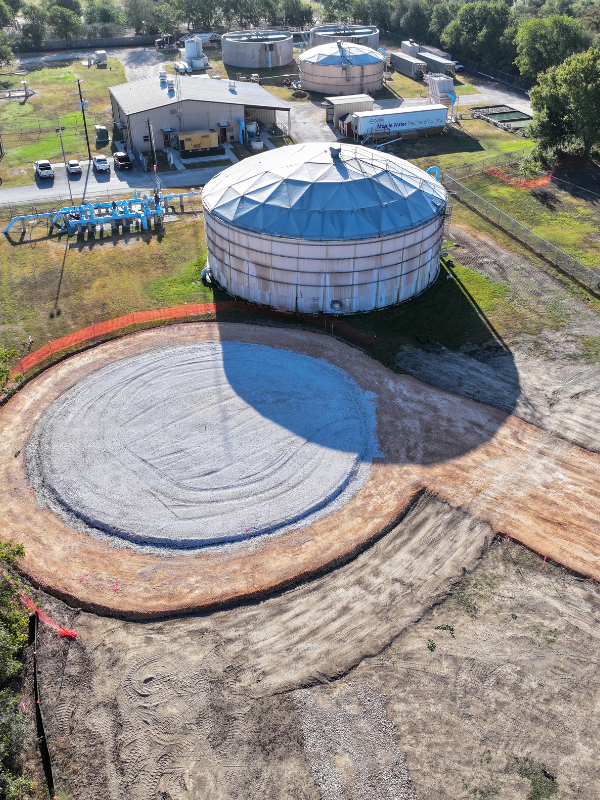
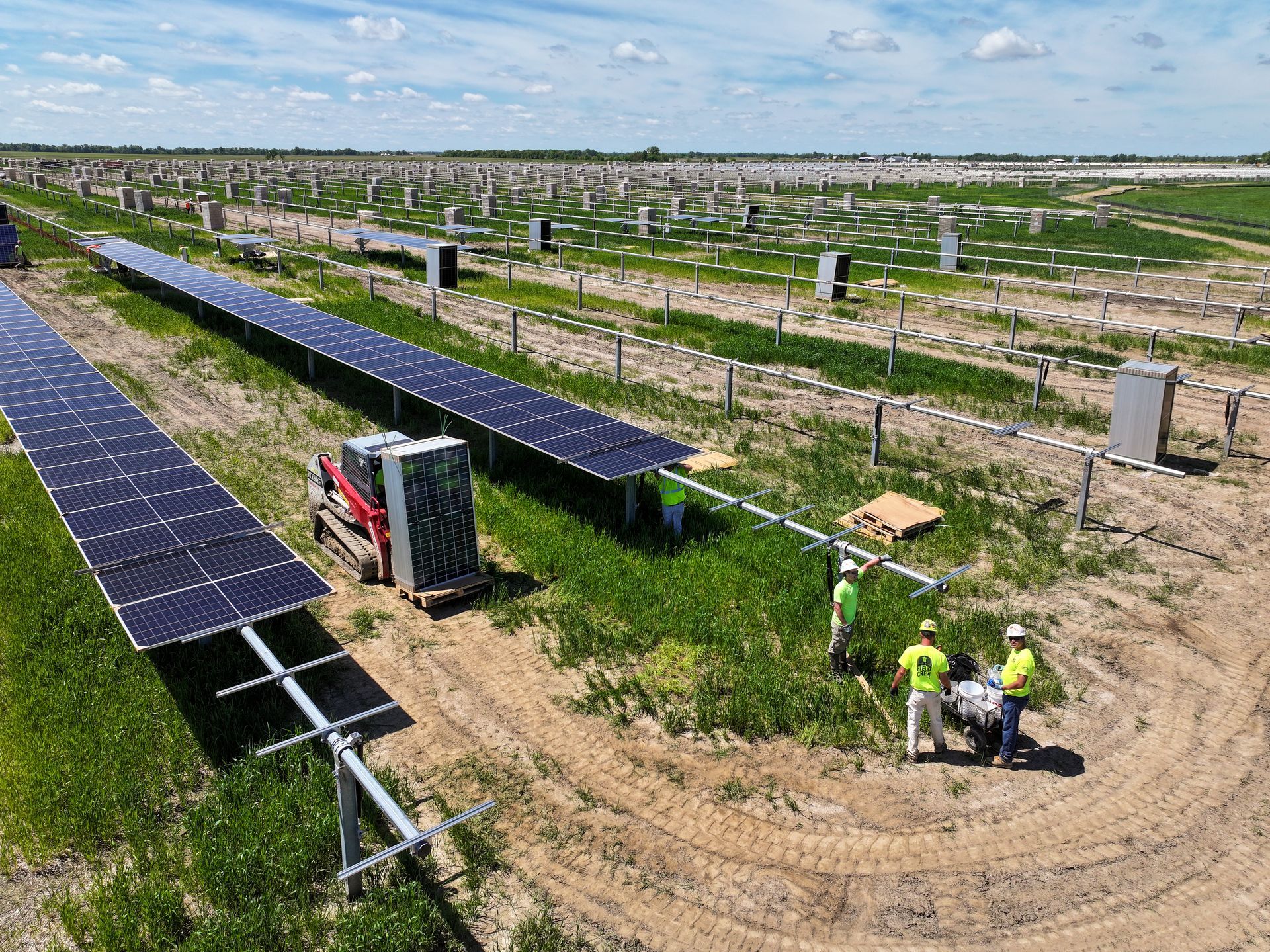
Choosing a construction company is one of the most important decisions you'll make during a major capital project. Whether you're building a manufacturing facility, expanding a water treatment plant, developing renewable energy infrastructure, or constructing a new corporate headquarters, the right partner can keep your project on schedule, on budget, and aligned with your goals. Understanding how to choose a construction company for large projects begins with clear criteria for the selection of contractor candidates and a consistent process for selecting contractors.
While cost matters, selecting a contractor based solely on the lowest bid can create unnecessary risk. Large, complex projects require experienced teams that can manage planning, coordination, safety, procurement, and construction while adapting to changing conditions. Knowing how to select a contractor—using transparent evaluation standards—helps owners make informed decisions and manage large construction projects more effectively.
Start with Relevant Experience
Ask whether the contractor has completed projects similar to yours and at your scale. Look for experience in industrial manufacturing, commercial buildings, water and wastewater infrastructure, renewable energy, utility infrastructure, healthcare, and transportation. A contractor that regularly builds projects like yours will understand technical requirements, permitting, and common challenges.
Interview questions to ask a contractor include:
- Have you completed projects of similar size and complexity? Can you provide examples and contacts?
- What lessons learned from past projects will you apply here?
- Who will be on our core team, and what are their qualifications?
Evaluate Safety, Licensing, and Insurance
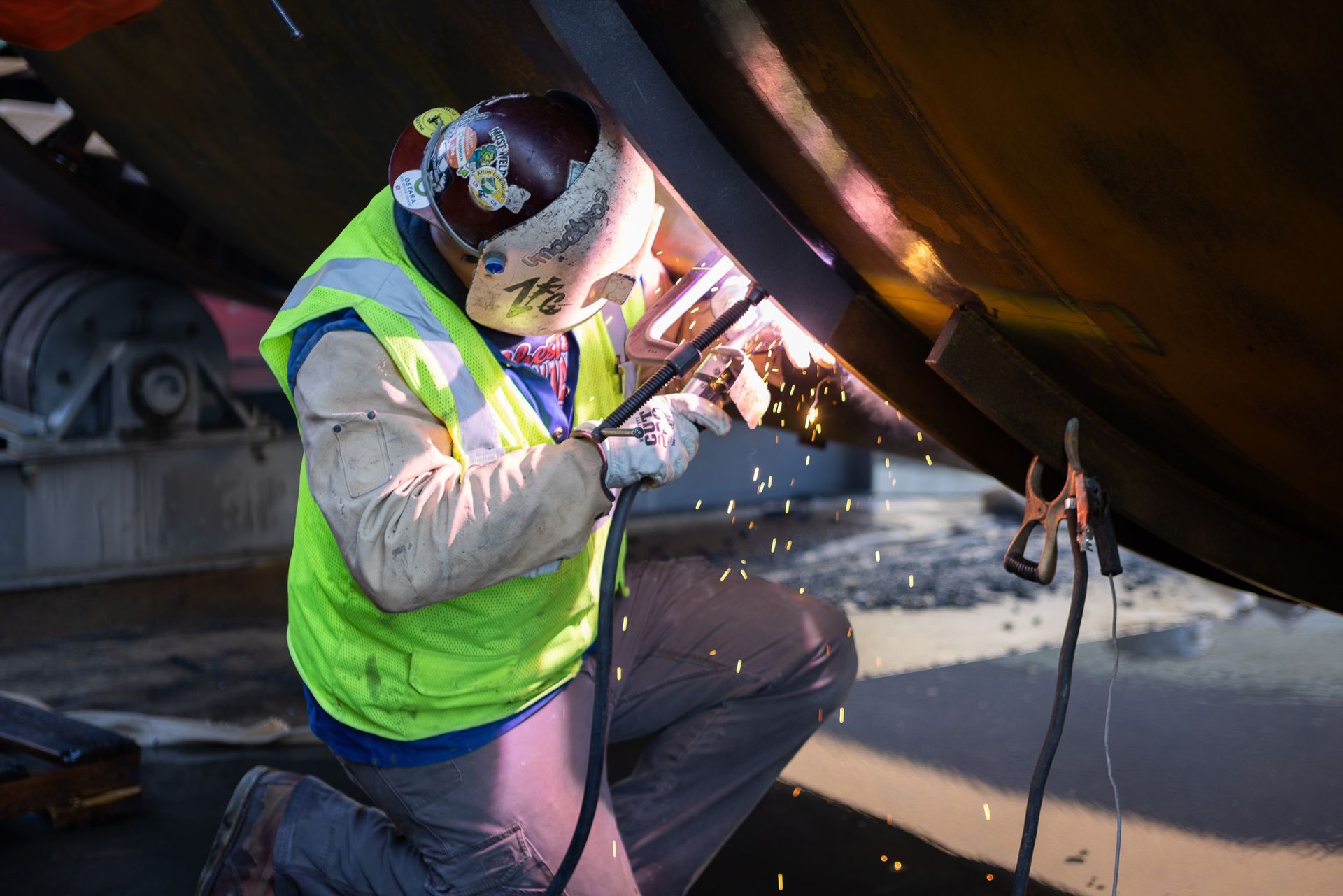
Safety performance is a key indicator of disciplined project management. Ask about OSHA metrics, EMR, training programs, site-specific safety plans, and safety leadership involvement. To verify a contractor’s licensing and insurance, request copies of state/municipal licenses, certificates of insurance (general liability, workers’ compensation, auto), and bonding capacity. Confirm license status with the issuing authority and validate insurance directly with the carrier or broker. This step is essential in the selection of contractor finalists and when selecting contractors for award.
Assess Delivery and Management Capabilities
Not every contractor delivers projects the same way. Common methods include design-build (single contract for design and construction), construction management, and design-bid-build. The right choice depends on your schedule, budget, and risk profile. Discuss project management structure, reporting cadence, digital tools, decision-making processes, and change management. Ask how they plan to manage procurement, long-lead items, vendor coordination, and schedule risks—crucial when you manage large construction projects.
Look Beyond Price to Total Value
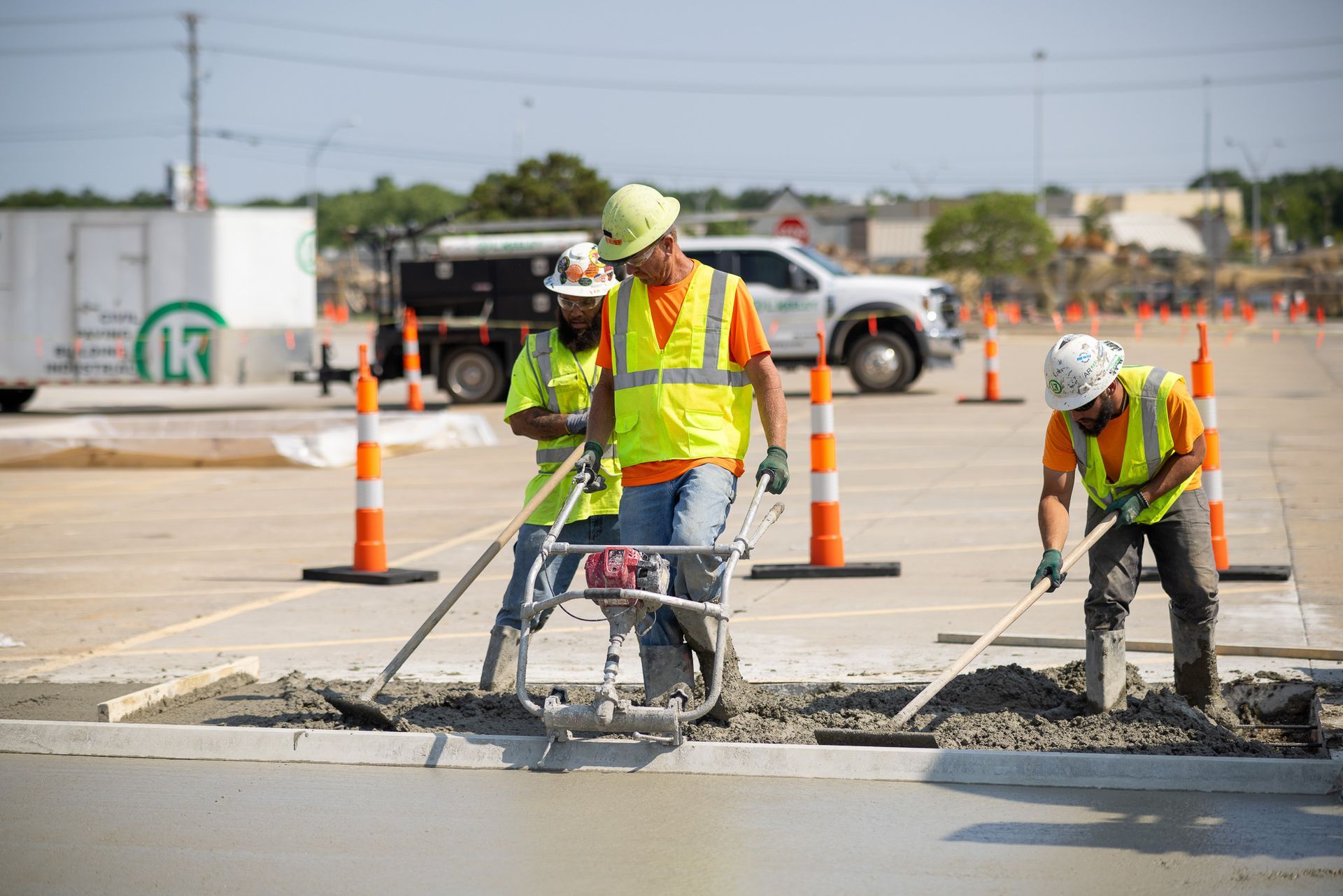
When comparing proposals, consider scope completeness, schedule assumptions, approach, staffing plan, experience level, included services, and exclusions. Identify self-perform capabilities (e.g., earthwork, concrete, utilities, structural work, mechanical installation), which can improve schedule flexibility, quality control, and field coordination.
Financial Stability and References
Request bonding capacity, surety relationships, financial references, and insurance information to confirm the resources needed to finish the job. Speak with references about communication, schedule performance, budget management, quality, safety, responsiveness, and overall experience. Past performance is a strong predictor of future results and should weigh heavily when you evaluate how to choose a construction company for large projects.
How to Select a Contractor: A Quick Checklist
- Define objectives, budget, schedule, and delivery method preferences.
- Prequalify firms for experience, safety, financials, and capacity.
- Issue a clear RFP with scope, milestones, and evaluation criteria.
- Score proposals on value, not just price, using weighted criteria.
- Conduct interviews and ask targeted questions (see below).
- Verify licensing, insurance, and references before award.
- Negotiate terms, risk allocation, communication plans, and KPIs.
Questions to Ask a Contractor in Interviews
- What risks do you see in this project and how will you mitigate them?
- How will you staff the project and maintain schedule control?
- What is your plan for procurement and long-lead items?
- Which work will you self-perform versus subcontract, and why?
- How do you manage changes and keep stakeholders informed?
Frequently Asked Questions
How to select a contractor for a project?
Define priorities, prequalify firms, and use weighted criteria (experience, safety, approach, price, capacity). Interview teams, verify licensing/insurance, check references, and select the best-value proposal. This structured approach to the selection of contractor candidates improves outcomes.
How to manage large construction projects?
Choose the right delivery method, set clear governance and reporting, use robust scheduling and cost controls, manage procurement proactively, and maintain strong safety and quality programs. Early contractor involvement helps de-risk budgets and schedules.
What criteria should I use to evaluate potential contractors?
Relevant experience, safety performance, licensing/insurance, financial stability, project approach, self-perform capability, staffing, supply chain management, and past performance.
How do I verify a contractor's licensing and insurance?
Request license copies and confirm with the issuing authority; obtain certificates of insurance and confirm coverage with the carrier/broker; review bonding capacity with the surety. Document everything before award.
What questions should I ask a contractor during an interview?
Ask about similar projects, risk mitigation, staffing, schedule control, procurement, change management, technology, and communication plans. These questions are central to how to choose a construction company for large projects and to selecting contractors with confidence.