How Does a Wastewater Treatment Plant Actually Work?
What Is a Wastewater Treatment Plant?
A wastewater treatment plant is a facility designed to remove contaminants from used water before it is returned to the environment or reused.
Wastewater may come from:
- Homes
- Businesses
- Industrial facilities
- Stormwater systems
- Municipal sewer systems
Treatment plants help remove:
- Solids
- Organic material
- Nutrients
- Bacteria and pathogens
- Chemicals and pollutants
The goal is to protect both public health and natural ecosystems by using core wastewater treatment plant components efficiently.
Step 1: Collection and Influent Flow
The treatment process begins when wastewater travels through underground sewer systems and enters the treatment facility. This overview of how wastewater treatment plants work starts with reliable conveyance.
This incoming wastewater is commonly called influent.
Influent may contain:
- Organic waste
- Trash and debris
- Sand and grit
- Oils and grease
- Chemicals and nutrients
Before treatment begins, plants must manage large fluctuations in flow caused by weather events, industrial activity, and population demand.
Step 2: Screening and Preliminary Treatment
The first treatment stage removes large debris and materials that could damage equipment.
This process often includes:
- Bar screens
- Mechanical screening systems
- Grit removal chambers
- Grease removal systems
Preliminary treatment helps protect pumps, pipes, and downstream wastewater treatment plant components from excessive wear or blockage.
Step 3: Primary Treatment
After screening, wastewater enters large settling tanks known as primary clarifiers.
During primary treatment:
- Heavier solids settle to the bottom
- Oils and grease rise to the surface
- Mechanical equipment removes collected material
The settled material becomes primary sludge, which moves to later processing stages.
Primary treatment removes a significant portion of suspended solids before biological treatment begins and is key to how does a wastewater treatment plant work efficiently.
Step 4: Secondary (Biological) Treatment
Secondary treatment is often the most important phase of the wastewater treatment process.
During this stage, microorganisms break down dissolved organic material in the wastewater.
Common biological treatment systems include:
- Activated sludge systems
- Aeration basins
- Trickling filters
- Biological nutrient removal systems
How Biological Treatment Works
Air is introduced into aeration tanks to support the growth of beneficial microorganisms.
These microorganisms consume organic contaminants and help clean the water naturally.
After biological treatment, the water typically flows into secondary clarifiers, where microorganisms settle out before additional treatment occurs. This step further demonstrates how does sewage treatment work within integrated processes.
Step 5: Nutrient Removal and Advanced Treatment
Some facilities include advanced treatment systems designed to remove nutrients and additional contaminants.
Advanced treatment may target:
- Nitrogen
- Phosphorus
- Fine suspended solids
- Emerging contaminants
Additional processes may include:
- Filtration systems
- Membrane technologies
- Chemical treatment systems
- Advanced biological processes
Nutrient removal has become increasingly important as environmental regulations continue evolving and is central to how does a sewage treatment plant work to protect waterways.
Step 6: Disinfection
Before treated water is discharged or reused, facilities disinfect the effluent to reduce pathogens and microorganisms.
Common disinfection methods include:
- Chlorine disinfection
- Ultraviolet (UV) systems
- Ozone treatment
Disinfection helps ensure treated water meets environmental and public health standards and underscores how does a wastewater treatment plant work to safeguard communities.
Step 7: Effluent Discharge or Reuse
Once treatment is complete, the cleaned water—known as effluent—is released into rivers, lakes, or other receiving waters.
In some cases, treated water may be reused for:
- Irrigation
- Industrial processes
- Cooling systems
- Water reuse programs
Water reuse infrastructure continues to expand in many growing regions and forms part of how wastewater treatment plants work sustainably.
What Happens to the Sludge?
The solids removed during treatment become sludge or biosolids that require additional processing.
Sludge treatment may include:
- Thickening
- Digestion
- Dewatering
- Drying
- Disposal or beneficial reuse
Some facilities also produce renewable energy through anaerobic digestion and renewable natural gas systems.
Common Infrastructure Inside a Wastewater Treatment Plant
Wastewater facilities often include:
- Pump stations
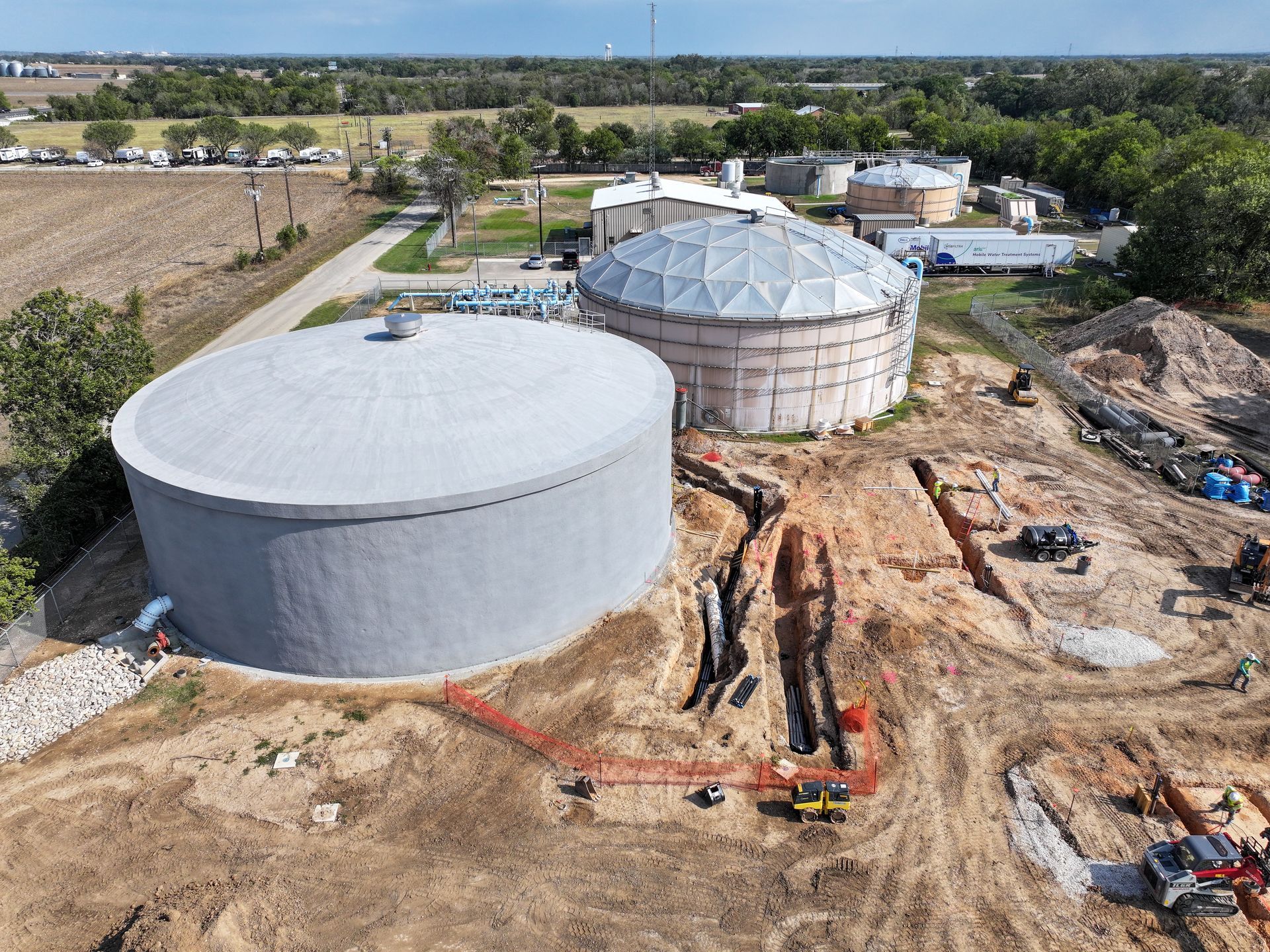
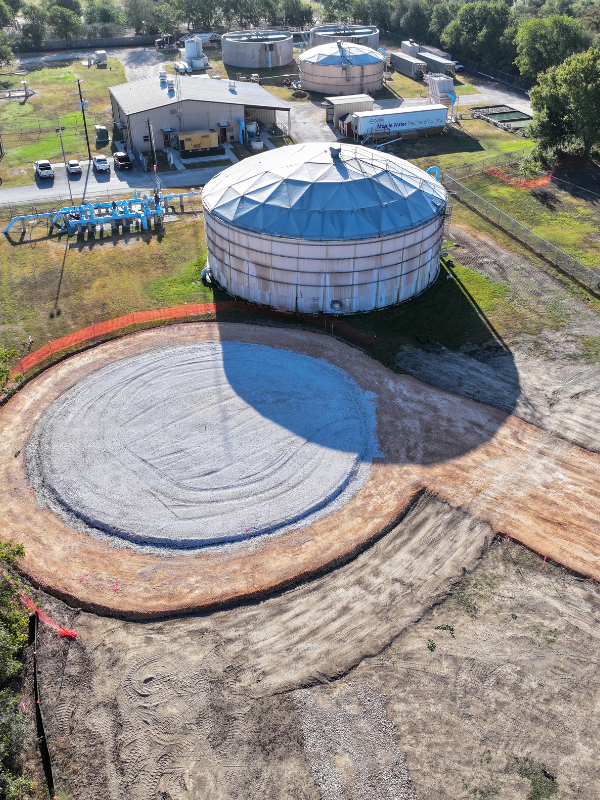
- Clarifiers
- Aeration basins
- Chemical feed systems
- Electrical infrastructure
- Control buildings
- Pipelines and underground utilities
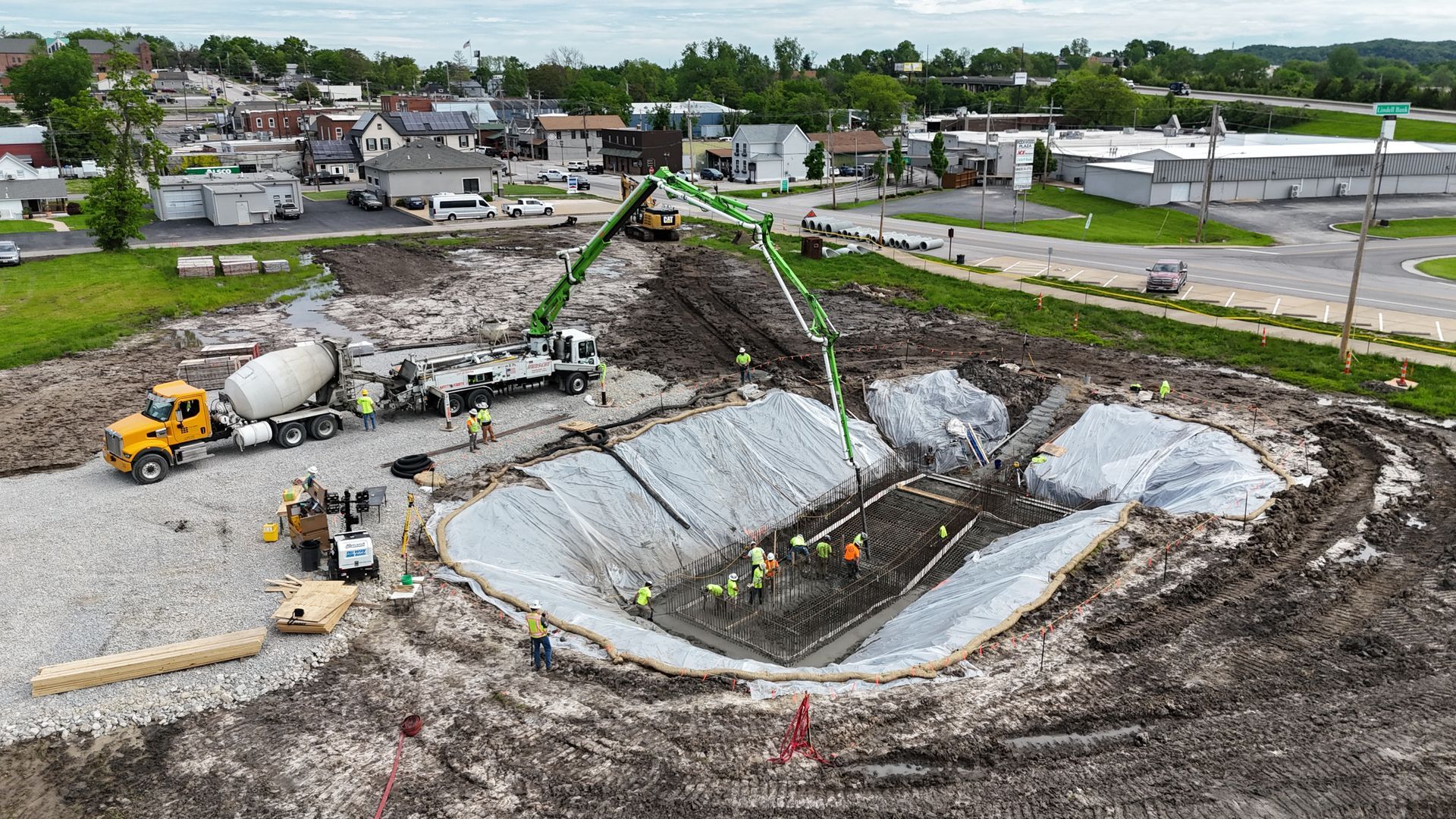
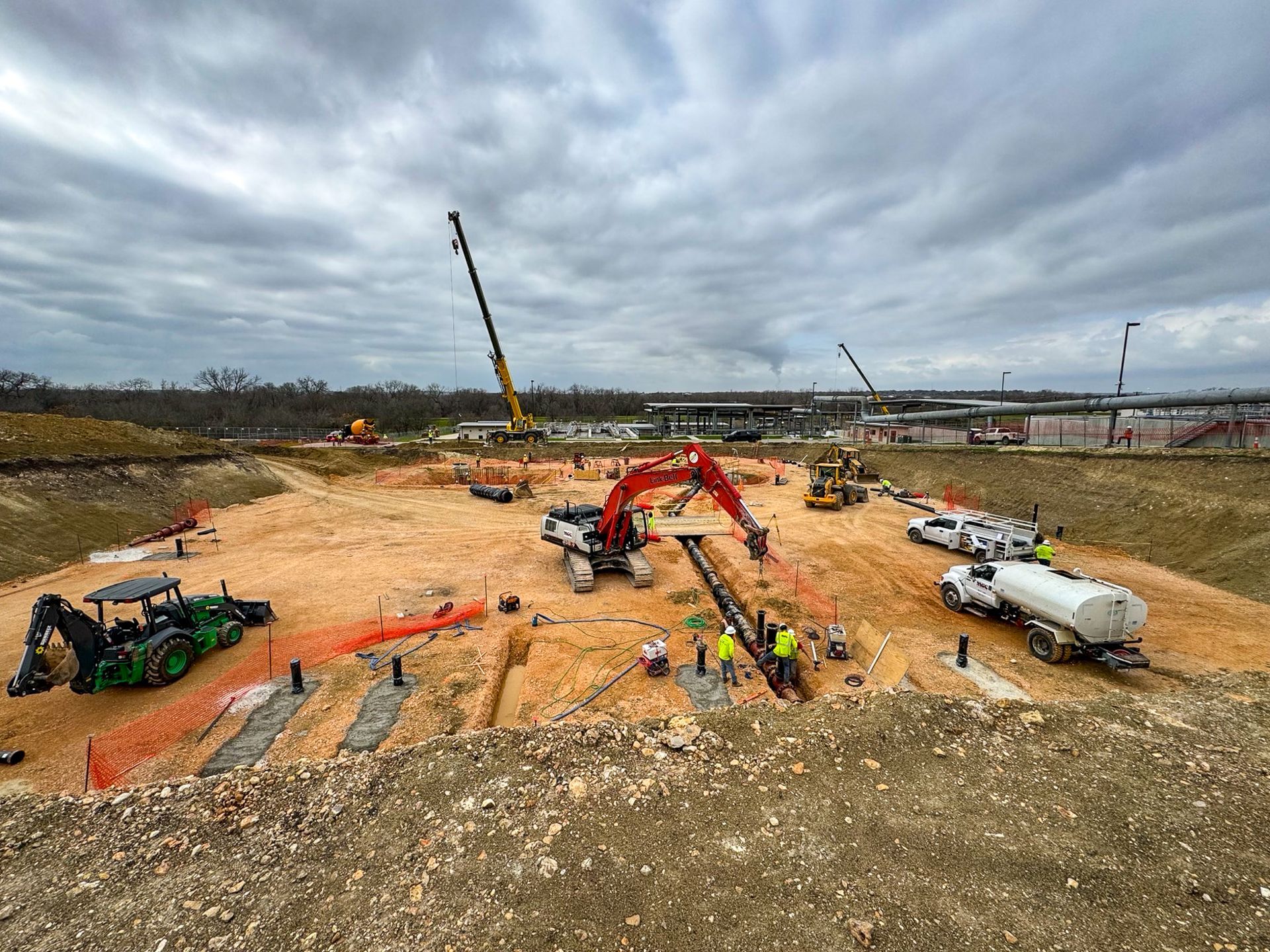
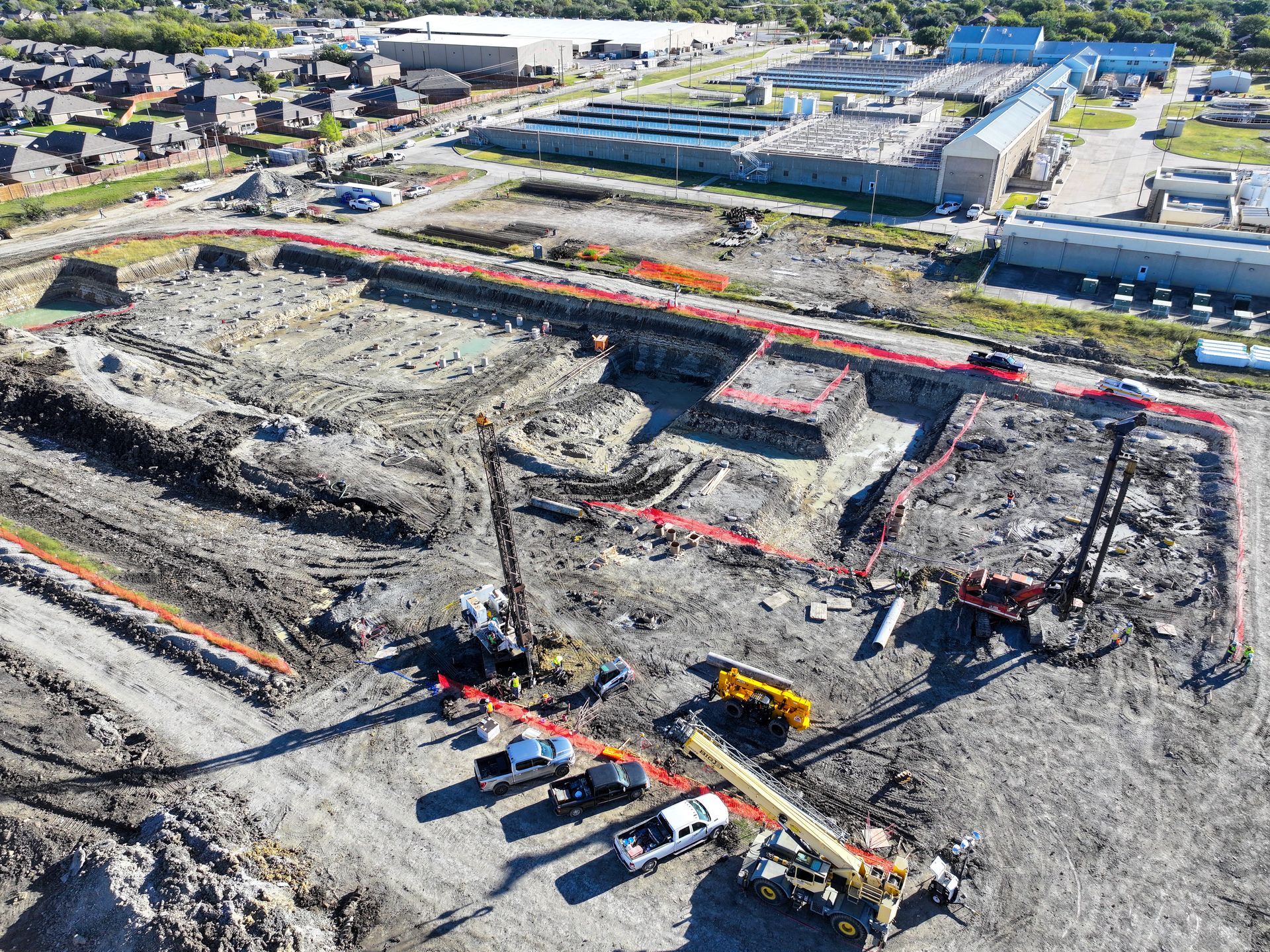
Because these systems operate continuously, construction and upgrades often require careful phasing to maintain plant operations and coordinate wastewater treatment plant components.
Challenges in Wastewater Treatment Plant Construction and Upgrades
Modernization and expansion projects often involve unique infrastructure challenges.
Aging Infrastructure
Many facilities require upgrades to meet growing demand and evolving regulations.
Operational Continuity
Treatment plants must remain operational during construction activities.
Utility and Process Coordination
Projects frequently involve complex mechanical, electrical, and process systems working simultaneously.
Regulatory Compliance
Facilities must meet strict environmental and discharge standards.
Experienced infrastructure teams often help utilities minimize disruptions while improving long-term system reliability.
Frequently Asked Questions
Where does wastewater go after treatment?
Treated water is typically discharged into rivers, lakes, or reused for non-potable applications depending on facility capabilities and regulations.
Do wastewater treatment plants remove all contaminants?
Treatment plants remove many contaminants, but treatment levels vary depending on facility design, regulations, and treatment technology.
Why do wastewater plants smell?
Odors are often caused by organic material and biological treatment processes, though facilities commonly use odor control systems to minimize impacts.
Supporting Communities Through Critical Infrastructure
Wastewater treatment plants operate behind the scenes, but they play a vital role in protecting public health, supporting economic development, and maintaining environmental quality. As communities continue growing, utilities are investing in modern treatment technologies and infrastructure improvements to meet future demand.
Understanding how wastewater treatment plants work highlights the complexity and importance of the infrastructure systems communities rely on every day and clarifies how does sewage treatment work in practice across key wastewater treatment plant components.