Guide to UV and Ozone Disinfection for Public Water Systems
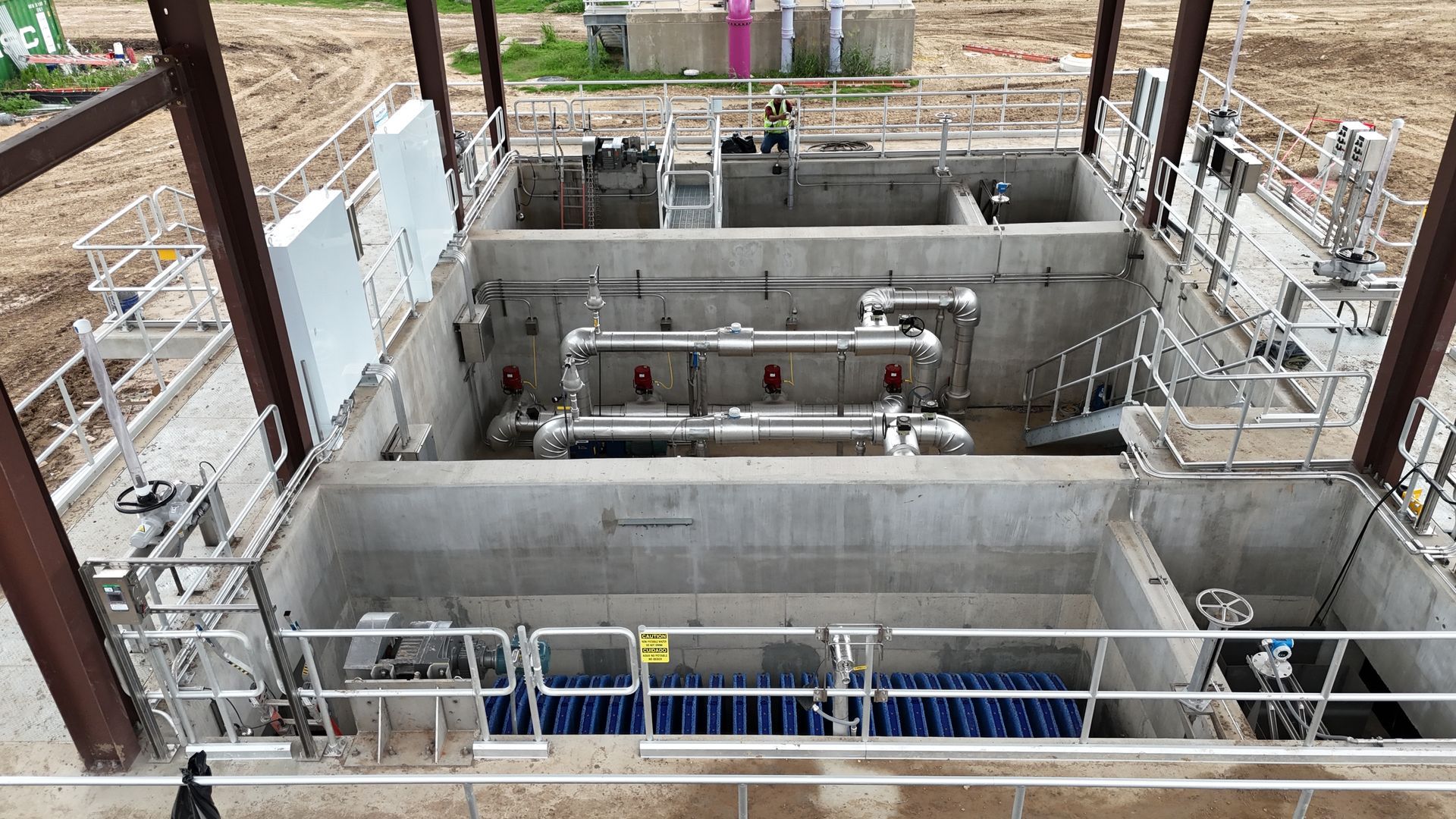
What Is Water Disinfection?
Water disinfection eliminates or inactivates harmful microorganisms before treated water enters the public distribution system.
Disinfection systems help control:
- Bacteria
- Viruses
- Protozoa
- Other pathogens that may affect public health
Facilities often use multiple treatment barriers to improve water quality and regulatory compliance, including UV systems integrated with filtration such as water filtration uv systems and uv water filter systems.
What Is UV Disinfection?
Ultraviolet disinfection uses UV light to inactivate microorganisms by damaging their DNA/RNA and preventing reproduction. UV systems are commonly installed near the end of treatment before distribution.
How UV Disinfection Works
- UV reactor chambers
- UV lamps
- Monitoring and control systems
- Electrical infrastructure
- Flow control systems
As water passes through the reactor, UV light inactivates microbes. UV does not add chemicals and does not form regulated disinfection by-products. It is highly effective against chlorine-resistant organisms such as Cryptosporidium and Giardia, and reliably inactivates many bacteria and viruses when properly validated and dosed. Modern ultraviolet water disinfection systems are often paired with uv water filter systems to ensure clarity and dose delivery.
Advantages and Considerations for UV
- No chemicals added; no taste or odor impacts
- Targets chlorine-resistant protozoa; broad efficacy for bacteria and many viruses
- Compact footprint and rapid on/off control
- Requires power quality, lamp maintenance, sleeve cleaning, and upstream turbidity control
UV provides no lasting residual in the distribution system, so a secondary disinfectant (e.g., chlorine or chloramine) is typically maintained. In many public facilities, water filtration uv systems help stabilize UV transmittance, improving performance of ultraviolet water disinfection systems.
What Is Ozone Disinfection?
Ozone (O₃) is a powerful oxidant generated onsite and injected into water. Beyond disinfection, ozone can oxidize iron, manganese, sulfides, taste-and-odor compounds, and some micropollutants, improving overall treatment performance.
How Ozone Treatment Works
- Ozone generators and oxygen supply
- Contactors for mass transfer
- Off-gas destruct systems
- Process piping, controls, and safety systems
Ozone reacts with microorganisms and contaminants during contact, then decomposes to oxygen. It can brighten color, improve taste and odor, and support advanced oxidation when combined with hydrogen peroxide or UV. Many plants install ozone generators for water treatment to address multiple aesthetic and regulatory goals concurrently.
Advantages and Considerations for Ozone
- Strong oxidation and broad-spectrum disinfection
- Improves taste and odor; reduces color
- Enhances coagulation and downstream filtration
- Higher capital and energy needs; requires oxygen supply and off-gas handling
Ozone does not leave a distribution residual and can form disinfection by-products such as bromate in bromide-containing waters if not carefully controlled. Process optimization manages by-product formation while delivering aesthetic benefits, and properly sized ozone generators for water treatment help match dose to water quality.
UV vs. Ozone: How They Compare
- Pathogen control: UV excels at inactivating Cryptosporidium and Giardia and effectively treats many bacteria and viruses; ozone is also a powerful disinfectant but is often selected for its broader oxidation benefits.
- Taste, odor, and by-products: UV has no taste/odor impact and forms no regulated DBPs; ozone can significantly improve taste and odor but may form bromate without proper control.
- Infrastructure: UV is compact with electrical focus; ozone needs generators, oxygen, contactors, and off-gas destruct.
- Operations: UV requires lamp/sleeve maintenance and clear water; ozone requires gas safety, feed control, and monitoring.
Can UV and Ozone Be Used Together?
Yes. Many facilities combine ozone for oxidation and aesthetic improvements with UV for robust pathogen inactivation, often alongside filtration and a secondary disinfectant for distribution residual. UV/ozone can also be paired in advanced oxidation processes for targeted contaminant removal, a common strategy in UV and ozone disinfection for public water systems.
Key Selection Factors
- Regulatory requirements and validated pathogen credits
- Source water quality (turbidity, organics, bromide, taste/odor)
- Existing footprint, power, oxygen supply, and constructability
- Lifecycle costs, energy use, maintenance, and operator training
- Construction phasing to maintain continuous plant operations
Supporting the Future of Water Infrastructure
As treatment goals evolve, both UV and ozone are vital tools. UV offers chemical-free, reliable pathogen inactivation, especially for protozoa, and is strengthened by uv water filter systems that stabilize water quality. Ozone enhances overall water quality, improves taste and odor, and supports advanced oxidation, with careful management of by-products through right-sized ozone generators for water treatment. Selecting, integrating, or combining these approaches requires coordinated planning and validated design so ultraviolet water disinfection systems and water filtration uv systems work seamlessly as part of UV and ozone disinfection for public water systems.