What Are SCADA Systems Used for in Water Treatment?
What Does SCADA Stand For?
SCADA stands for: Supervisory Control and Data Acquisition
SCADA systems are industrial control systems used to monitor, control, and automate infrastructure and operational processes. In water treatment facilities, SCADA systems allow operators to oversee large and complex treatment operations from centralized control systems, often integrated with PLC and SCADA water systems to coordinate field controls and supervisory functions.
What Do SCADA Systems Do in Water Treatment Plants?
SCADA systems collect real-time operational data from equipment throughout a facility and allow operators to monitor system performance.
Water treatment SCADA systems commonly support:
- Process monitoring
- Equipment control
- Alarm management
- Data collection and reporting
- Remote system access
- Operational automation
These systems help treatment facilities operate more efficiently while improving reliability and response times. Robust SCADA alarm management water plants rely on ensures issues are flagged quickly with actionable context.
How SCADA Systems Work
A SCADA system connects multiple pieces of treatment equipment and infrastructure into a centralized control network.
Typical components include:
Sensors and Field Devices
Sensors gather real-time information such as:
- Flow rates
- Water levels
- Pressure
- Chemical dosing
- Pump status
- Water quality conditions
Programmable Logic Controllers (PLCs)
PLCs receive information from sensors and automatically control equipment based on programmed logic. Together, PLC and SCADA water systems coordinate local control with supervisory oversight.
PLCs may operate:
- Pumps
- Valves
- Chemical feed systems
- Blowers
- Treatment equipment
Human-Machine Interface (HMI)
Operators use graphical control screens to monitor and manage plant operations.
The HMI allows teams to:
- View alarms
- Adjust settings
- Monitor equipment performance
- Analyze operational trends
Communication Networks
SCADA systems transmit information between equipment, control rooms, and remote facilities using industrial communication networks. SCADA control systems for pump stations depend on reliable communications to coordinate starts, stops, and setpoints.
Why SCADA Systems Matter in Water Treatment
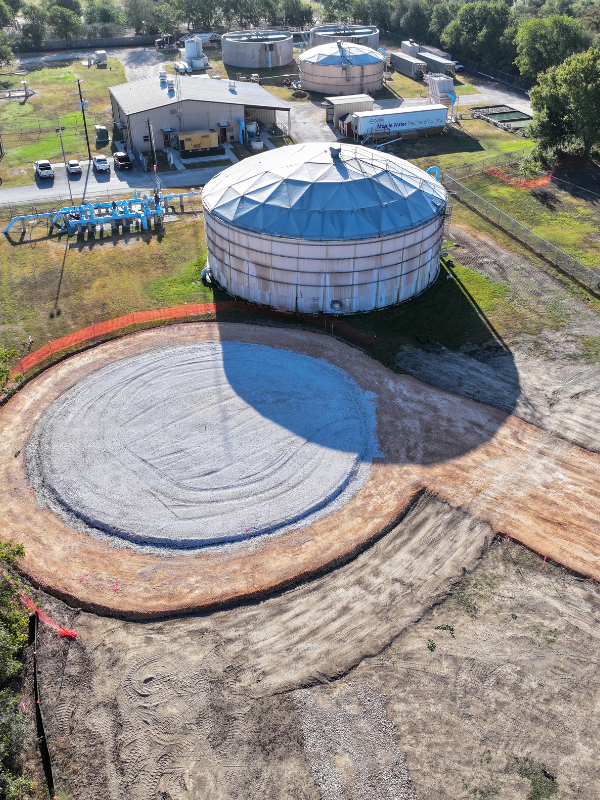
Water and wastewater treatment plants operate continuously and require reliable monitoring across large and complex systems.
SCADA systems help utilities:
Improve Operational Efficiency
Automation can reduce manual adjustments and improve process consistency across SCADA systems for water treatment.
Monitor Infrastructure in Real Time
Operators can quickly identify:
- Equipment failures
- Process disruptions
- Flow changes
- Water quality concerns
Support Regulatory Compliance
SCADA systems often collect operational data needed for reporting and compliance documentation.
Improve Response Times
Alarm systems allow operators to react quickly to operational issues before they escalate, especially with well-designed SCADA alarm management water plants require for 24/7 operations.
Manage Remote Facilities
Utilities can monitor pump stations, storage facilities, and remote infrastructure from centralized locations using SCADA control systems for pump stations integrated into enterprise platforms.
Common Applications of SCADA in Water and Wastewater Facilities
SCADA systems are used throughout treatment and utility infrastructure.
Examples include:
Water Treatment Plants
- Chemical feed control
- Filtration monitoring
- Pump operations
- Reservoir management
Wastewater Treatment Plants
- Aeration system control
- Clarifier monitoring
- Sludge processing systems
- Lift station monitoring
Distribution and Collection Systems
- Water towers
- Pump stations
- Pressure zones
- Sewer lift stations
Because utility systems often span large geographic areas, remote monitoring becomes especially valuable, and PLC and SCADA water systems streamline oversight across sites.
SCADA and Infrastructure Modernization
As utilities modernize aging infrastructure, SCADA systems often become a major part of facility upgrades.
Modernization efforts may include:
- Replacing outdated controls
- Expanding automation
- Improving cybersecurity
- Integrating new treatment technologies
- Upgrading communication systems
SCADA improvements can help utilities improve reliability and support long-term operational goals, especially in SCADA systems for water treatment and SCADA control systems for pump stations serving distributed assets.
Construction and Integration Challenges
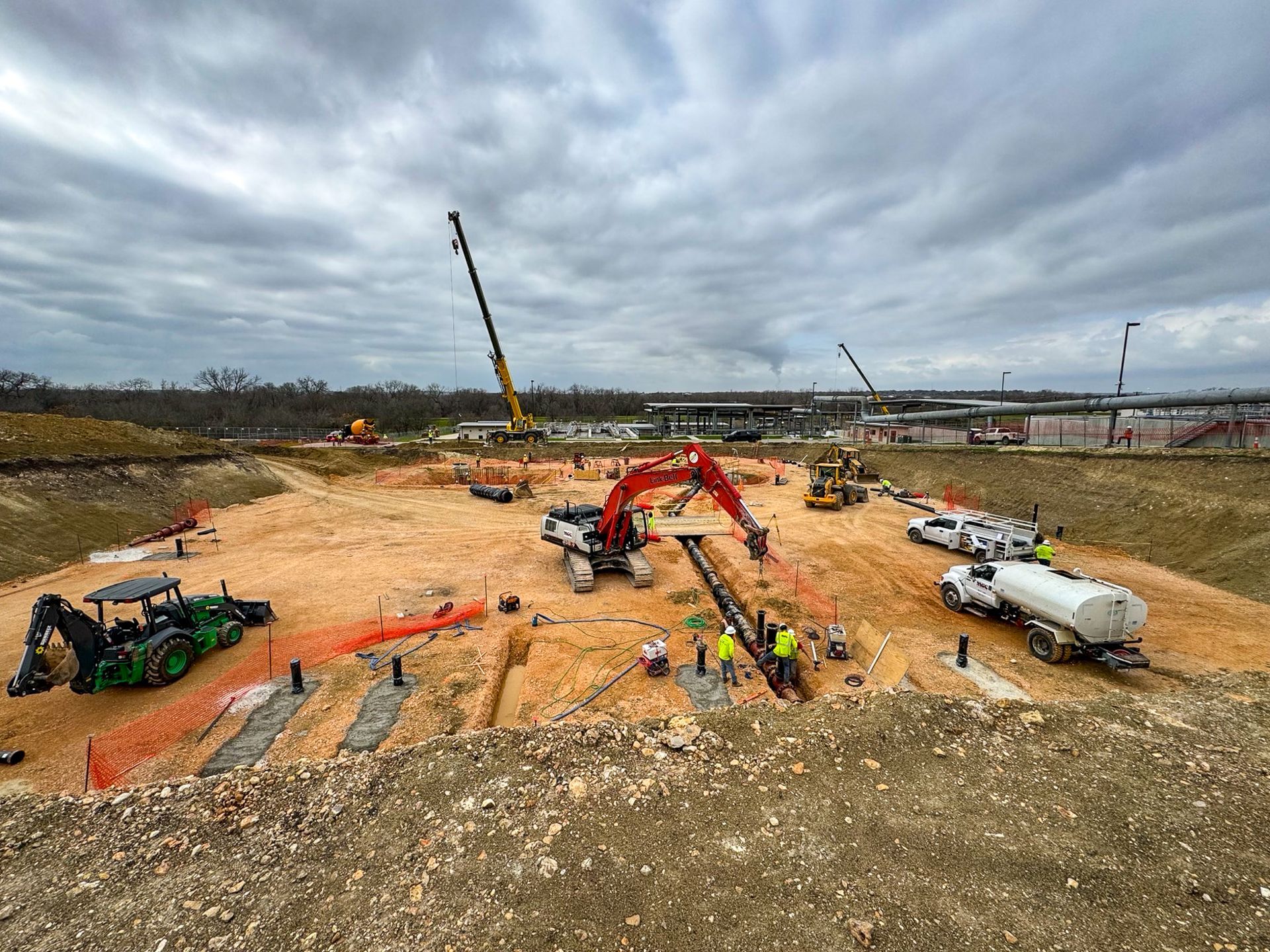
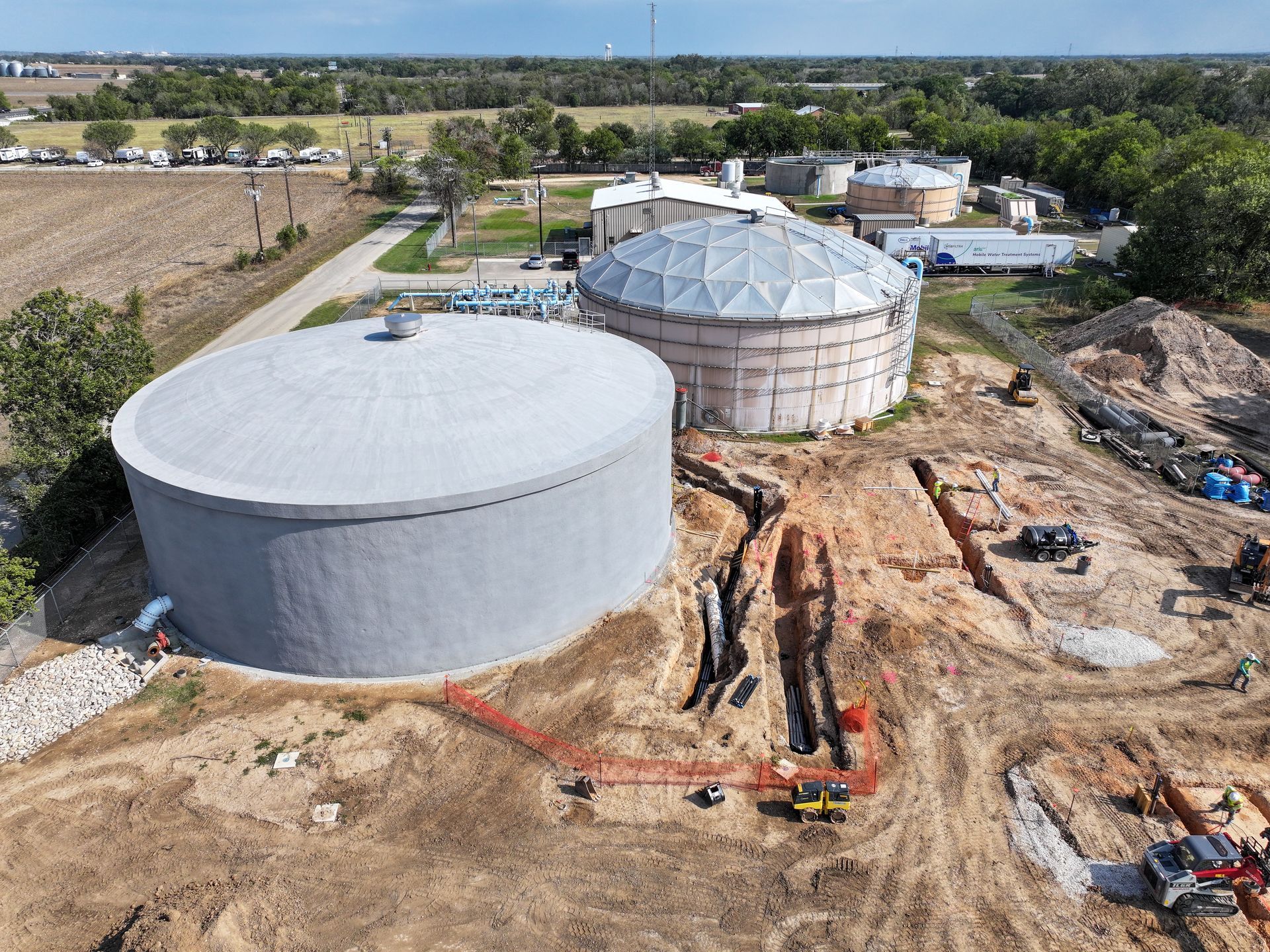
Installing or upgrading SCADA systems often requires careful coordination within active treatment facilities.
Common project challenges include:
Maintaining Plant Operations
Treatment facilities typically remain operational during upgrades.
Integrating Legacy Equipment
Older facilities may contain outdated systems requiring phased integration.
Electrical and Communication Coordination
SCADA systems rely heavily on electrical infrastructure and communication networks.
Cybersecurity Requirements
Utilities increasingly prioritize cybersecurity protection for operational technology systems.
Experienced infrastructure and controls teams often help utilities minimize operational disruptions during implementation, while refining SCADA alarm management water plants need for resilient operations.
Frequently Asked Questions
Is SCADA only used in water treatment?
No. SCADA systems are also widely used in power generation, manufacturing, oil and gas, transportation, and other industrial infrastructure sectors.
What is the difference between SCADA and PLC systems?
PLCs control specific equipment and processes, while SCADA systems provide centralized monitoring, data collection, and supervisory control across an entire facility. Together, PLC and SCADA water systems deliver end-to-end control from field devices to enterprise dashboards.
Can SCADA systems automate water treatment plants?
Yes. SCADA systems can automate many treatment processes while still allowing operators to monitor and manage facility operations, particularly in SCADA control systems for pump stations that coordinate demand and storage.
Supporting Smarter Water Infrastructure
SCADA systems have become an essential part of modern water and wastewater infrastructure. As treatment facilities continue evolving, utilities increasingly rely on automation, real-time monitoring, and integrated control systems to improve reliability, efficiency, and operational performance.
Successful SCADA implementation depends on careful planning, system integration, and experienced teams capable of coordinating controls, electrical infrastructure, and operational requirements within active treatment environments, ensuring SCADA systems for water treatment are robust and scalable.