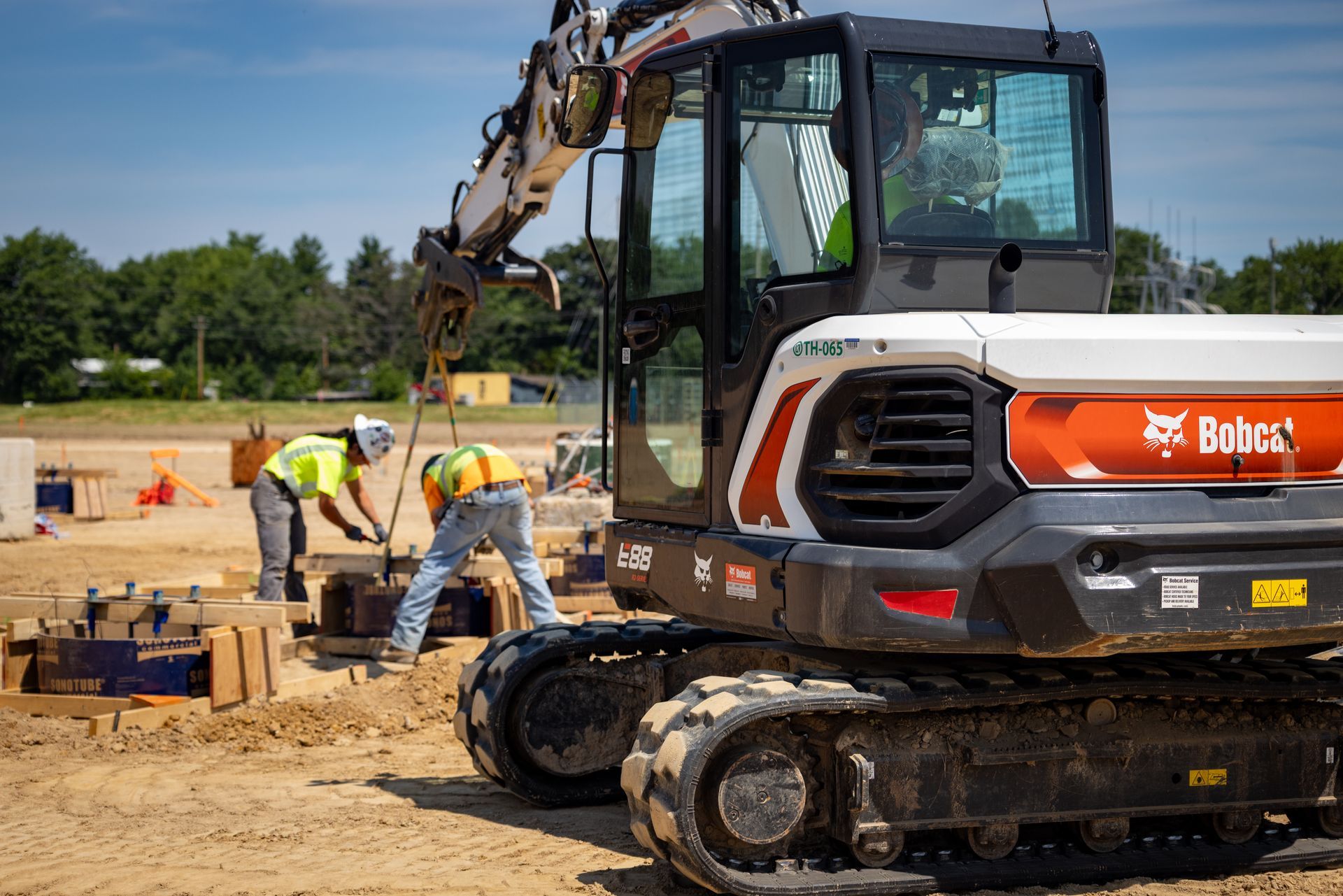
Pricing for Turnkey BESS Construction Services: What Project Owners Should Expect
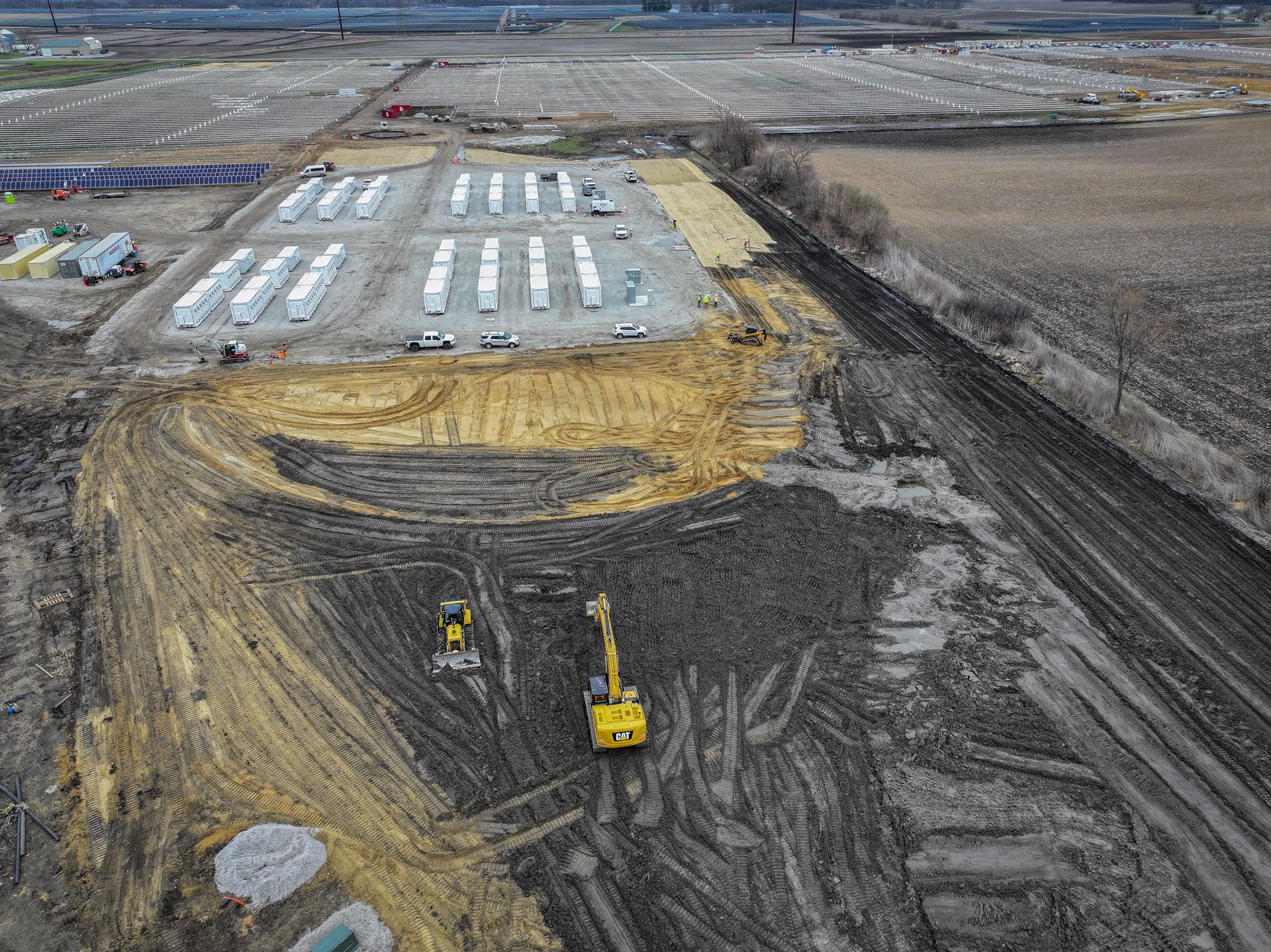
What Is a Turnkey BESS Construction Project?
A turnkey Battery Energy Storage System project typically includes engineering, procurement, construction, integration, testing, and commissioning delivered under a single contract structure.
Turnkey BESS services may include:
- Site development and civil work
- Battery container installation
- Power Conversion Systems (PCS)
- Electrical infrastructure
- Transformers and substations
- Utility interconnections
- Energy Management Systems (EMS)
- Fire protection systems
- Testing and commissioning
Turnkey delivery models are often used to improve coordination and simplify project management across multiple scopes.
Average Pricing for Turnkey BESS Construction
Utility-scale BESS pricing is commonly measured in dollars per kilowatt-hour ($/kWh) of installed storage capacity and often referenced against 4 hour BESS cost per kWh benchmarks for planning.
Recent industry estimates suggest:
- Utility-scale turnkey BESS systems often range between approximately $100–$380 per kWh installed, depending on project size, duration, and market conditions.
- Some large utility-scale projects may achieve pricing near the lower end of that range due to economies of scale.
- Commercial and industrial projects are often priced higher due to smaller system sizes and site-specific requirements.
For example:
- A 100 MW / 400 MWh utility-scale BESS facility could represent tens of millions of dollars in total EPC investment depending on project configuration and infrastructure requirements.
Because markets shift, contractors provide project-specific turnkey BESS construction pricing to reflect technology selection, BESS civil and electrical costs, and BESS construction lead times and costs unique to each site.
What Impacts Turnkey BESS Construction Pricing?
Several variables can significantly affect project cost, including line items that drive BESS civil and electrical costs and the schedule pressures tied to BESS construction lead times and costs.
System Size and Storage Duration
Larger projects may achieve lower per-kWh pricing due to economies of scale.
Pricing often varies based on:
- MW capacity
- Storage duration (2-hour, 4-hour, 8-hour systems)
- Battery chemistry
- Redundancy requirements
Longer-duration systems generally require more battery capacity and supporting infrastructure, which can shift 4 hour BESS cost per kWh relative to other durations.
Battery Technology
Battery chemistry can influence both upfront cost and long-term performance.
Common technologies include:
- Lithium Iron Phosphate (LFP)
- Nickel Manganese Cobalt (NMC)
- Flow battery systems
- Emerging long-duration storage technologies
Technology selection affects safety systems, thermal management, lifecycle expectations, and procurement timelines, all of which can alter turnkey BESS construction pricing.
Electrical Infrastructure Requirements
Electrical scope frequently becomes one of the largest cost drivers in BESS projects.
Infrastructure requirements may include:
- Substations
- Transformers
- Medium-voltage systems
- Transmission interconnections
- Utility upgrades
- Protection and control systems
Projects with complex interconnection requirements often involve higher construction and engineering costs, raising BESS civil and electrical costs and extending BESS construction lead times and costs.
Civil and Site Development
Site conditions can significantly affect installation costs.
Common site-related cost drivers include:
- Earthwork and grading
- Poor soil conditions
- Drainage infrastructure
- Floodplain mitigation
- Access roads
- Foundation systems
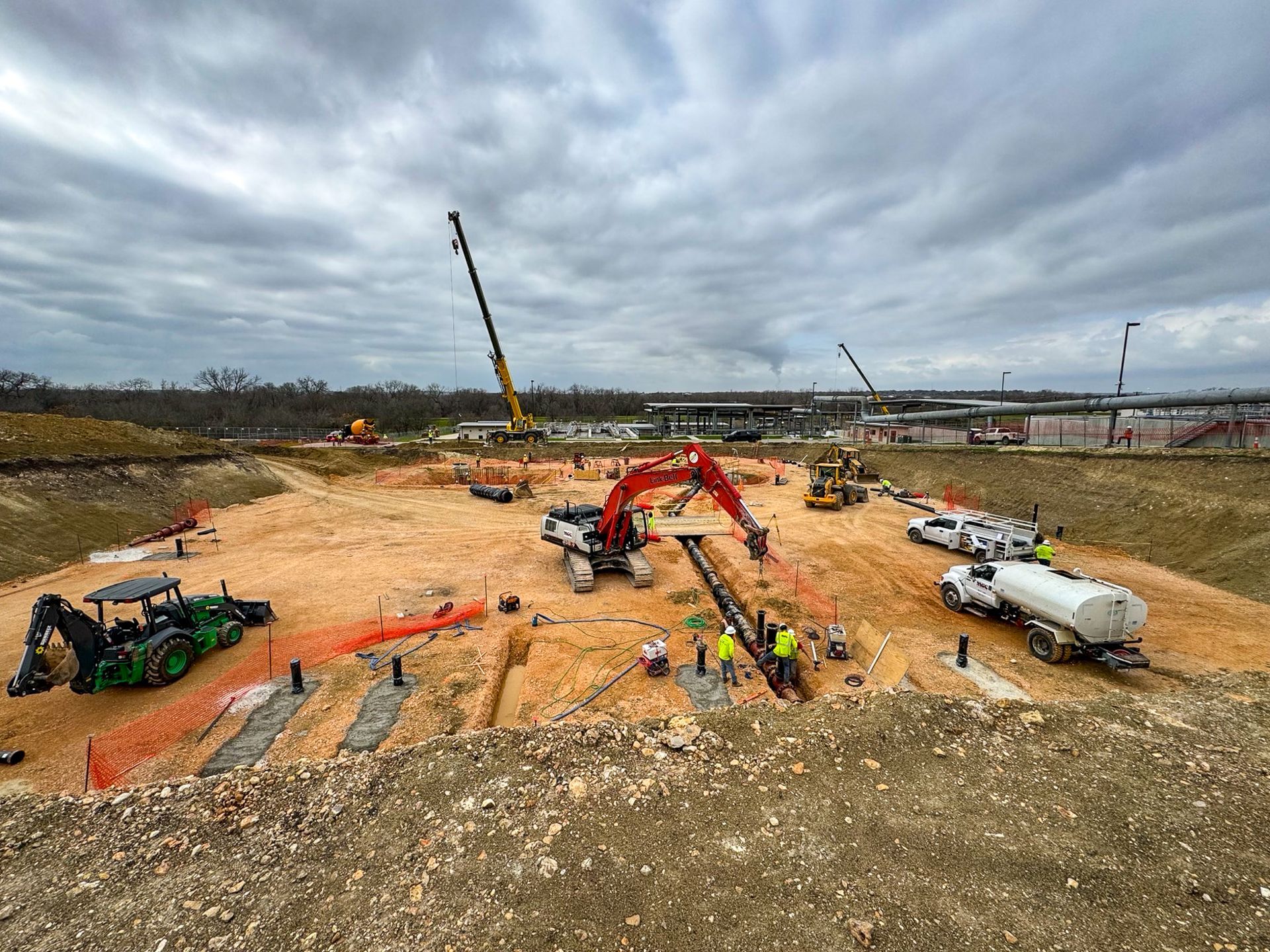
Remote or undeveloped sites may require additional infrastructure investment, increasing BESS civil and electrical costs and impacting turnkey BESS construction pricing.
Fire Protection and Safety Systems
Battery storage facilities require extensive safety planning and code compliance.
Projects may include:
- Fire suppression systems
- Thermal management systems
- Gas detection
- Emergency access planning
- Separation distances
As regulations evolve, safety systems continue to play a larger role in project design and pricing.
What Is Typically Included in Turnkey BESS EPC Services?
Turnkey EPC contractors often provide integrated project delivery across multiple phases.
Typical services may include:
Engineering
- Site layout and design
- Electrical engineering
- Utility coordination
- Civil and structural engineering
Procurement
- Battery systems
- PCS equipment
- Transformers
- Switchgear
- Control systems
Construction
- Civil/site development
- Electrical installation
- Equipment placement
- Utility infrastructure
Commissioning
- Testing and startup
- Utility energization support
- System integration
- Performance verification
Integrated delivery models can help streamline coordination between engineering and construction teams and clarify BESS construction lead times and costs within a single schedule.
Common Challenges That Affect BESS Project Costs
Equipment Procurement Delays
Battery systems, transformers, and switchgear may involve extended lead times that directly impact BESS construction lead times and costs.
Utility Coordination
Interconnection studies and utility approvals frequently affect schedules and budgets.
Evolving Regulations
Battery storage codes and permitting requirements continue to develop across jurisdictions.
Supply Chain Volatility
Global demand for battery technologies can affect pricing and availability, influencing turnkey BESS construction pricing and the 4 hour BESS cost per kWh achievable at contract award.
Early contractor involvement can help identify these risks before construction begins.
Frequently Asked Questions
How are turnkey BESS projects priced?
Most utility-scale projects are priced based on installed cost per kilowatt-hour ($/kWh) or total EPC project cost, with many owners referencing turnkey BESS construction pricing against duration-specific benchmarks like 4 hour BESS cost per kWh.
What is included in turnkey BESS construction?
Turnkey delivery often includes engineering, procurement, civil work, electrical infrastructure, battery installation, testing, and commissioning—consolidating BESS civil and electrical costs in one EPC scope.
Why do BESS project costs vary so much?
Pricing depends on system size, storage duration, electrical infrastructure, site conditions, battery technology, and permitting requirements, as well as BESS construction lead times and costs driven by market and utility factors.
Building Successful Battery Storage Projects
As energy storage demand continues to grow, turnkey BESS delivery models are becoming increasingly common for utility-scale and industrial energy projects. While battery pricing often receives the most attention, successful projects depend on much more than equipment costs alone.
Civil infrastructure, electrical systems, utility coordination, procurement planning, and safety integration all play a major role in total project cost and long-term operational success. Clear visibility into turnkey BESS construction pricing, realistic assumptions for BESS construction lead times and costs, and accurate accounting of BESS civil and electrical costs help set achievable budgets and timelines.
Organizations that prioritize early planning and experienced infrastructure partners can often create a smoother path from development through commissioning.