How to Find a Construction Company With a Good Safety Record
Why Safety Matters When Choosing a Contractor
Safety impacts nearly every aspect of a construction project.
Strong safety performance can help:
- Reduce workplace incidents
- Minimize project disruptions
- Improve workforce productivity
- Protect project schedules
- Reduce liability risks
- Strengthen quality control
Many owners view a construction company safety record as an indicator of how well a contractor manages projects overall.
Look Beyond “Safety First” Statements
Most construction companies promote safety as a core value, but owners should evaluate objective evidence rather than relying solely on company messaging.
Instead of asking whether safety is important, ask how the contractor measures and manages their construction safety record and what appears on their construction safety audit checklist.
Review OSHA Safety Metrics
One of the most common ways to evaluate contractor safety is through industry-standard performance metrics.
Total Recordable Incident Rate (TRIR)
OSHA’s Total Recordable Incident Rate (TRIR) is the number of OSHA-recordable incidents per 100 full-time workers. TRIR is calculated as: (Number of OSHA-recordable cases × 200,000) ÷ Total hours worked by all employees in the year. The 200,000 figure represents 100 employees working 40 hours per week for 50 weeks. Incidents that count toward TRIR include work-related cases requiring medical treatment beyond first aid, days away from work, restricted work or transfer, loss of consciousness, significant diagnosed injuries or illnesses, and fatalities.
A lower TRIR generally indicates stronger safety performance. What is a good TRIR varies by industry; owners should compare a contractor’s TRIR to current BLS industry averages for similar construction sectors and scopes. Many owners review TRIR at least annually and monitor trends quarterly to catch issues early.
Days Away, Restricted, or Transferred (DART) Rate
The DART rate tracks incidents that result in:
- Lost workdays
- Restricted duties
- Job transfers
This metric provides additional insight into incident severity and complements a contractor’s construction safety record. As with TRIR, compare against relevant industry benchmarks and review trends regularly.
Evaluate Experience Modification Rate (EMR)
The Experience Modification Rate (EMR) is commonly used by insurance providers to assess risk.
An EMR of:
- 1.0 represents the industry average
- Below 1.0 generally indicates better-than-average safety performance
- Above 1.0 may indicate a higher incident history
Many owners request EMR information during contractor prequalification to validate the overall construction safety record.
Ask About Safety Training Programs
Strong safety performance is often supported by ongoing workforce training.
Questions to ask include:
- How frequently is safety training conducted?
- Are new employees required to complete onboarding programs?
- What specialized certifications do field personnel maintain?
- How are subcontractors trained and managed?
Contractors that invest heavily in training often demonstrate stronger safety cultures and a better construction company safety record.
Assess Leadership Commitment to Safety
Safety culture starts with leadership.
Look for evidence that company leadership is actively involved in:
- Safety planning
- Site visits
- Incident reviews
- Workforce engagement
- Continuous improvement initiatives
Organizations where safety is visibly supported by leadership often achieve stronger long-term results reflected in their construction safety record.
Review Site-Specific Safety Planning
Every project presents unique risks.
Experienced contractors typically develop:
- Site-specific safety plans
- Job hazard analyses
- Emergency response procedures
- Activity hazard assessments
- Daily safety meetings
Project-specific planning demonstrates a proactive approach to risk management and aligns with a robust construction safety audit checklist.
Understand How the Company Manages Subcontractors
Many projects involve multiple subcontractors working simultaneously.
Owners should ask:
- How are subcontractors prequalified?
- Are subcontractors required to meet safety standards?
- How is safety enforced across all project teams?
- Who is responsible for site-wide safety coordination?
Effective subcontractor management is often critical to overall project safety performance and a consistent construction company safety record.
Look for Evidence of a Strong Safety Culture
Safety metrics tell part of the story, but culture is equally important.
Indicators of a strong safety culture may include:
- Employee participation programs
- Near-miss reporting systems
- Recognition programs
- Open communication about safety concerns
- Continuous improvement initiatives
Companies with strong cultures often encourage workers to identify and address risks before incidents occur, improving their construction safety record over time.
Evaluate Experience With Similar Projects
A contractor may have excellent safety performance in one sector but limited experience in another.
Owners should consider whether the contractor has completed projects involving:
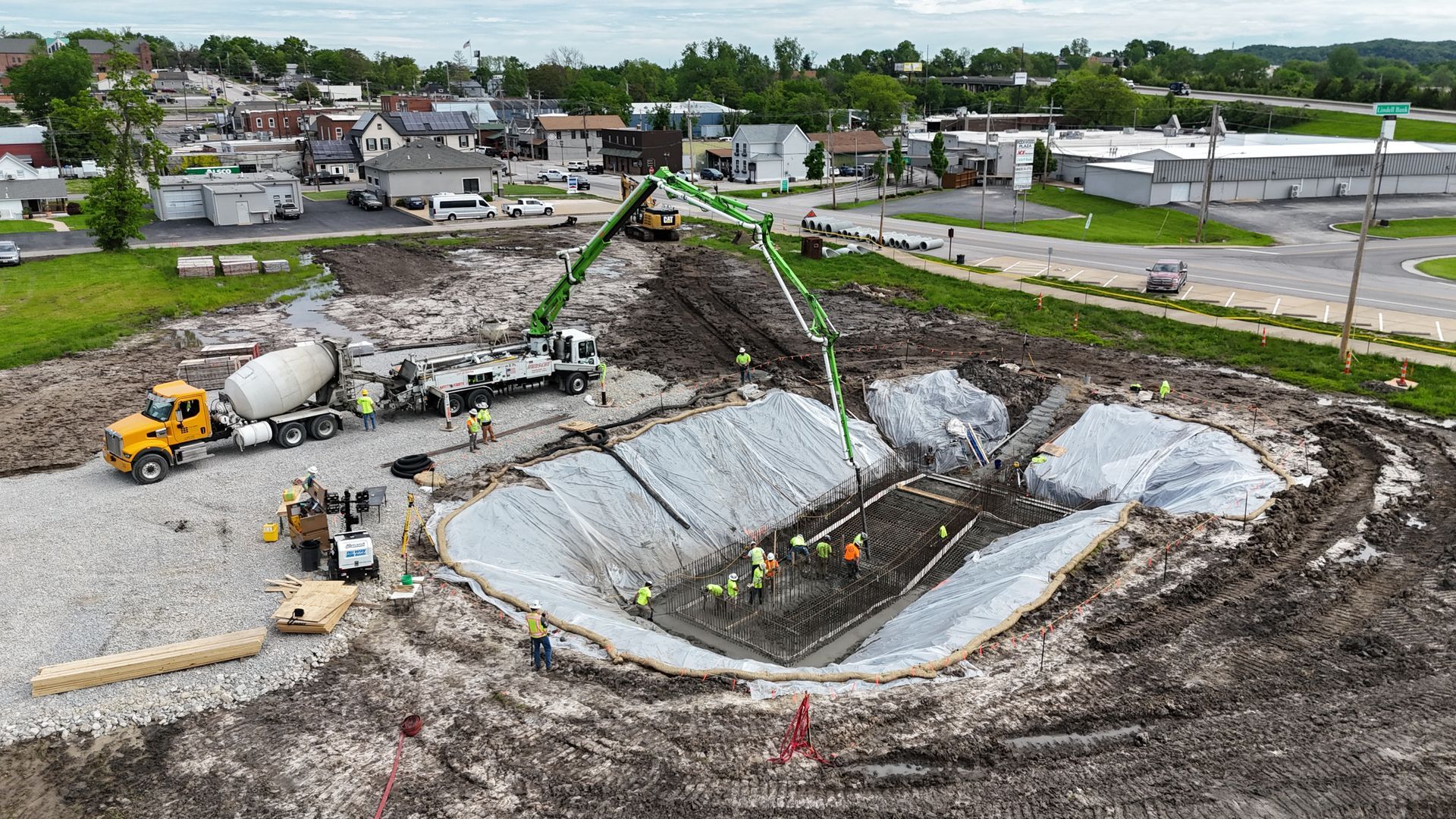
- Industrial facilities
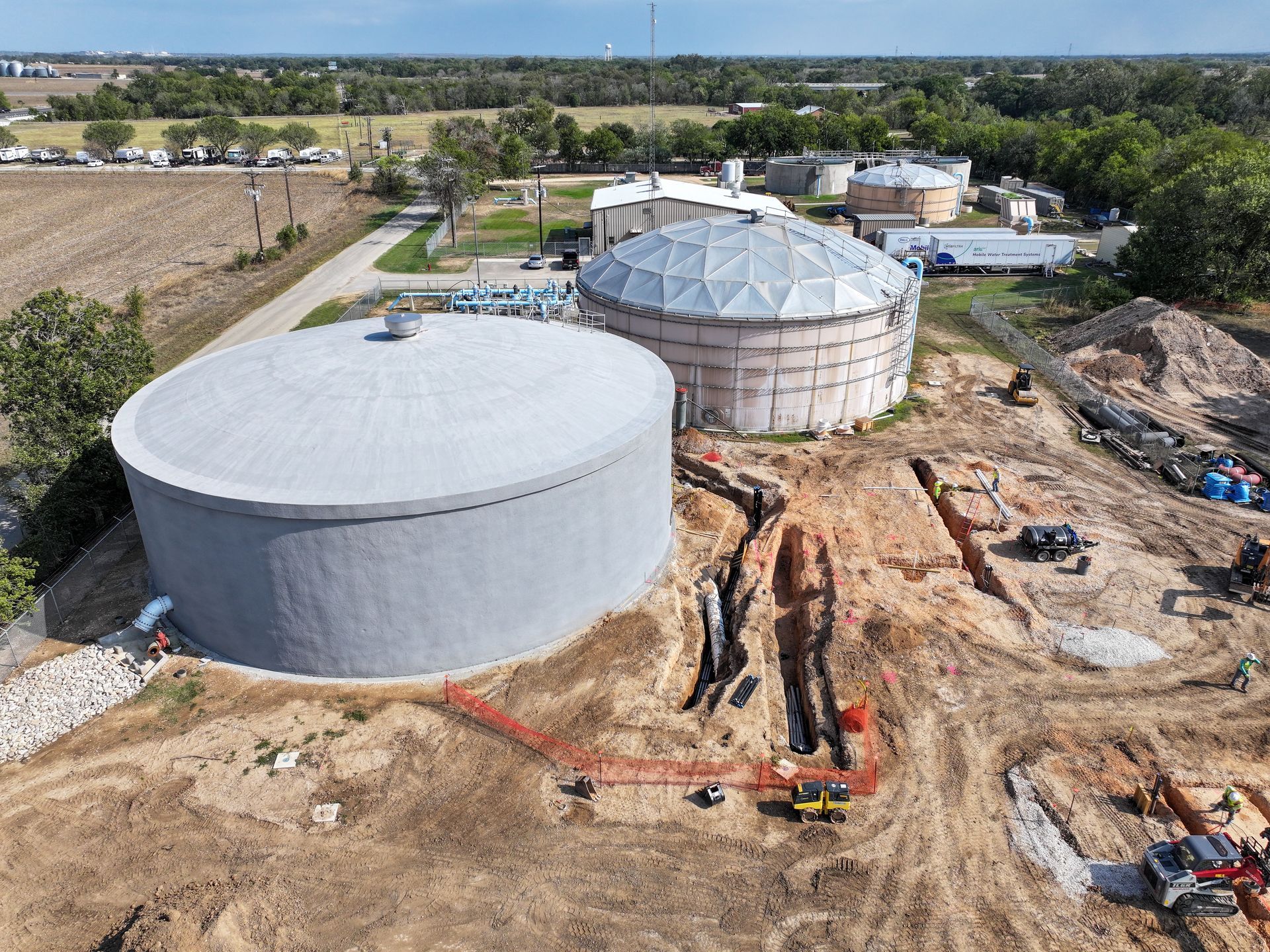
- Water and wastewater infrastructure
- Utility systems
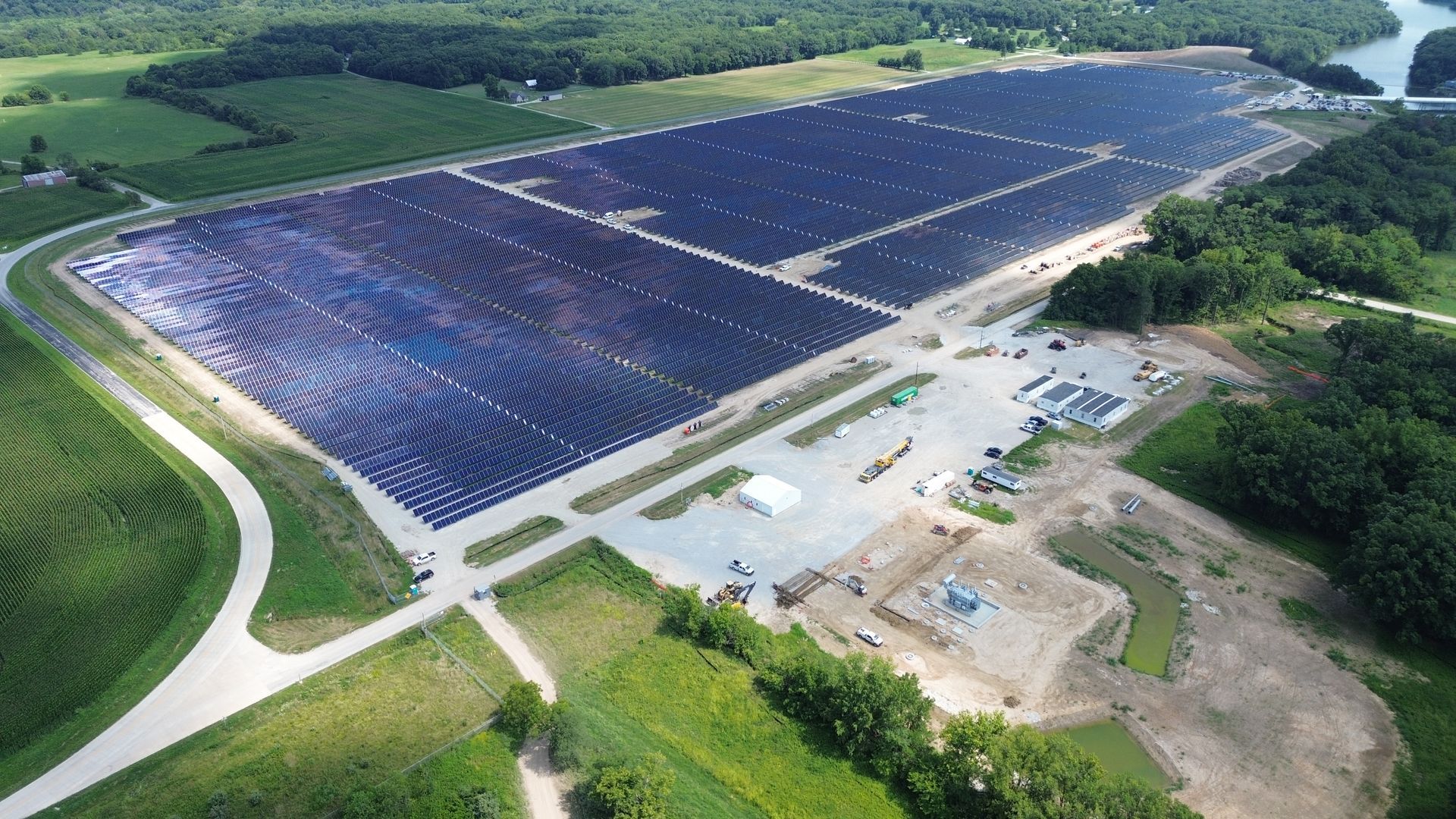
- Renewable energy projects
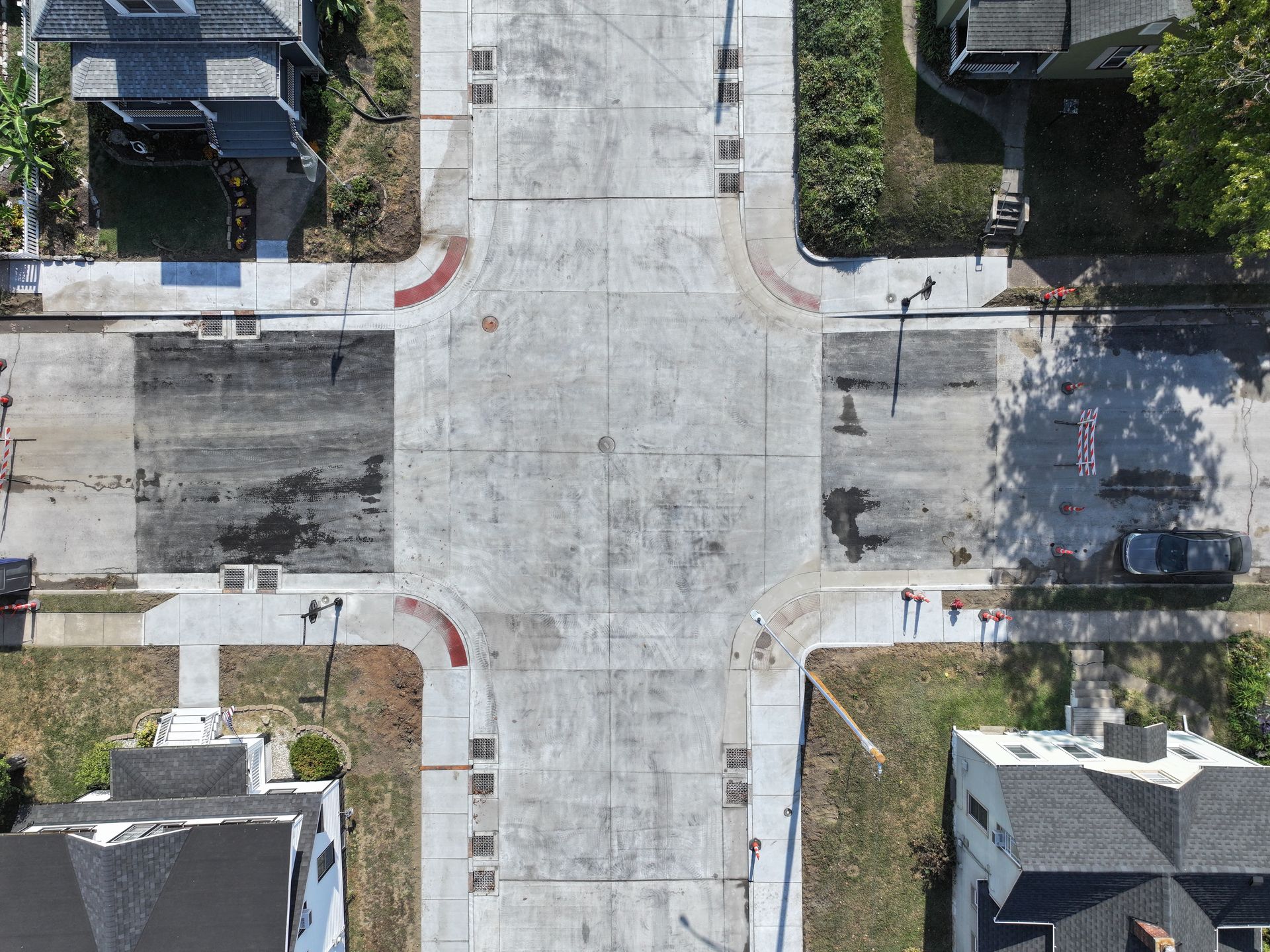
- Transportation infrastructure
- Active operational environments
Relevant experience can improve hazard recognition and project-specific safety planning.
Questions to Ask During Contractor Selection
What are your current TRIR and DART rates?
These metrics provide insight into recent safety performance. Request TRIR for construction companies that are comparable in scope and geography, and ask how often they review TRIR (at least annually, with quarterly trend reviews recommended).
What is your EMR?
Many owners use EMR as part of contractor prequalification.
How do you train employees and supervisors?
Training programs often reflect a contractor's investment in safety.
How do you manage subcontractor safety?
Subcontractor oversight is critical on complex projects and should be reflected in the construction safety audit checklist.
Can you provide examples of recent safety initiatives?
This can help demonstrate whether safety is actively managed or simply discussed.
Warning Signs to Watch For
Potential concerns may include:
- Reluctance to share safety metrics
- Lack of formal training programs
- Poor documentation practices
- High employee turnover
- Limited project-specific planning
- Inconsistent safety expectations
These issues may indicate weaknesses in safety management systems and an unreliable construction company safety record.
Frequently Asked Questions
What is the OSHA TRIR score?
TRIR is OSHA’s Total Recordable Incident Rate, expressing OSHA-recordable cases per 100 full-time workers to standardize safety performance across contractors.
How is the total recordable incident rate (TRIR) calculated?
TRIR = (Recordable cases × 200,000) ÷ Total hours worked in the year.
What incidents count toward a company's TRIR?
Work-related injuries or illnesses requiring medical treatment beyond first aid, days away from work, restricted duty or transfer, loss of consciousness, significant diagnosed cases, and fatalities.
What is a good or acceptable TRIR for an industry?
“Good” depends on the sector. Aim for a TRIR at or below the latest BLS average for the relevant construction niche; top performers are often well below their sector average.
How often should TRIR be reported or reviewed?
At minimum annually, with quarterly or monthly internal reviews to monitor trends and drive corrective actions.
Why Safety Should Be Part of Every Contractor Evaluation
A contractor's construction safety record provides valuable insight into how they manage risk, train employees, plan work, and execute projects in the field. While cost, schedule, and technical expertise remain important, safety often influences every aspect of project performance.
By evaluating safety metrics, including TRIR for construction companies, training programs, leadership involvement, and overall safety culture—and by reviewing a construction safety audit checklist—owners can make more informed decisions and select construction partners positioned to deliver successful projects while protecting workers, communities, and critical infrastructure.