What's Involved in Building a New Food a
Building a new food and beverage manufacturing plant is a major investment that requires careful planning, specialized expertise in food and beverage plant construction, and close coordination between design, engineering, equipment suppliers, and operations teams. Whether expanding production capacity, launching a new product line, or entering a new market, manufacturers must balance food safety, operational efficiency, and future growth throughout every phase of the project, especially during food processing plant construction.
Unlike traditional commercial buildings, food and beverage facilities contain highly specialized production systems, sanitary environments, utility infrastructure, and process equipment that all must work together seamlessly. Planning for these requirements early helps reduce delays, improve efficiency, and support a smoother startup during the construction of food processing plants.
Why Food and Beverage Plants Are Different
Food and beverage manufacturing facilities are designed around the production process—not just the building.
In addition to the building itself, projects often include:
- Processing equipment
- Packaging lines
- Refrigeration systems
- Process piping
- Utility infrastructure
- Automation and controls
- Quality control laboratories
- Cold storage and warehousing
- Employee support spaces
Every design decision should support product quality, food safety, and efficient production, aligning with best practices in food construction.
Step 1: Define Production Goals
Every successful project starts with understanding what the facility needs to accomplish.
Manufacturers typically evaluate:
- Production capacity
- Product types
- Packaging requirements
- Future expansion plans
- Automation goals
- Distribution strategy
These decisions influence the building size, equipment layout, utility requirements, and long-term operational flexibility, guiding food and beverage plant construction sequencing.
Step 2: Select the Right Site
Site selection has a significant impact on construction costs and future operations.
Important considerations include:
- Utility availability
- Transportation access
- Workforce availability
- Zoning and permitting
- Available acreage
- Room for future expansion
- Access to suppliers and distribution networks
A well-chosen site can improve logistics, reduce operating costs, and support long-term growth for the construction of food processing plants.
Step 3: Design the Facility Around Production Flow
Efficient plant layout is essential to maximizing productivity.
Design teams typically plan for:
- Raw material receiving
- Processing areas
- Packaging lines
- Finished goods storage
- Shipping and receiving
- Employee circulation
- Sanitation areas
An optimized layout helps reduce material handling, improve workflow, and minimize cross-contamination risks, a core objective in food processing plant construction.
Step 4: Plan Utility Infrastructure
Food and beverage plants depend on reliable utility systems to maintain production.
Projects often include:
- Electrical distribution
- Water supply
- Wastewater systems
- Steam systems
- Natural gas service
- Refrigeration systems
- Compressed air
- Process water systems
Proper utility planning ensures the facility can support both current production and future expansion and aligns with the scope a food and beverage construction company manages.
Step 5: Design for Food Safety
Food safety is a driving factor in facility design.
Common design considerations include:
- Hygienic building materials
- Washdown-capable equipment
- Sanitary drainage systems
- Temperature-controlled environments
- Air quality management
- Separation of raw and finished product areas
Facility design should help support regulatory compliance and efficient sanitation practices, which are essential to food construction and food and beverage plant construction.
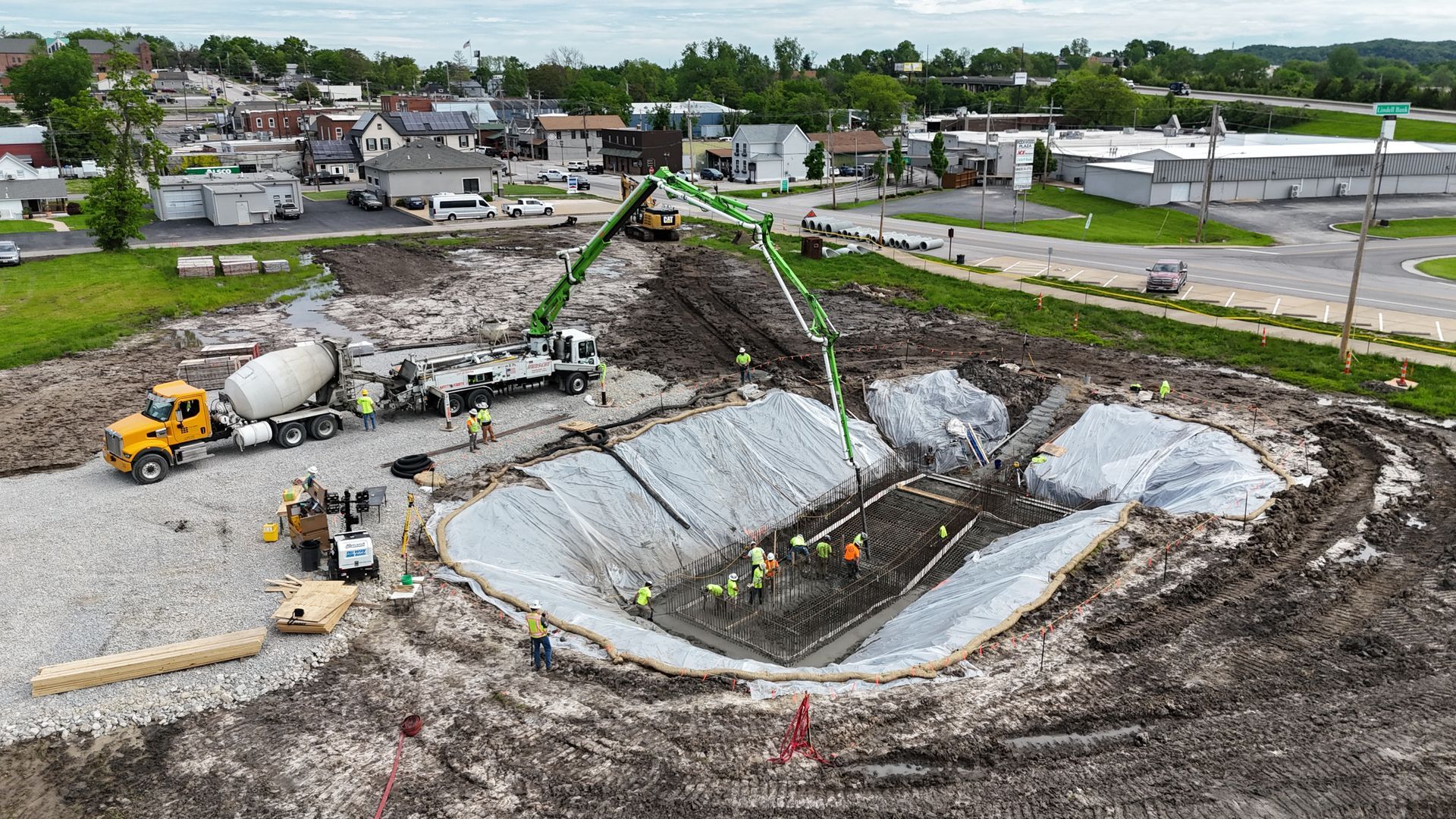
Step 6: Construct the Facility
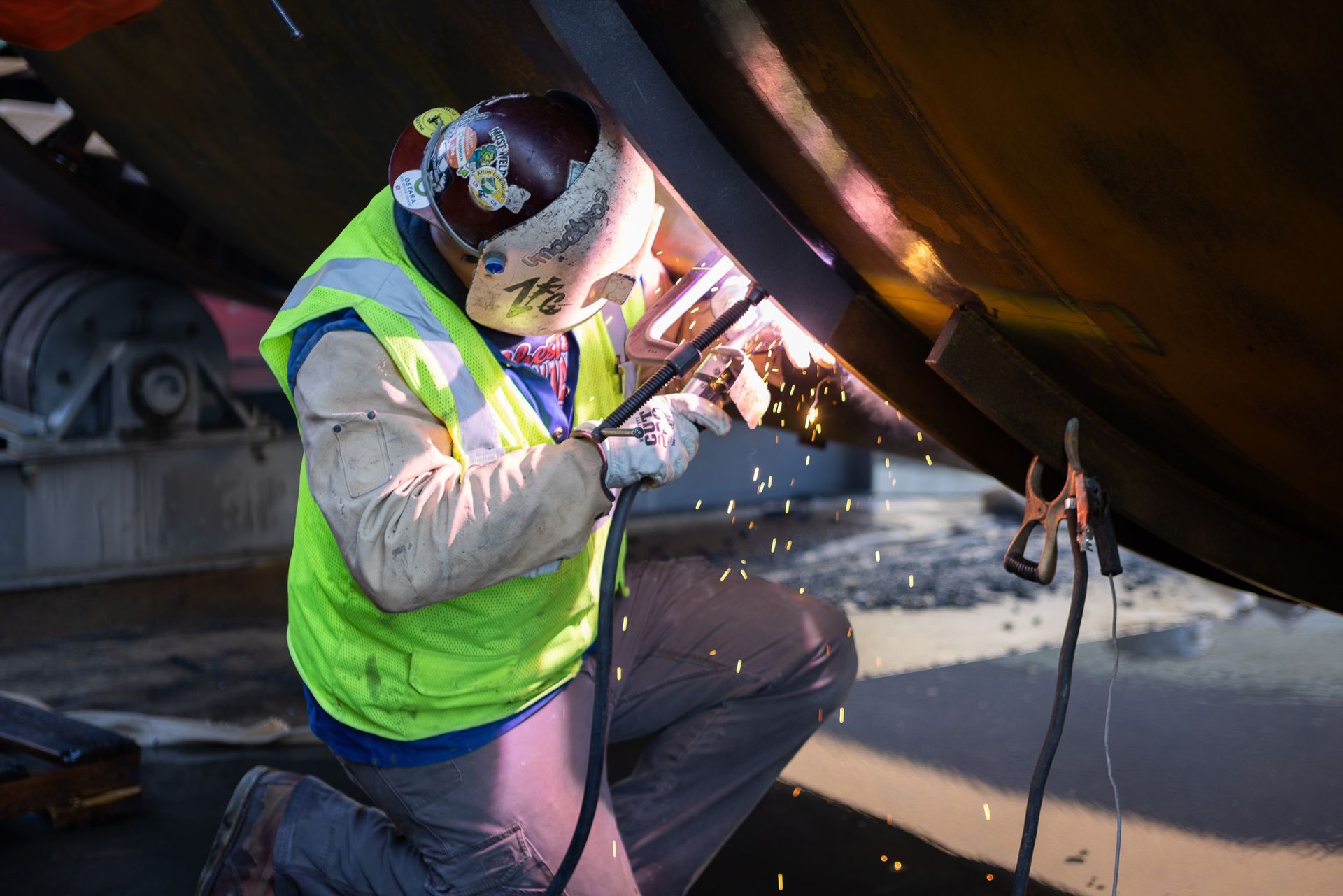
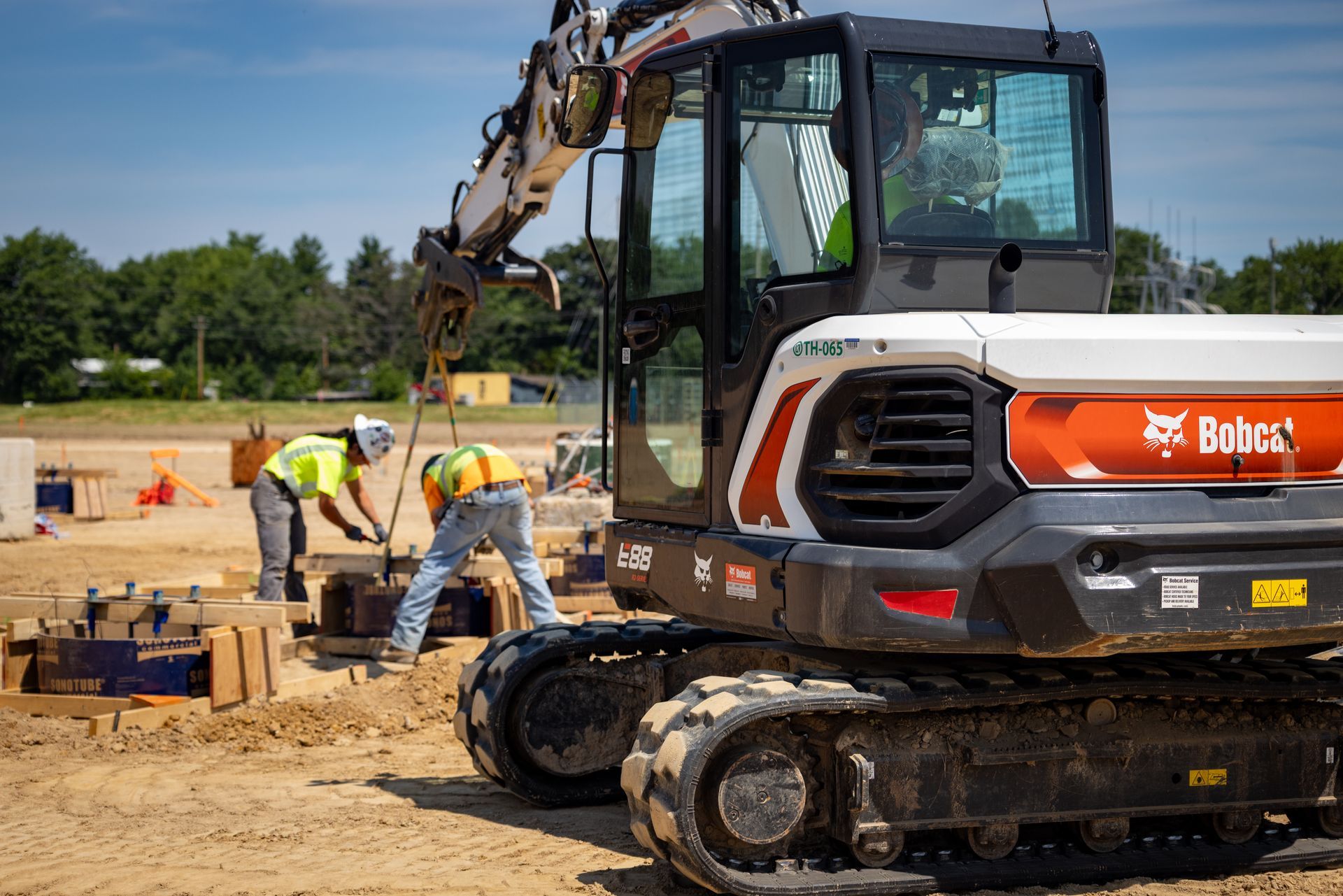
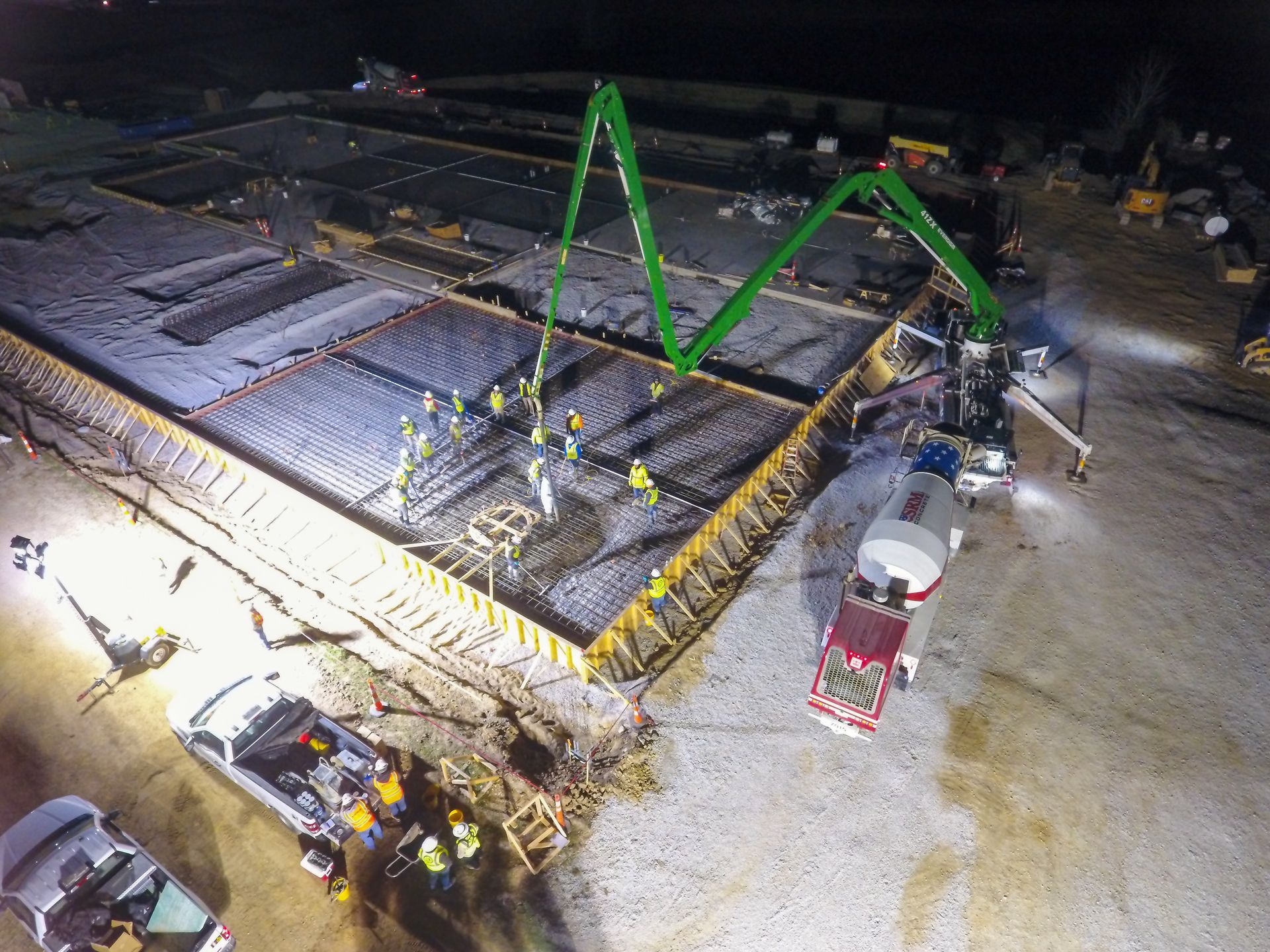
Construction typically includes:
- Site development
- Foundations
- Structural steel
- Building enclosure
- Mechanical systems
- Electrical infrastructure
- Utility installation
- Interior finishes designed for food production
Many manufacturers choose design-build delivery because it allows construction and design teams to collaborate throughout the project, helping identify constructability issues and improve coordination during food and beverage plant construction.
Step 7: Install Process Equipment
Once the building is ready, specialized production equipment is installed.
This may include:
- Processing systems
- Conveyors
- Packaging equipment
- Mixing systems
- Refrigeration equipment
- Storage tanks
- Automation systems
Equipment installation often requires close coordination between contractors, equipment vendors, and operations personnel, often led by a food and beverage construction company.
Step 8: Commission Building and Process Systems
Before production begins, facility systems must be tested.
Commissioning activities often include:
- HVAC testing
- Utility startup
- Electrical system verification
- Refrigeration testing
- Process equipment calibration
- Automation integration
The goal is to ensure all systems operate together safely and efficiently during and after food processing plant construction.
Step 9: Prepare for Operations
Before opening, manufacturers typically focus on operational readiness.
Activities may include:
- Employee training
- Equipment testing
- Cleaning and sanitation validation
- Product trial runs
- Quality assurance testing
- Regulatory inspections
These steps help ensure a successful transition into full production in the construction of food processing plants.
Common Questions Answered
What are the steps to design a food and beverage plant?
Define production goals, select the site, develop a process-driven layout, plan utilities, and design for food safety before moving into construction, equipment installation, commissioning, and startup. Early engagement with a food and beverage construction company streamlines each step of food and beverage plant construction.
How much does it cost to build a food and beverage manufacturing facility?
Costs vary by size, process complexity, utilities, refrigeration, and sanitary finishes. Major cost drivers include processing equipment, utility infrastructure, and specialized building systems; budgets for food construction often range from several million dollars for small lines to tens or hundreds of millions for large greenfields.
What regulations apply to food and beverage plant construction?
Projects must comply with local building and fire codes, environmental permits, OSHA, and food safety standards such as FDA Current Good Manufacturing Practices (CGMPs), USDA requirements where applicable, and HACCP-based hygiene and sanitation design principles that guide food processing plant construction.
How long does it take to construct a food and beverage processing plant?
Timelines depend on permitting, equipment lead times, and scope. From planning through startup, many projects take 12–24 months; complex facilities may take longer, especially when long-lead equipment affects the construction of food processing plants.
What are the key equipment requirements for a beverage production line?
Typical needs include raw liquid reception, filtration, mixing/blending, pasteurization or other thermal treatment, CIP systems, fillers and cappers, conveyors, packaging, coding/inspection, and utilities such as chilled water, steam, compressed air, and clean-in-place—all coordinated during food and beverage plant construction.
Building Facilities That Support Long-Term Growth
Food and beverage manufacturing plants are among the most specialized industrial facilities to design and construct. Success depends on much more than completing the building—it requires integrating production equipment, utilities, food safety systems, and operational planning into one cohesive project managed by an experienced food and beverage construction company. Manufacturers that invest in early planning and experienced partners are often better positioned to reduce risk, accelerate startup, and build facilities that support efficient production for decades to come.