What Are the Signs I Need to Repave My Business Parking Lot?
How Long Should a Commercial Parking Lot Last?
The lifespan of an asphalt parking lot depends on traffic volume, vehicle weight, climate, drainage, pavement thickness, and maintenance history. With proper care, many lots remain serviceable for 15 to 25 years or longer. Neglecting preventative maintenance and delaying repairs shortens pavement life and increases the likelihood of commercial parking lot repaving.
Signs You May Need Repaving
Sign #1: Widespread Cracking
A few isolated cracks can be sealed. However, multiple interconnected cracks, large crack networks, recurring cracks after repairs, and cracks appearing throughout the lot suggest a deeper issue. When cracking becomes extensive, resurfacing or repaving may be more cost-effective than continued patching.
Sign #2: Alligator Cracking
Alligator cracking looks like reptile skin and often indicates structural failure, weak base materials, water infiltration, or excessive loading. Because the structure is compromised, commercial parking lot repaving or reconstruction is frequently necessary.
Sign #3: Frequent Potholes
Occasional potholes can be patched. Recurring potholes often point to water intrusion, base failure, drainage problems, or advanced deterioration. If potholes keep returning, evaluate resurfacing or repaving.
Sign #4: Standing Water and Drainage Problems
Standing water after rain, ponding in wheel paths, erosion at edges, or water flowing toward buildings accelerates deterioration. Repaving projects may include grading and drainage improvements.
Sign #5: Surface Raveling and Deterioration
Raveling causes a rough, loose, worn, or faded surface that allows moisture intrusion. When extensive, resurfacing or repaving may be warranted.
Sign #6: Fading and Oxidation
Gray coloration, brittleness, increased cracking, and reduced flexibility signal oxidation. While oxidation alone may not require repaving, it compounds other issues.
Sign #7: Numerous Patches
If the lot is covered with patches for potholes, cracks, depressions, and surface failures, cumulative costs can approach resurfacing or repaving, making repaving a better long-term value.
Sign #8: Uneven Surfaces and Settlement
Depressions, low spots, uneven sections, trip hazards, and deformation often point to base issues that go beyond simple repair.
Sign #9: Rising Maintenance Costs
If annual maintenance costs keep rising, it may be time to evaluate resurfacing or repaving for better long-term value.
Repaving vs. Resurfacing vs. Reconstruction
Repairs
Best for isolated cracks, small potholes, and minor surface damage.
Resurfacing (Mill and Overlay)
Best for surface deterioration, moderate cracking, and lots with a sound base. The process mills off the top layer and installs a new asphalt surface.
Repaving
Often used to describe installing new asphalt over a prepared base or after removing significant portions of the old pavement. It addresses broader surface and shallow structural issues.
Full Reconstruction
Best for extensive alligator cracking, base failures, significant drainage issues, and structural deterioration. Reconstruction replaces the pavement structure from the ground up when repaving alone won’t address base failures.
What Is the Process of Repaving a Parking Lot?
- Assessment and planning: Inspect pavement, drainage, and base; define scope.
- Repairs and prep: Mill or remove failed areas, fix base, adjust drainage/grades.
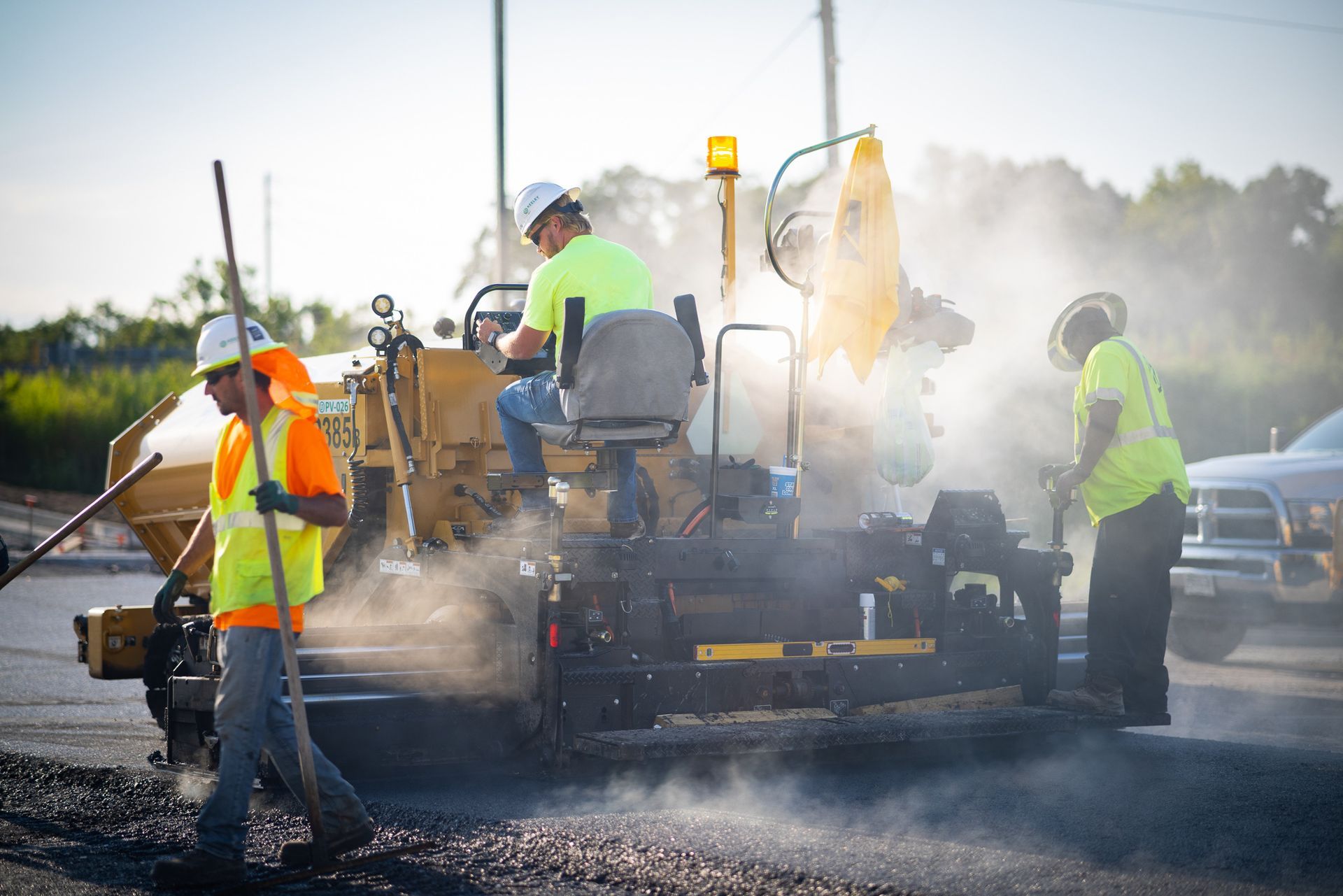
- Paving: Place and compact new asphalt lifts to specified thickness.
- Finishing: Stripe, install wheel stops, adjust utilities, and clean up.
- Curing and reopen: Allow initial cooling; follow contractor guidance for traffic loads.
How Often Do Parking Lots Need to Be Repaved?
With routine maintenance (sealcoating, crack sealing, patching), many lots need resurfacing or repaving roughly every 15–25 years. High-traffic, heavy-load, or poor-drainage sites may need it sooner; well-designed, well-drained lots with proactive maintenance can last longer.
Is Repaving a Parking Lot a Capital Improvement?
In many jurisdictions and for accounting purposes, repaving that extends useful life, enhances value, or adapts the asset to a new use is treated as a capital improvement, while routine maintenance is expensed. Consult your tax professional for specific guidance.
What’s the Difference Between Resurfacing and Repaving?
- Resurfacing: Milling and placing a new surface layer over a sound base to restore ride, appearance, and protection.
- Repaving: Installing new asphalt beyond a simple overlay, often after more extensive removal and base preparation; addresses wider deficiencies but stops short of full reconstruction.
How a Contractor Evaluates Your Parking Lot
Contractors assess pavement age, crack severity, drainage, traffic patterns, structural condition, and maintenance history to determine whether repair, resurfacing, repaving, or reconstruction is most appropriate.
Protecting Your Pavement Investment
Recognizing early signs of deterioration helps avoid larger costs and choose repaving when it offers the best return. By addressing issues proactively, prioritizing maintenance, and partnering with trusted commercial asphalt paving contractors, businesses can extend pavement life, improve curb appeal, and create a safer experience for customers, tenants, and employees.