How to Get a Quote for Building a Substation Foundation in Texas
What Is Included in a Substation Foundation Scope?
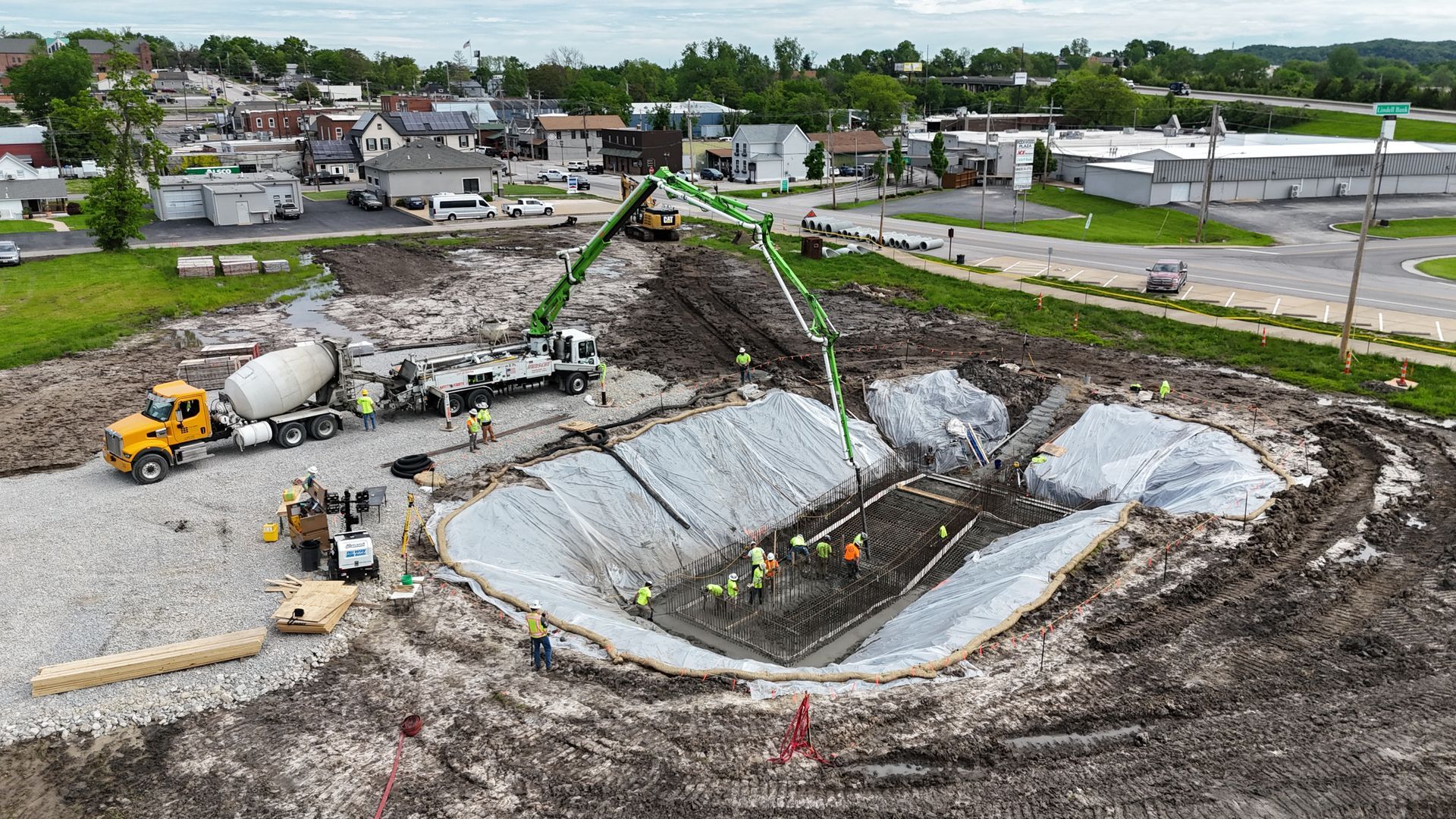
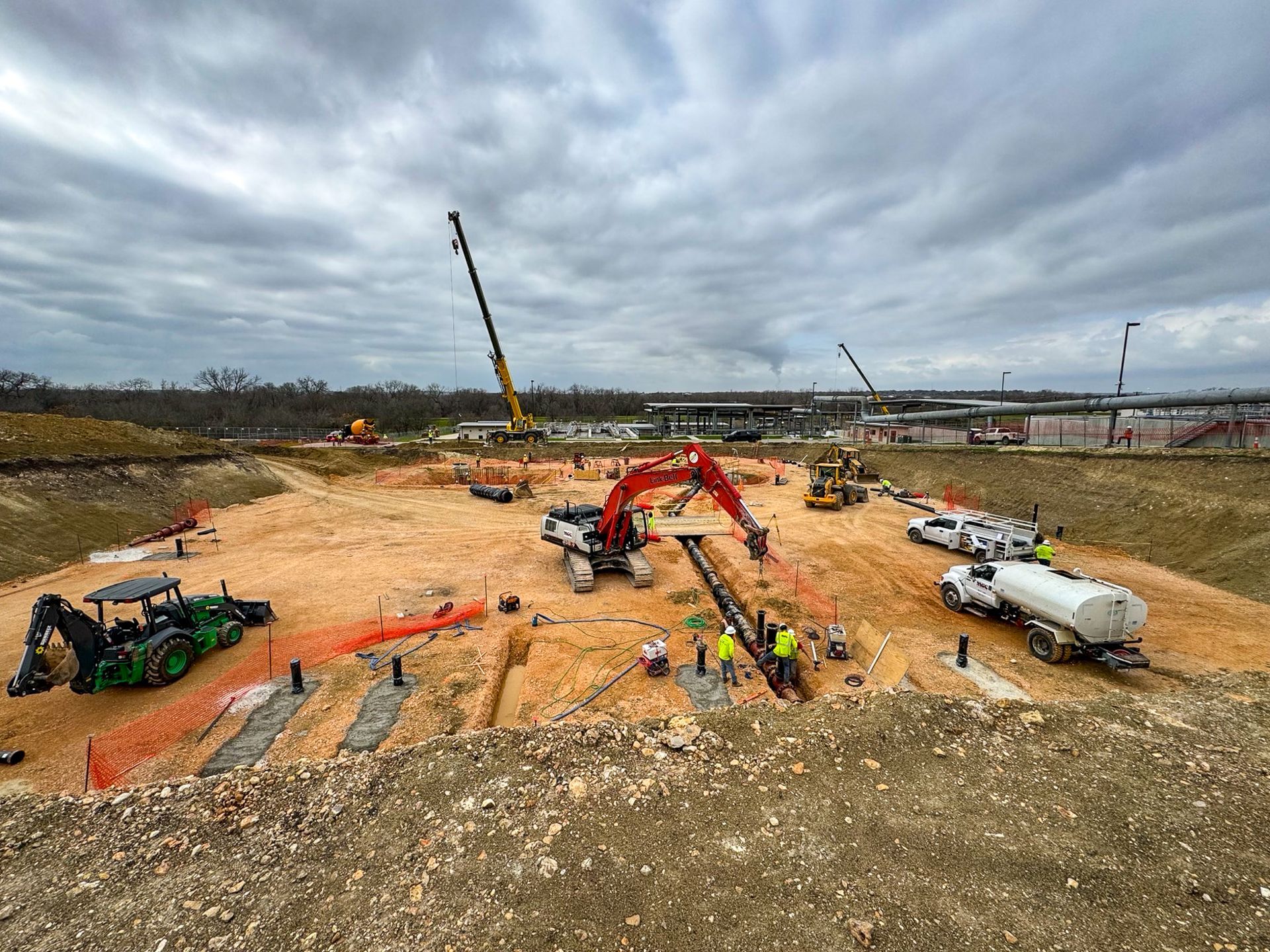
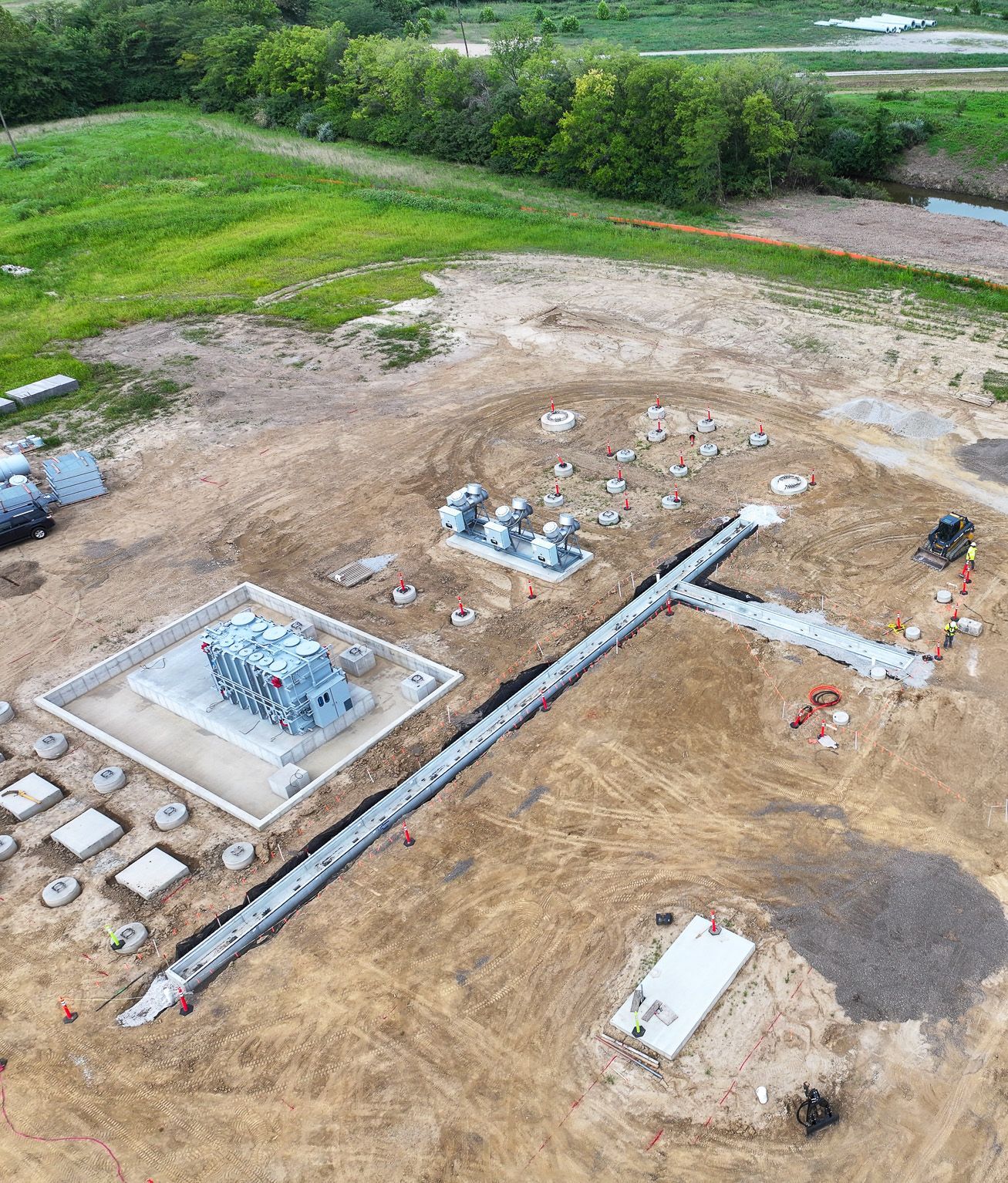
Substation foundations provide structural stability for energized equipment and site infrastructure.
Typical scope may include:
- Transformer, breaker, switch, and steel structure foundations
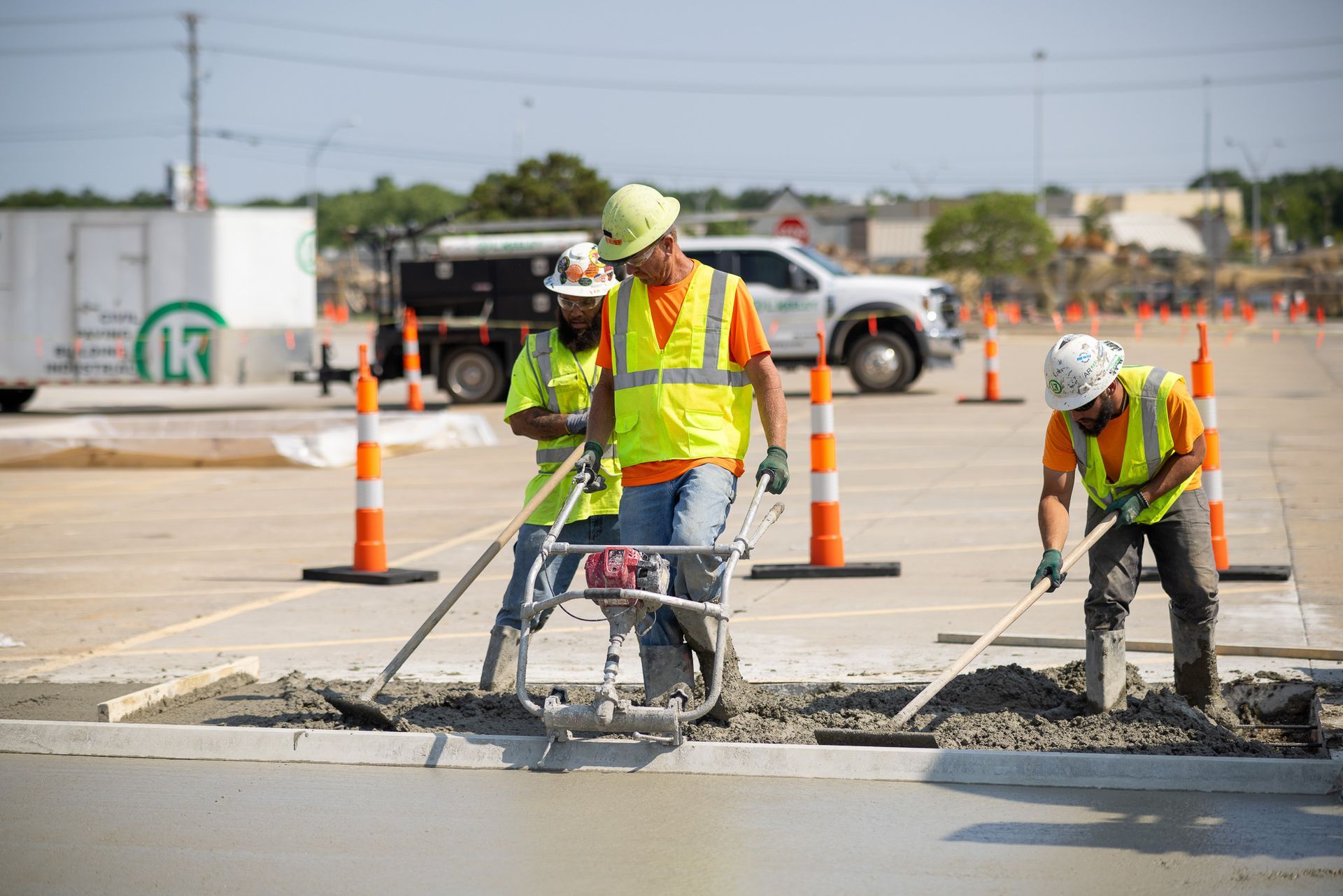
- Control building foundations and equipment pads
- Cable trench systems and electrical grounding/ground grid
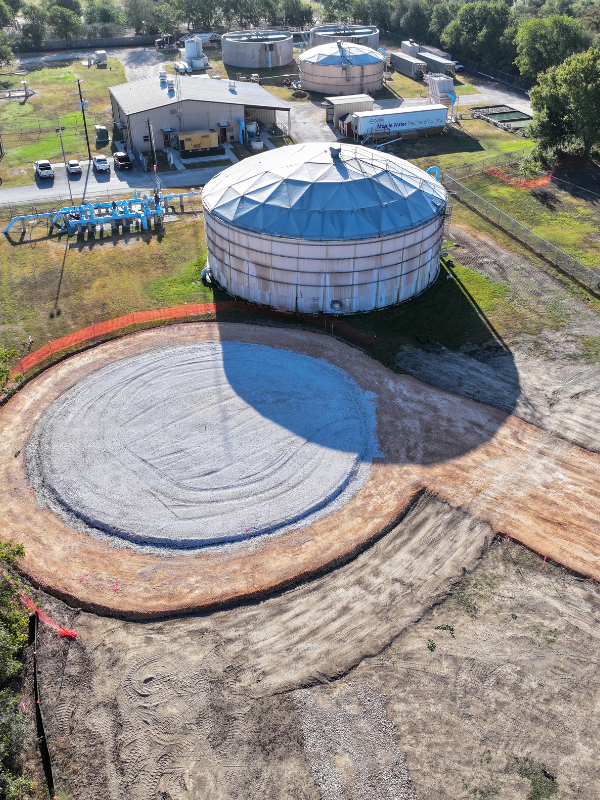
- Drilled piers, spread footings, or mat foundations
- Civil site preparation and underground utility coordination
What Influences the Cost of Building a Substation (and Its Foundation)?
Soil and Geotechnical Conditions
Expansive clays, high groundwater, low bearing capacity, rock excavation, and settlement risks can necessitate deeper foundations, more concrete/steel, and specialized designs. Early geotechnical investigations reduce uncertainty and can refine the cost of foundation repair Texas comparisons sometimes used as a high-level proxy for soil-related risks.
Voltage Level and Equipment Size
Higher voltages and larger equipment increase foundation sizes and quantities. Distribution substations are generally smaller than transmission or utility-scale interconnection facilities. A 345 kV substation typically has larger, more complex foundations and higher overall costs.
Site Location and Accessibility
Remote sites, coastal exposure, floodplain constraints, access roads, and oversize equipment logistics affect labor, schedule, and civil costs.
Drainage and Stormwater Requirements
Texas rainfall and flood risks often require grading, detention/retention, erosion control, and elevated pads, influencing site preparation budgets.
Foundation Type and Design
Drilled piers, spread footings, mats, piles, and reinforced pads vary in material quantities, labor needs, and installation time. Design choices are driven by loads and soils, shaping the substation foundation cost Texas conversation from early estimates through final quotes.
Typical Cost Ranges and Acreage Needs
Exact pricing varies by scope, but general planning ranges are:
- Small distribution substation foundations: several hundred thousand dollars; total substation EPC costs often in the low to mid millions.
- Medium transmission or collector facilities: foundation scopes in the low millions; total substation costs often in the $10–$30+ million range.
- Large transmission (e.g., 345 kV) substations: foundation scopes can reach multiple millions; total substation costs commonly range from roughly $20–$60+ million depending on site, equipment, and interconnection complexity.
Acreage depends on voltage and layout. Many distribution substations fit on ~1–3 acres, while transmission and 345 kV sites often require ~5–15 acres or more to accommodate clearances, access, and drainage. Urban constraints or GIS designs can reduce footprints; large interconnections may need additional land for laydown and expansion.
How Do Substations Make Money?
Substations themselves do not “sell” power; they enable delivery.
Revenue is realized through:
- Utility rate recovery for capital and operating costs approved by regulators
- Transmission tariffs (e.g., through RTO/ISO mechanisms) allocating costs to users
- Interconnection and network upgrade cost sharing with generators or large loads
- Reliability and congestion reductions that improve system economics
What Contractors Need to Provide a Quote
Accurate estimates require:
- Site Information: Location, access, existing conditions
- Engineering Documents: Preliminary drawings, foundation schedules, one-lines, equipment layouts
- Geotechnical Reports: Borings, groundwater, bearing recommendations
- Project Scope: Foundation-only vs. full civil/EPC involvement
- Schedule: Start date, outage windows, milestones
Frequently Asked Questions
How much do substations cost to build?
Small distribution substations can be built for a few million dollars; larger transmission sites commonly range from tens of millions depending on voltage, equipment, land, and site work. Owners sometimes reference the average cost of foundation repair or ask how much to fix a foundation to contextualize subsurface risks, but substation scopes are far more complex.
How many acres for a substation?
Distribution: roughly 1–3 acres; transmission (including 345 kV): commonly 5–15 acres or more, dependent on clearances, expansion, and drainage.
How much does a 345 kV substation cost?
Typical planning ranges are about $20–$60+ million for total substation costs, with foundations representing a multi-million-dollar subset, subject to site and scope. Your substation foundation cost Texas estimate will tighten after geotechnical results.
How do substations make money?
Through regulated utility rates, transmission tariffs, and cost-sharing mechanisms tied to reliability and interconnection services.
What factors influence the cost of building an electrical substation?
Soils and groundwater, voltage/equipment size, location and access, drainage/stormwater needs, foundation type, materials/labor markets, and schedule constraints. Similar to evaluating the cost of foundation repair Texas homeowners face, the foundation repair average cost varies with soil conditions and scope—highlighting why precise data is essential when estimating how much to fix a foundation in any context.
Building Reliable Energy Infrastructure in Texas
As Texas expands its grid, early planning, thorough geotechnical evaluation, and experienced foundation and civil partners are key to controlling costs and delivering reliable substations, whether for distribution, transmission, or 345 kV interconnections.
Clear scope definition will refine your substation foundation cost Texas estimates and avoid surprises, just as understanding the average cost of foundation repair and the cost of foundation repair Texas benchmarks helps set expectations for how much to fix a foundation in other projects.