How Often Should a Parking Lot Be Sealcoated?
What Is Sealcoating?
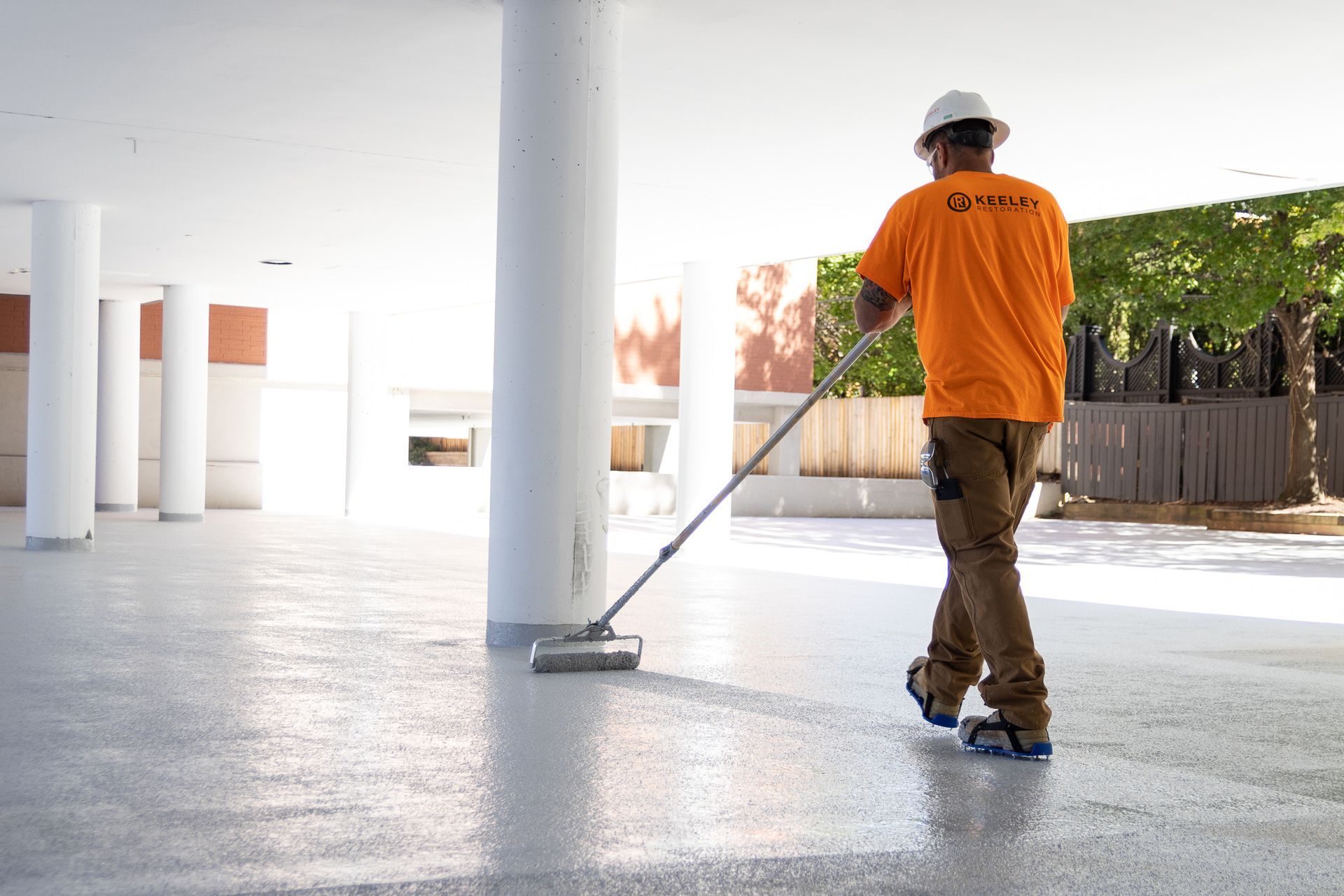
Sealcoating is the application of a protective coating over an asphalt pavement surface.
The coating helps protect asphalt from:
- Water infiltration
- UV exposure
- Oxidation
- Vehicle fluids
- Weather-related deterioration
- Everyday wear and tear
Sealcoating is considered a preventative maintenance treatment rather than a structural repair. It helps preserve pavement condition but does not correct significant cracking, potholes, or base failures.
General Sealcoating Guidelines
Most pavement professionals recommend setting a parking lot sealcoating frequency and following it with inspections.
New Asphalt Pavement
New asphalt is typically allowed to cure before the first sealcoat application, usually:
- Approximately 6 to 12 months after installation
This allows excess oils to dissipate while still protecting the pavement early in its lifecycle according to a sensible asphalt sealcoating timeline.
Commercial Parking Lots
Many commercial properties benefit from sealcoating every:
- 2 to 5 years
The exact interval depends on traffic volume, environmental exposure, and pavement condition. Annual inspections help determine how often to seal coat asphalt for your site.
Temperature and Season
For best results, apply when temperatures are at least 50°F (10°C) and rising, with no rain in the forecast and adequate drying time. If it’s colder than this, especially if nighttime lows dip below 50°F, it’s generally too cold to seal a driveway or lot. Scheduling during the best time to sealcoat asphalt improves curing and longevity.
Factors That Affect Sealcoating Frequency
Several variables influence how often a parking lot should be sealcoated and the best time to apply sealer. These factors help refine your parking lot sealcoating frequency and clarify how often should asphalt be sealed in different climates.
Traffic Volume
Lots serving:
- Retail customers
- Delivery vehicles
- Service fleets
- Industrial operations
often experience faster deterioration than lower-traffic properties and may need resealing closer to the 2-year mark.
Climate and Weather Conditions
Environmental factors include:
- Intense UV exposure
- Freeze-thaw cycles
- Heavy rainfall
- Snow and ice
- Temperature fluctuations
Harsher climates may require more frequent maintenance and careful scheduling during warmer months to align with a practical asphalt sealcoating timeline.
Pavement Age and Condition
Older asphalt surfaces are more susceptible to oxidation and cracking. Sealcoating works best on structurally sound pavement, often after completing:
- Crack sealing
- Patching
- Surface repairs
Signs Your Parking Lot May Need Sealcoating
Fading Color
Healthy asphalt appears dark and rich; oxidation turns it gray, dull, and weathered.
Minor Surface Cracking
Small cracks indicate the pavement is losing flexibility—address them before they spread.
Surface Wear
Look for surface abrasion, aggregate exposure, and increased roughness in high-traffic areas.
Water Absorption
If water no longer beads and quickly absorbs, the protective surface is likely deteriorating.
What Sealcoating Does Not Fix
Sealcoating does not correct:
- Alligator cracking
- Structural failures
- Potholes
- Major settlement
- Base failures
These conditions may require patching, resurfacing, or reconstruction.
Frequently Asked Questions
How often should I sealcoat an asphalt parking lot?
Most lots are resealed every 2 to 5 years, adjusted for traffic, climate, and condition. High-traffic sites typically need shorter intervals. This guidance helps answer how often should asphalt be sealed for commercial properties.
How often are parking lots resealed?
As a general rule, commercial parking lots are resealed on a 2- to 5-year cycle, with inspections annually to fine-tune timing and confirm your parking lot sealcoating frequency.
How cold is too cold to seal a driveway?
Below about 50°F (10°C) and falling is too cold. Aim for pavement and air temperatures at or above 50°F and rising for at least 24 hours, with dry weather. Choosing the best time to sealcoat asphalt supports proper curing.
Should cracks be repaired before sealcoating?
Yes. Crack sealing and localized repairs should be completed first to maximize protection and performance and extend the asphalt sealcoating timeline between applications.
Protecting Your Pavement Investment
Sealcoating is a relatively small investment compared to resurfacing or replacement. When combined with routine inspections, crack sealing, and proactive maintenance, it extends pavement life, improves appearance, and reduces long-term costs. Establish a realistic resealing interval, define how often to seal coat asphalt for your site, and schedule work during appropriate temperatures to keep your program effective and aligned with your parking lot sealcoating frequency.