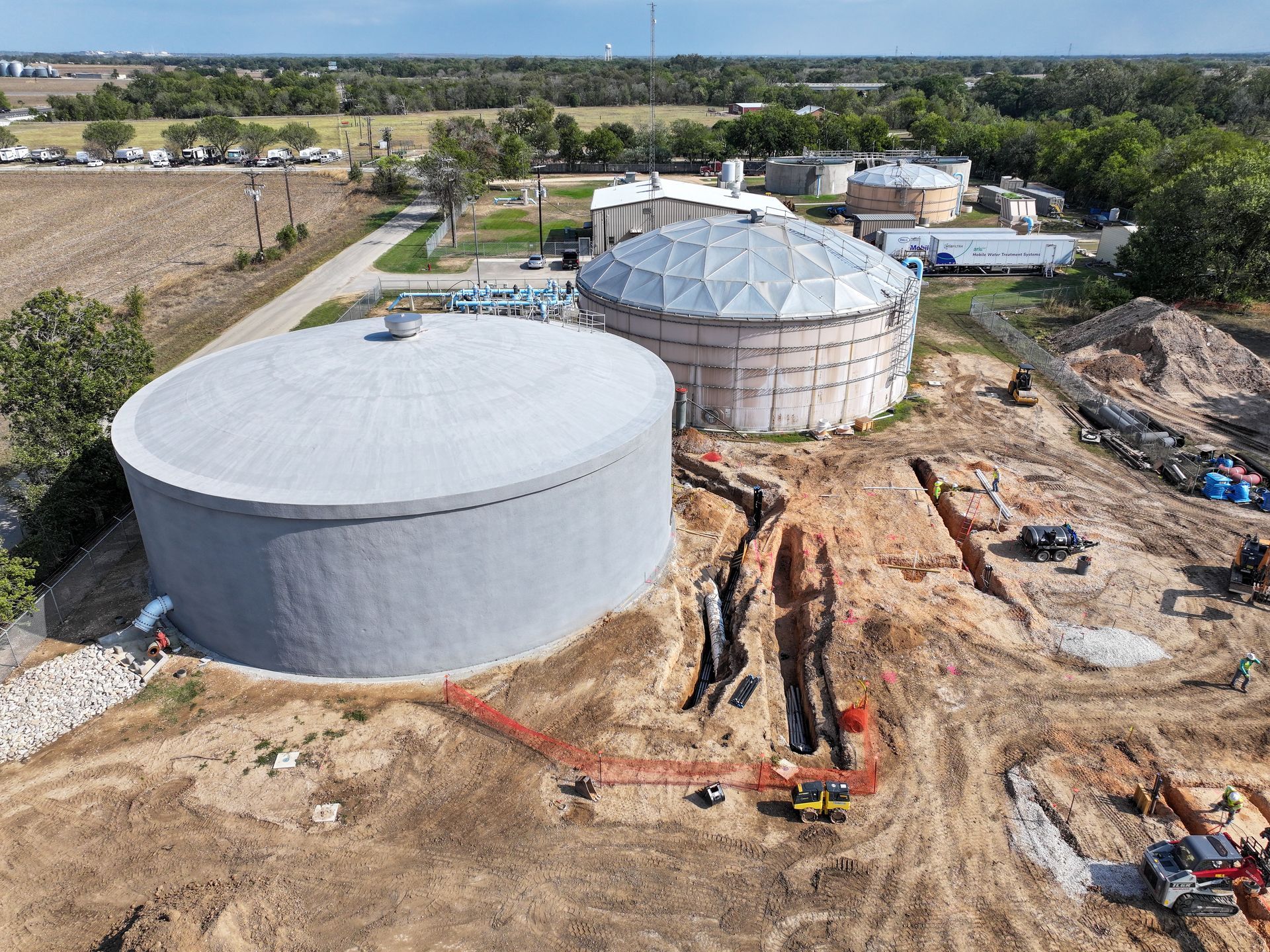
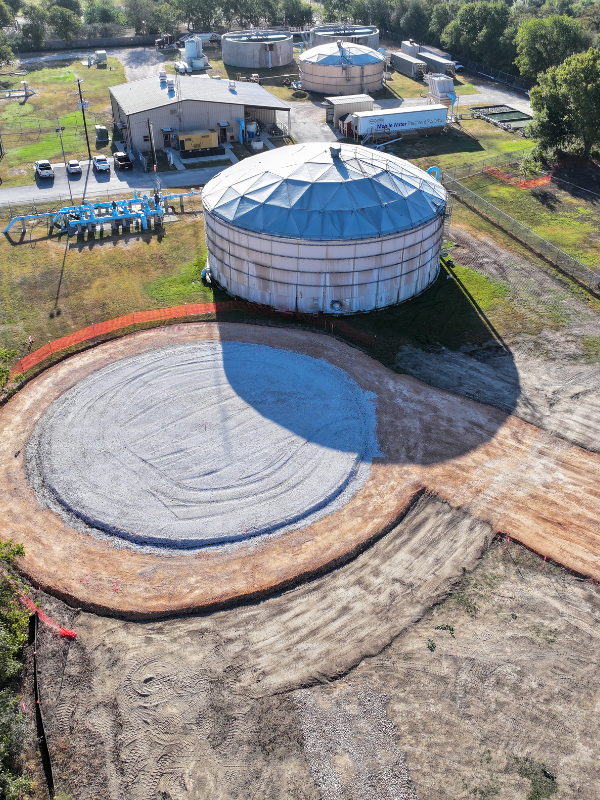
Clarifier Construction Cost for Water Treatment Plants
What Is a Water Treatment Clarifier?
A clarifier is a treatment structure designed to remove suspended particles from water through a settling process. In that sense, a clarifier is a type of settling tank that is engineered with inlet/effluent structures and solids-collection mechanisms to improve settling and sludge removal efficiency.
Clarifiers are commonly used in:
- Municipal water treatment plants
- Wastewater treatment facilities (STPs/ETPs)
- Industrial water treatment systems
- Water reuse facilities
During treatment, solids settle to the bottom of the basin while clarified water moves to the next treatment stage. Clarifiers play a critical role in maintaining water quality and supporting regulatory compliance.
What Is Included in a Clarifier Construction Project?
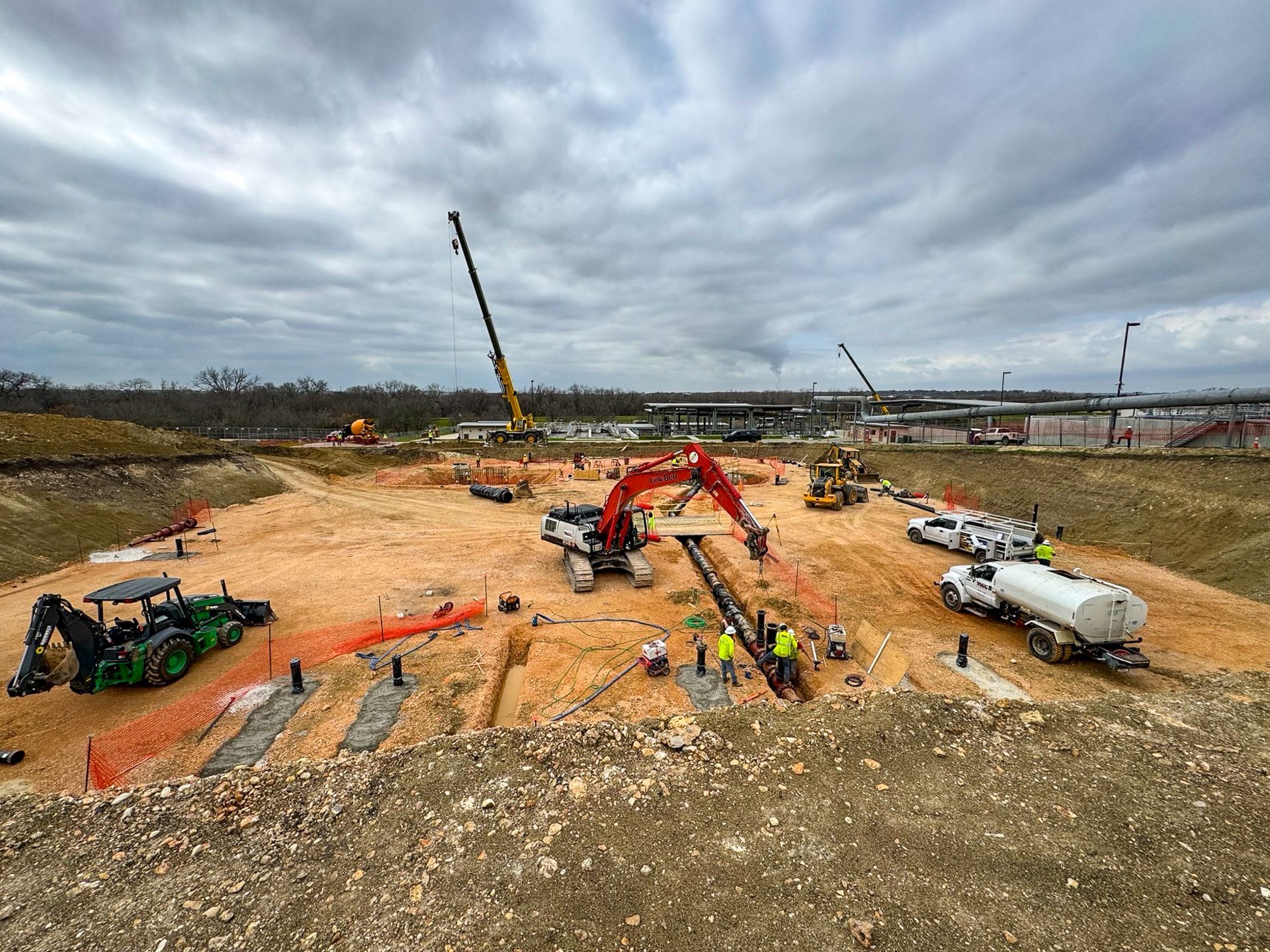
A new clarifier system often involves much more than the basin itself.
Project components may include:
- Reinforced concrete structures
- Mechanical sludge collection equipment
- Influent and effluent piping
- Valves and flow control systems
- Electrical infrastructure
- Instrumentation and controls
- SCADA integration
- Site development
- Access platforms and walkways
- Yard piping and utility connections
Many projects also require upgrades to surrounding treatment infrastructure, which can affect clarifier concrete cost and the overall clarifier construction cost.
Average Cost of a New Clarifier System
Because every facility is different, clarifier costs vary significantly.
As a general planning range:
- Small municipal clarifier projects may range from $1 million to $5 million
- Mid-sized treatment plant clarifier systems often range from $5 million to $15 million
- Large municipal treatment facility expansions may exceed $20 million or more, particularly when associated infrastructure upgrades are included
For a broader STP setup, total wastewater treatment facility costs scale with capacity, processes (primary, secondary, tertiary), and site conditions; early scoping frequently normalizes budgets using clarifier construction cost per MGD or per gallon, then adds other unit processes to derive a full STP setup cost.
Factors That Affect Clarifier Construction Costs
Clarifier Size and Treatment Capacity
One of the largest cost drivers is plant capacity. Larger facilities generally require larger basins, more concrete, additional mechanical equipment, increased electrical infrastructure, and greater site development requirements. As treatment demand increases, construction costs typically increase as well, which directly influences clarifier construction cost per MGD.
Clarifier Type
Different treatment facilities utilize different clarifier configurations:
- Circular Clarifiers: Often used in municipal treatment plants and frequently include rotating sludge collection mechanisms.
- Rectangular Clarifiers: Common in larger treatment facilities where multiple treatment trains are required.
- High-Rate Clarifiers: Designed to improve settling efficiency and reduce footprint requirements.
Each configuration involves different structural and mechanical requirements that affect clarifier concrete cost and the overall clarifier construction cost.
Site Conditions
Site development can significantly affect project cost. Utilities may encounter poor soil conditions, high groundwater levels, rock excavation, limited site access, and existing utility conflicts. Geotechnical conditions often influence foundation design and construction methods, impacting clarifier concrete cost and contingency in the clarifier construction cost.
Mechanical, Electrical, and Controls
Clarifiers rely on specialized mechanical systems (sludge collection, skimming, drives, pumps, flow distribution). Modern projects also incorporate motor control centers, SCADA, instrumentation upgrades, power distribution, and communications. These elements can materially affect both near-term spending and lifecycle cost, influencing the clarifier construction estimate per gallon used for planning.
Utility Coordination and Plant Operations
Many clarifier projects occur within active treatment facilities. Maintaining operations during construction may require temporary treatment systems, phased construction, utility relocations, and careful shutdown coordination. These needs can extend schedules and increase the clarifier construction cost per MGD for expansions.
Common Clarifier Problems and STP Disadvantages
Common problems with clarifier tanks include inadequate sludge withdrawal, scum carryover, short-circuiting and poor hydraulics, mechanical drive failures, algae growth, and solids washout during peak flows. Proactive maintenance, proper weir loading, and optimized sludge wasting help mitigate these issues.
Disadvantages of STPs can include high capital and O&M costs, energy consumption, odor and noise concerns, sludge handling and disposal requirements, operational complexity, and the need for skilled staffing to maintain compliance.
What Contractors Need to Prepare a Clarifier Estimate
To develop accurate pricing, contractors typically request facility capacity data, site and geotechnical reports, preliminary plans, equipment specifications, and schedule constraints. Providing detailed information early improves estimate accuracy and helps refine both clarifier concrete cost and the consolidated clarifier construction cost.
Investing in Reliable Water Infrastructure
Clarifiers are foundational components of modern water and wastewater treatment facilities and support safe, reliable water service. While costs vary by scope and conditions, using benchmarks like clarifier construction cost per MGD and a clarifier construction estimate per gallon can guide early budgeting for both clarifiers and full STP setups. With experienced partners and proactive planning, utilities can manage clarifier construction cost, control clarifier concrete cost, and deliver long-term value for their communities.