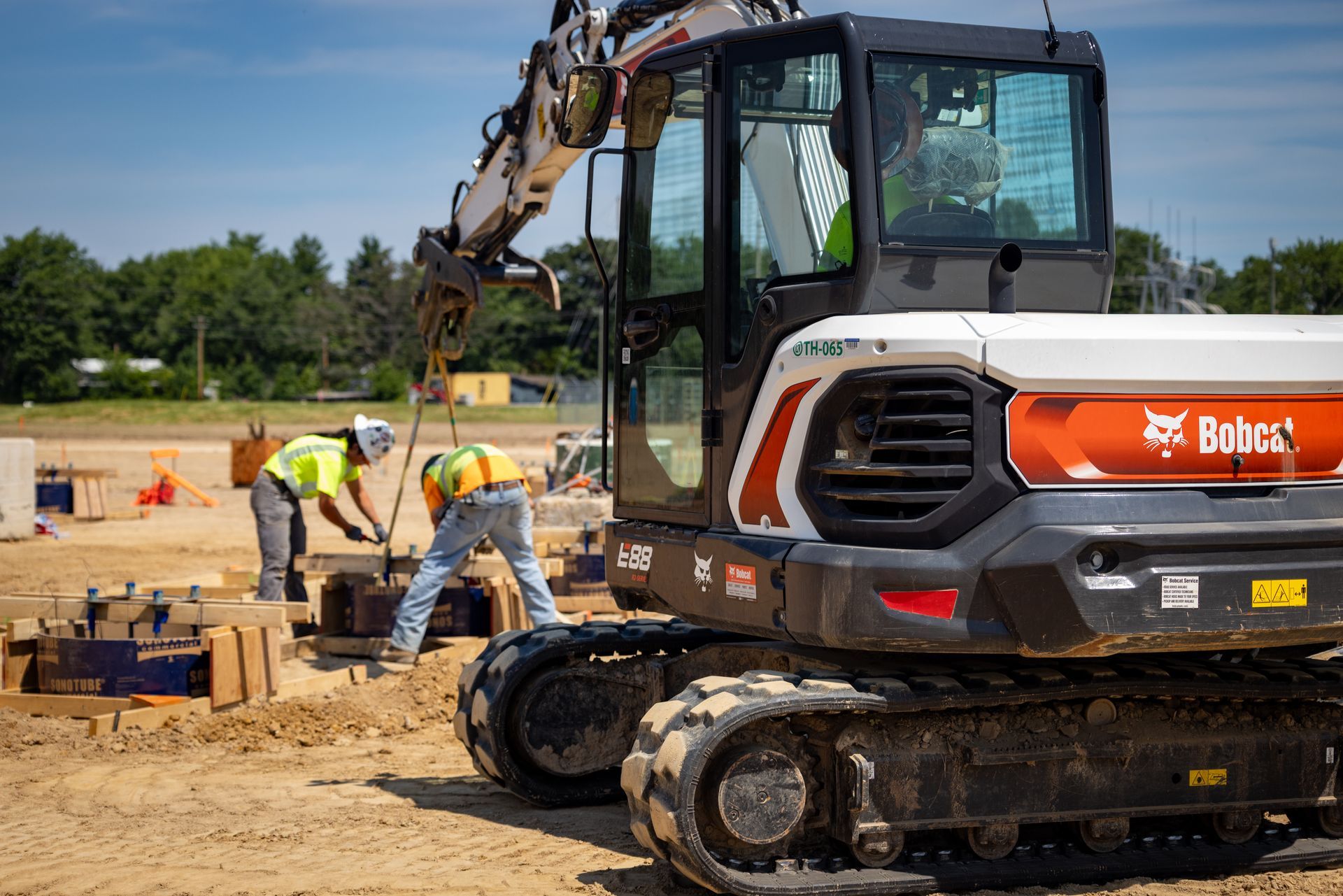
Why Do Some Construction Companies Self-Perform Their Work?
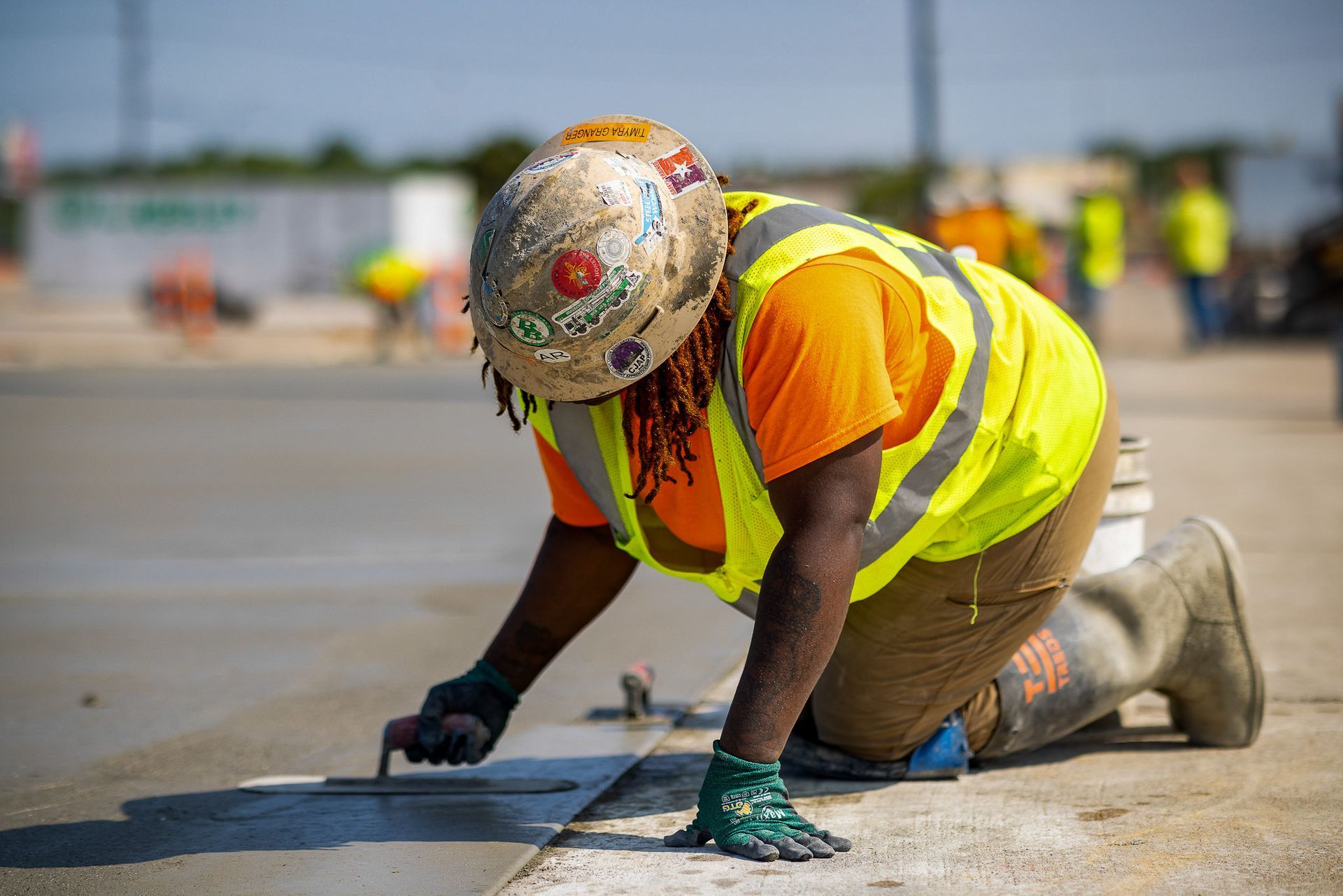
What Does Self-Perform Construction Mean?
Self-perform construction means a contractor uses its own workforce to complete certain scopes of work rather than subcontracting everything to outside firms. These self perform construction projects may span multiple trades and phases.
Self-performed scopes may include:
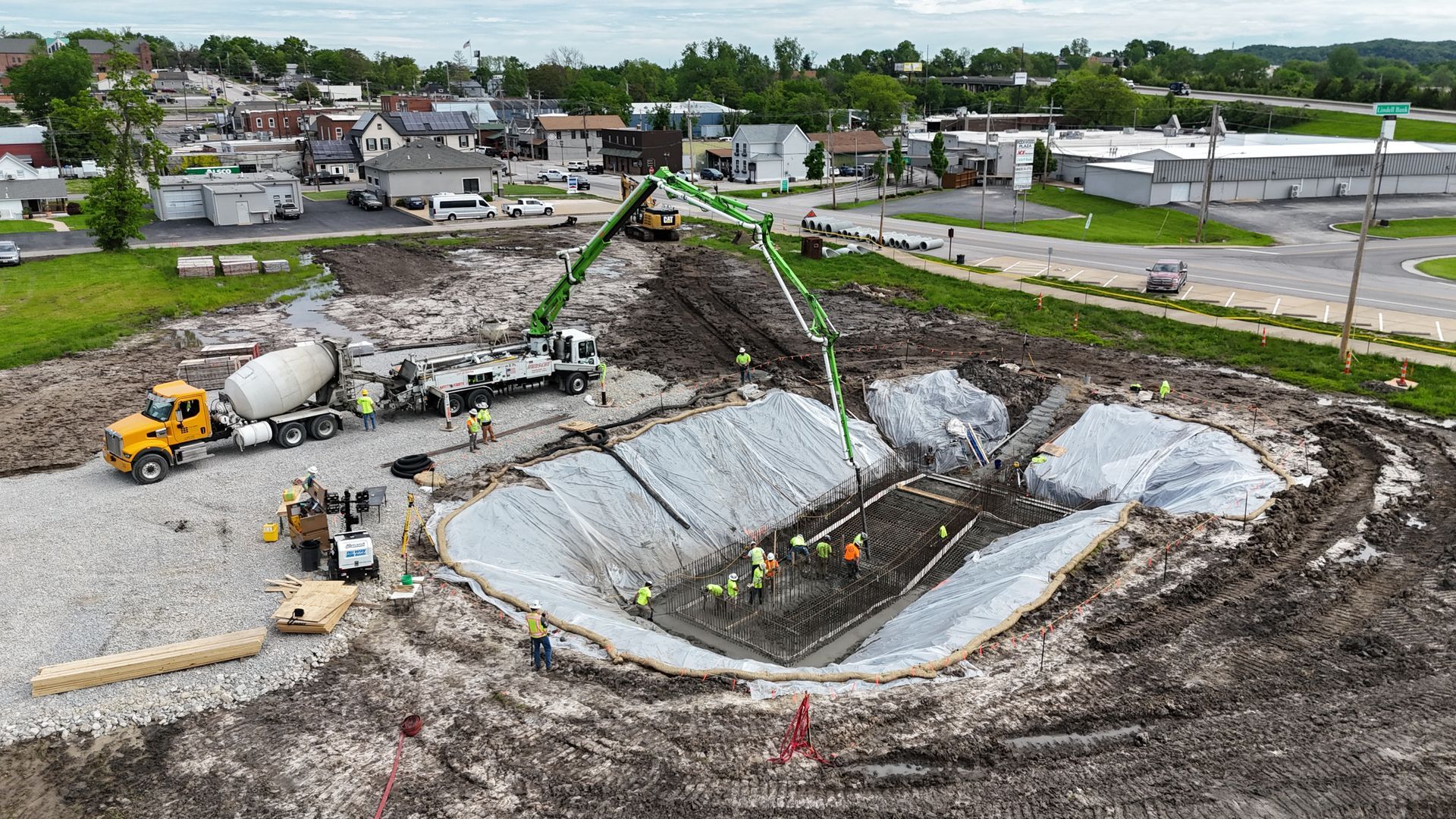
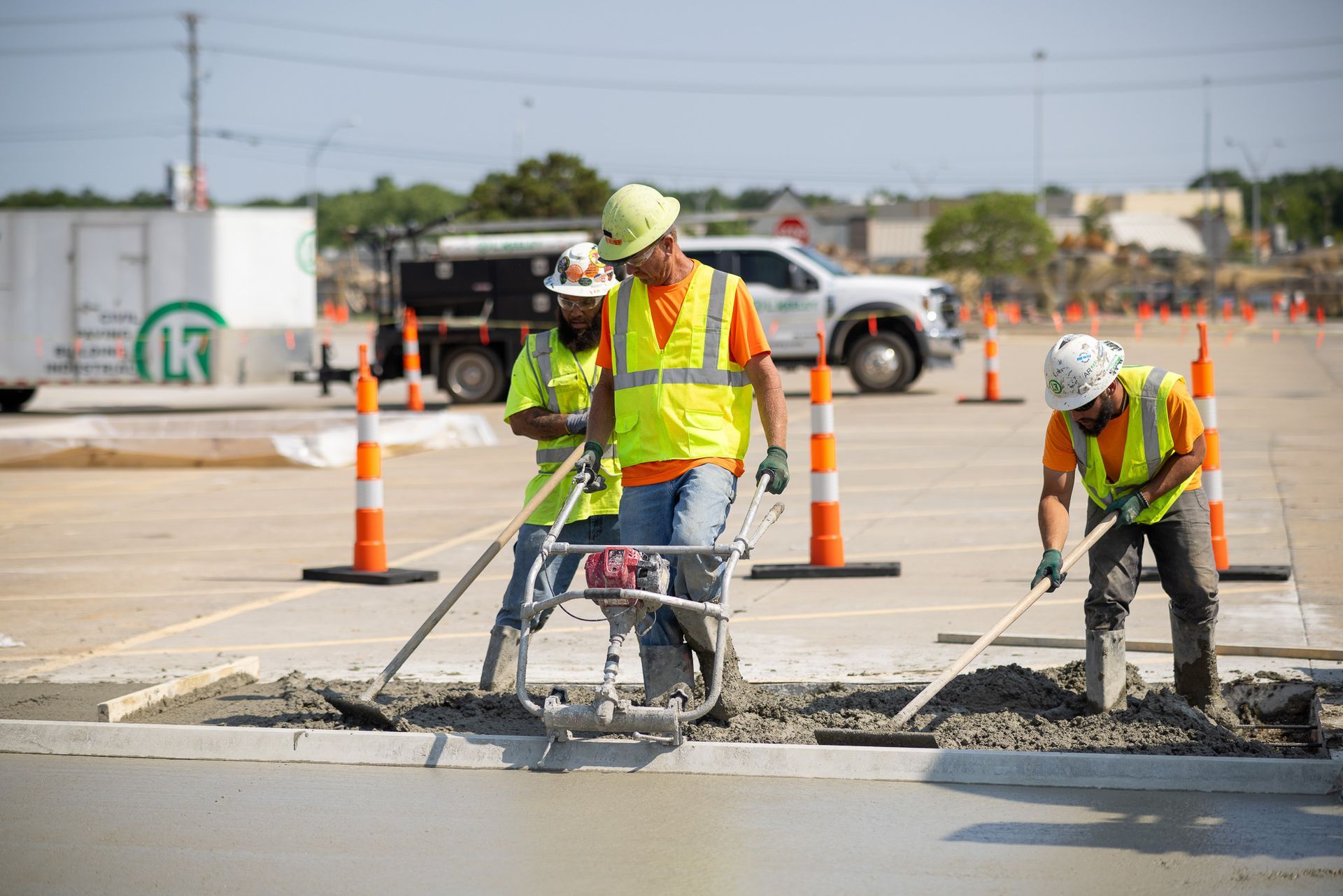
- Concrete work (including extensive self perform concrete work)
- Earthwork and grading
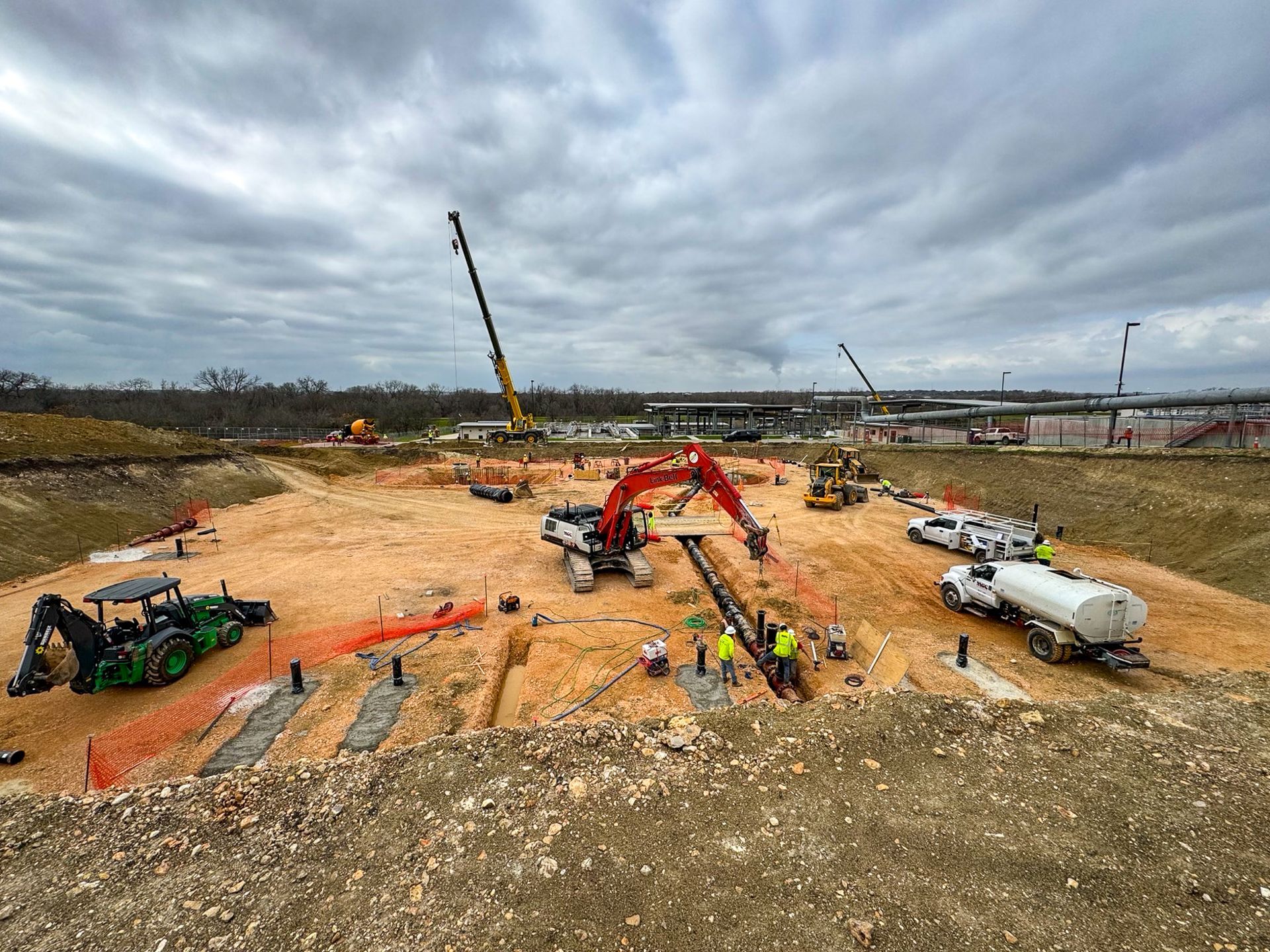
- Underground utilities
- Civil construction
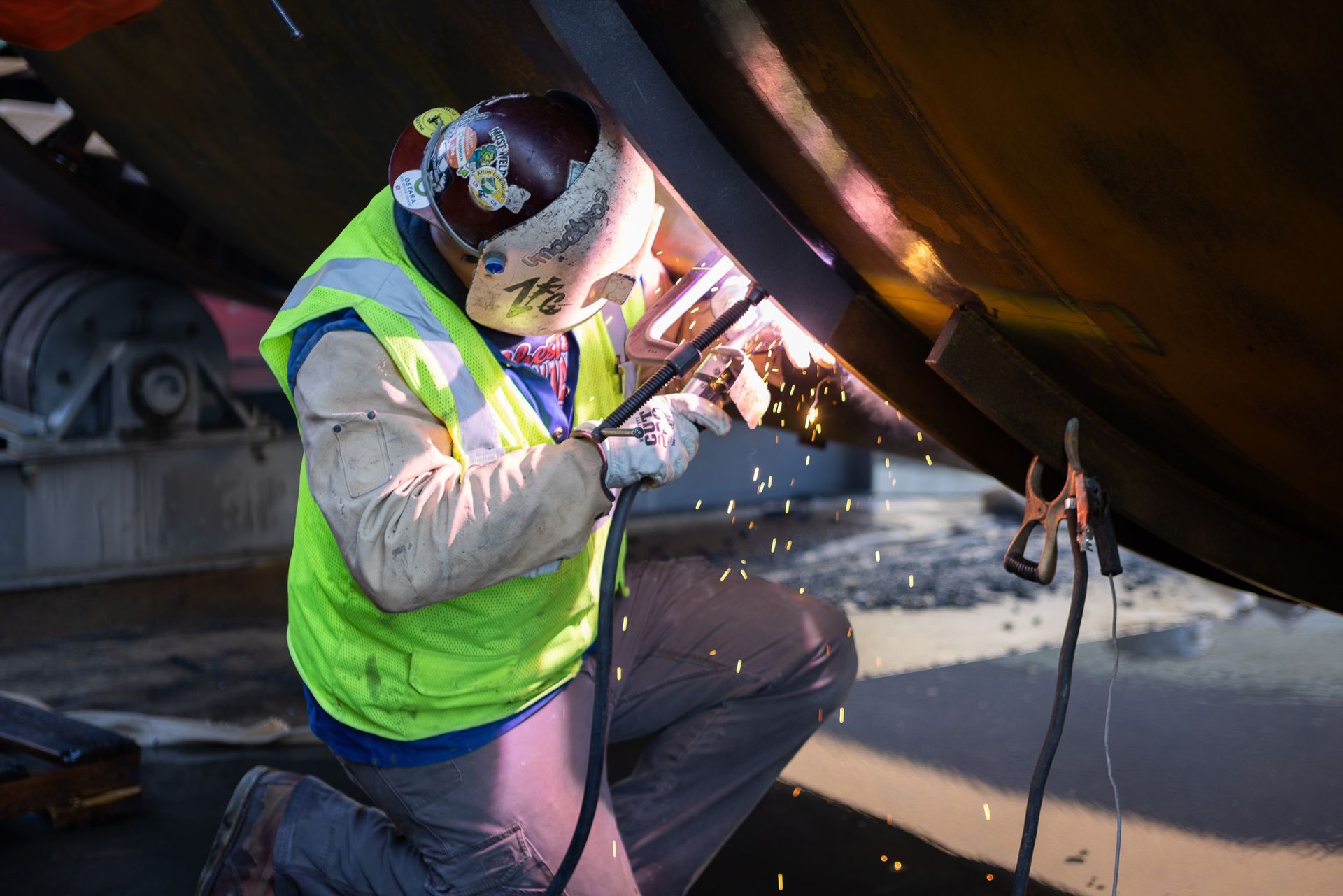
- Structural work
- Mechanical installation
- Electrical systems
- Process piping
- Utility infrastructure
Some contractors self-perform only select scopes, while others maintain large in-house craft and field operations focused on self-perform construction and repeatable self perform construction projects.
Why Do Construction Companies Self-Perform Work?
There are several reasons contractors choose to self-perform portions of a project and act as a self performing contractor.
Greater Control Over Scheduling
One of the biggest advantages of self-perform work is increased schedule control.
When contractors manage their own crews directly, they may have greater flexibility to:
- Adjust sequencing
- Respond to site conditions
- Reallocate labor resources
- Accelerate critical path activities
This can become especially valuable on schedule-driven self perform construction projects or active operational facilities.
Improved Quality Control
Self-performing contractors often maintain direct oversight of workmanship, training standards, and field execution.
This may help:
- Improve consistency
- Reduce rework
- Maintain construction standards
- Improve coordination between scopes
For technically complex infrastructure projects, quality control can significantly affect long-term performance, especially in self perform concrete work and other critical path activities.
Stronger Safety Oversight
Contractors with self-perform teams often implement company-wide safety programs across their workforce.
Direct oversight may support:
- Standardized safety procedures
- Workforce training
- Site accountability
- Faster communication in the field
Because infrastructure and industrial projects frequently involve high-risk environments, safety coordination becomes especially important when a self performing contractor manages multiple crews.
Better Coordination Across Project Scopes
Large construction projects often involve multiple trades working simultaneously.
Self-perform capabilities can help improve coordination between:
- Civil crews
- Structural teams
- Mechanical installation
- Electrical systems
- Utility infrastructure
Integrated field coordination may help reduce delays and improve productivity across self perform construction projects.
Specialized Expertise
Some contractors self-perform work because they maintain specialized expertise in certain construction disciplines.
Examples may include:
- Heavy civil construction
- Industrial process systems
- Utility infrastructure
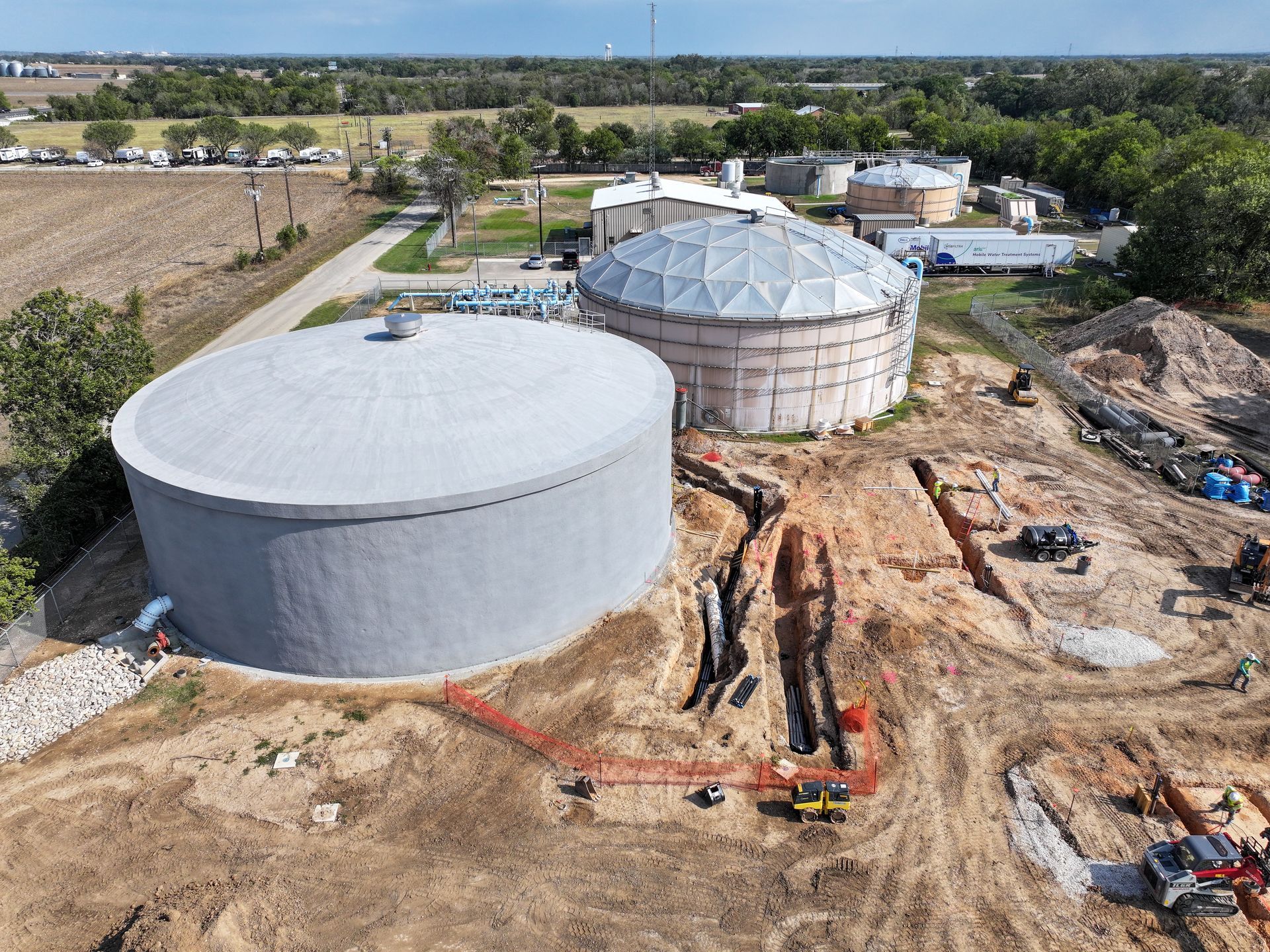
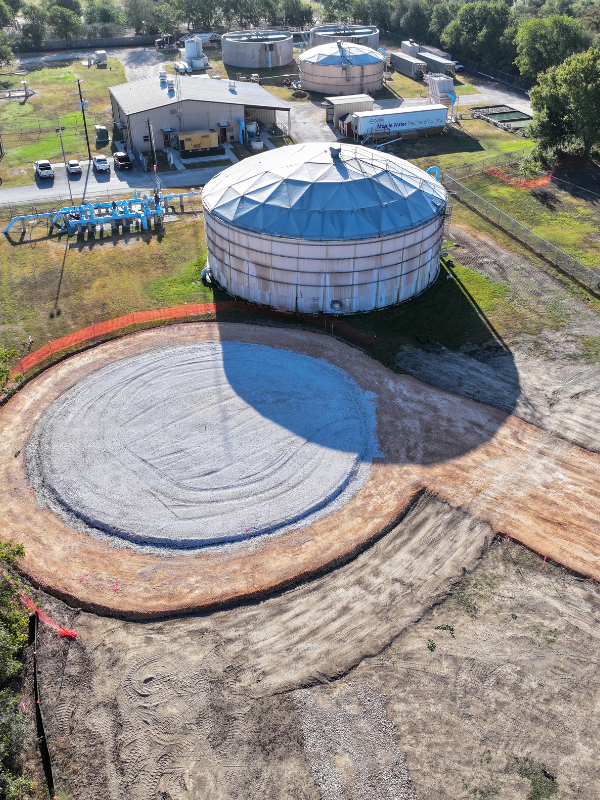
- Water treatment facilities
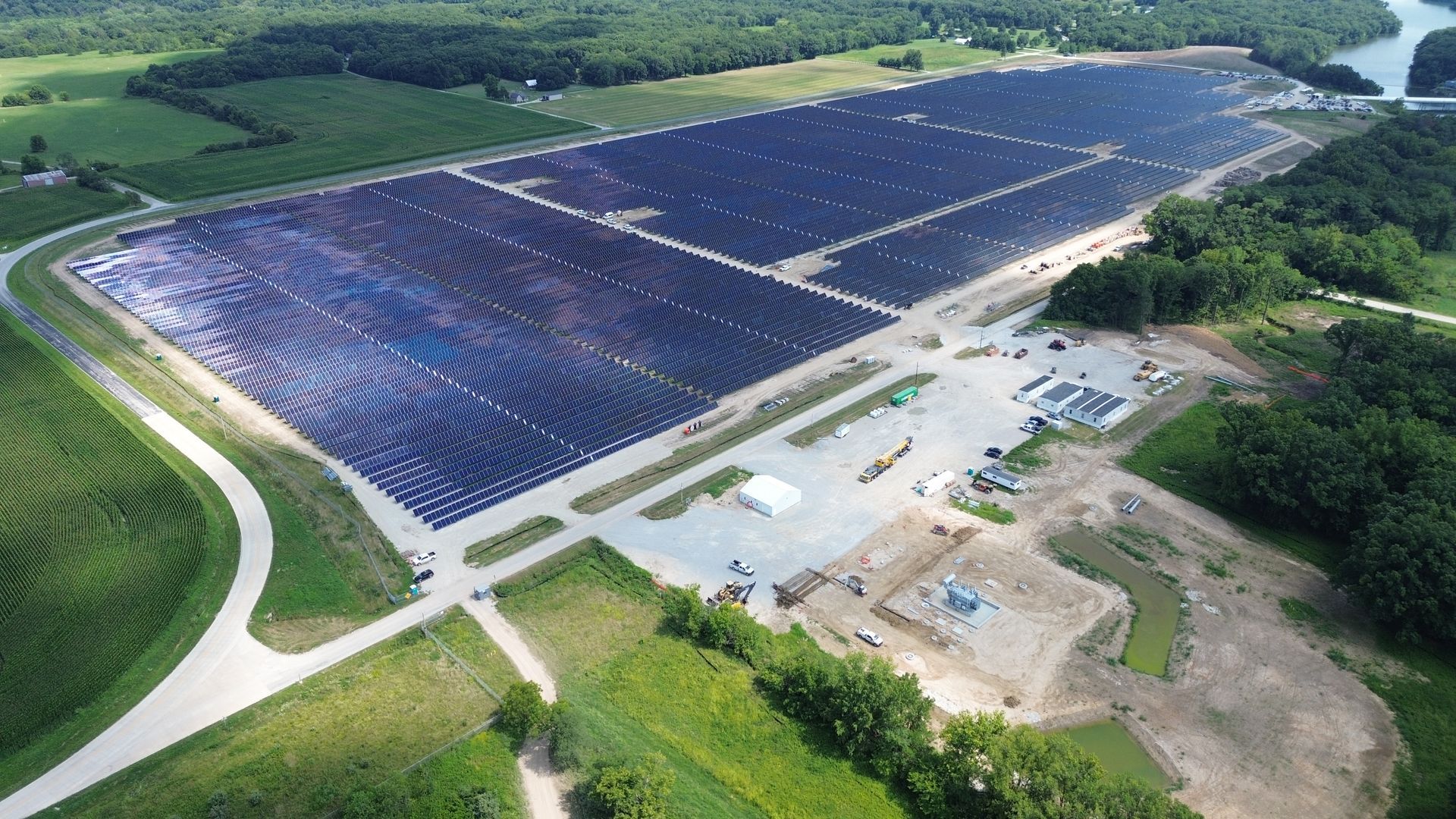
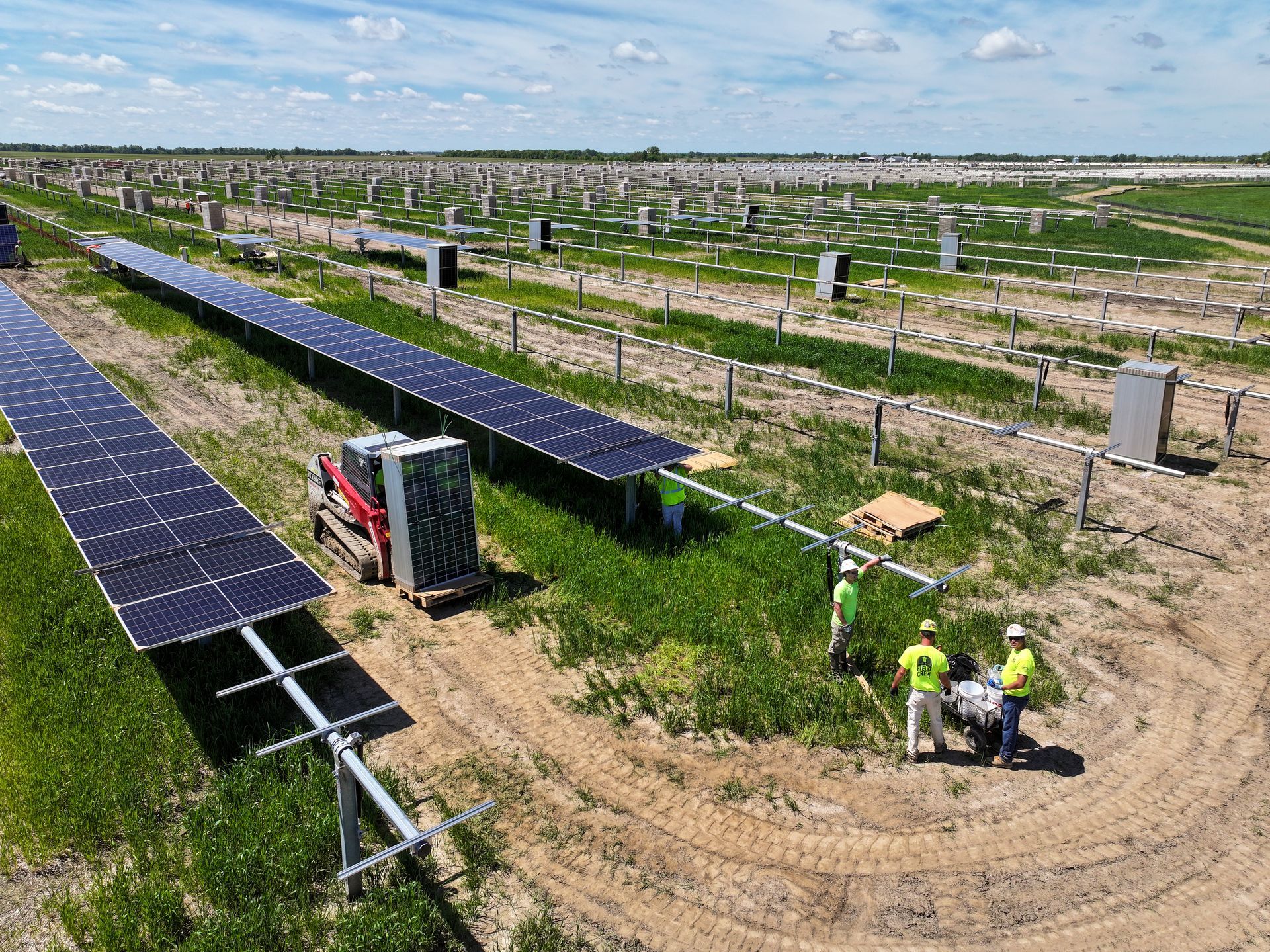
- Renewable energy infrastructure
Specialized teams may be better equipped to manage technically demanding scopes, including self perform concrete work and precision structural systems.
Industries Where Self-Perform Construction Is Common
Self-perform capabilities are frequently used in:
- Heavy civil construction
- Water and wastewater treatment
- Industrial facilities
- Renewable energy projects
- Utility infrastructure
- Transportation projects
- Manufacturing facilities
Projects involving complex infrastructure or tight sequencing often benefit from stronger field coordination by a self performing contractor.
Are There Benefits for Project Owners?
Owners may benefit from self-perform construction through:
- Improved project coordination
- Greater schedule flexibility
- Enhanced quality oversight
- Reduced subcontractor dependency
- More direct communication with field teams
However, project delivery still depends heavily on the contractor’s experience, workforce management, and operational approach on self perform construction projects.
Why Self-Perform Construction Continues to Grow
As infrastructure and industrial projects become more technically complex, many contractors continue investing in self-perform capabilities to improve coordination, quality, and project execution. Owners increasingly evaluate these capabilities—especially in areas like self perform concrete work—when selecting construction partners for energy, utility, manufacturing, and civil infrastructure projects.
Successful projects often depend not only on design and planning, but also on how effectively work is executed in the field. Self-perform construction remains one strategy contractors use to strengthen that execution from start to finish, and a self performing contractor can bring added control and predictability across key phases.